New to the Space Coast? How to Find a Doctor Before You Need One
By Steve Bunker, CEO, Target Patients MD // September 13, 2026
Brevard County gains new residents every month — and the best time to find a physician, dentist, or specialist is before an urgent reason forces the choice
People move to the Space Coast for the obvious reasons — the beaches, the space program, the weather, the fact that a dollar still stretches further here than in South Florida. What almost nobody puts on the moving checklist, somewhere below “transfer utilities” and “find a vet,” is finding a doctor. It stays off the list until a Sunday night when a child spikes a fever, a prescription runs out with no local provider to renew it, or a nagging symptom finally demands attention, and the search happens in a hurry, under stress, with no basis for choosing beyond whoever appears first.
There is a better way to do it, and it costs nothing but a little attention during a calmer week. Choosing a physician before you need one is one of those small pieces of settling-in that quietly pays off for years, and it is worth treating with the same care you would give to choosing a neighborhood or a school.
Start before the emergency, not during it
The single most useful thing a newcomer can do is make the choice while nothing is wrong. A person selecting a primary care physician on a quiet Tuesday can read reviews, check which insurance plans a practice accepts, confirm they are taking new patients, and even book a brief meet-the-practice visit. The same person choosing at 9 p.m. during a health scare takes whoever can be reached, which is not the same as whoever is best. Establishing care in advance also means that when something does go wrong, you are calling an office that already has your history rather than starting cold with a stranger.
This matters more in a fast-growing county than in a settled one. Brevard’s population keeps climbing, and a good share of that growth is retirees and young families — exactly the people who need reliable primary and specialty care and who arrive without an established relationship. Practices here know it, and the better ones have made themselves easy to find and easy to start with. The trick is knowing how to look.
Where to actually look
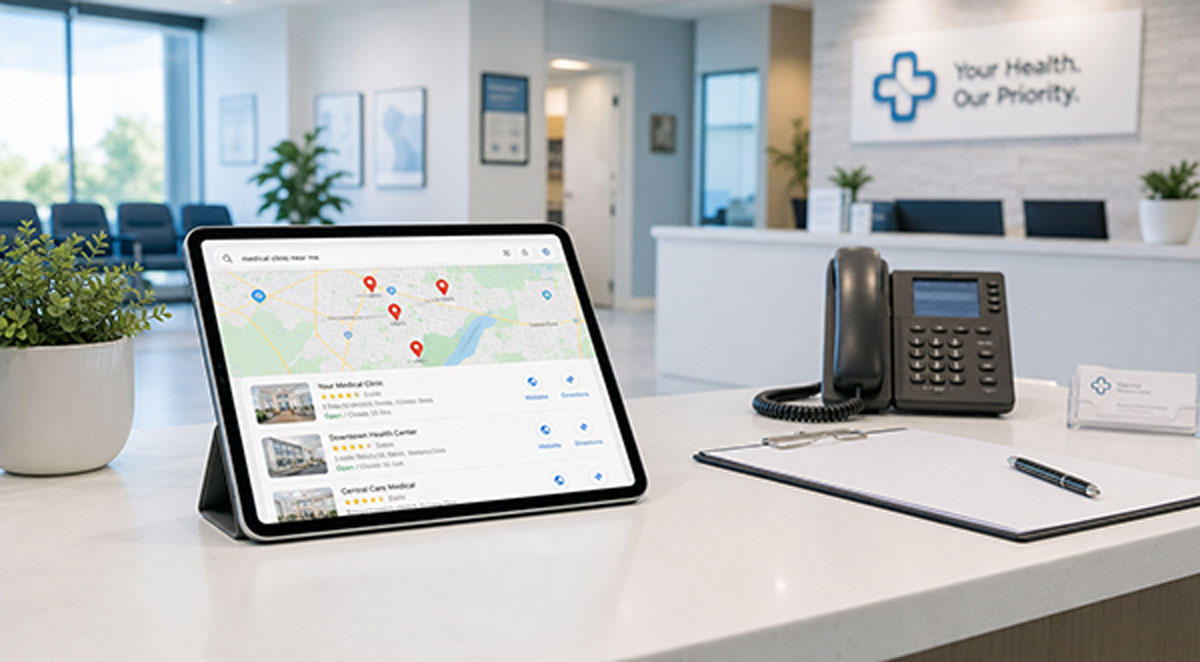
The instinct is to type the specialty and the town into a search engine and pick from the top of the list, and that is a reasonable start — but it rewards the practices best at being found, which is not automatically the same as the practices best at care. A few extra minutes separates the two. Read past the star rating to the substance of the reviews: recent ones, whether the office responds to complaints, and whether patients describe being seen on time and listened to. Check the practice’s own website for the plain facts a newcomer needs — which plans they accept written out in text rather than buried in a PDF, whether they are accepting new patients, how far out the next appointment runs, and which hospital they admit to, which matters more than people realize until it doesn’t.
It is worth understanding why some good local practices are hard to find and some mediocre ones are easy. The practices that show up when you search are usually the ones that have done the work of finding a local doctor online from the patient’s side — keeping their listings accurate, their hours current, their services spelled out in the words a patient would actually type. That visibility is a signal worth reading, but only a partial one. A practice invisible online may simply be an older office that has never needed to advertise because its schedule fills by word of mouth. So use the search to build a short list, then verify each name the old-fashioned way: a phone call, a look at the reviews, a question to a neighbor.
Ask the people already here
Brevard is still a place where word of mouth works, and newcomers underuse it. The neighbor who has lived here fifteen years knows which pediatric practice actually answers the phone and which cardiology group is worth the drive to Melbourne. Community groups — the neighborhood forums, the newcomer pages, the church or club you join — are full of people who have already solved the problem you are facing and are usually glad to share. A recommendation from someone who has been a patient for years tells you things no review can: whether the practice stays good after the first visit, whether the front desk remembers you, whether the doctor rushes.
Combine the two approaches and you get the best of both. The online search tells you who exists and who is accepting patients; the local relationships tell you who is actually good. Neither alone is enough, and together they turn a stressful gamble into an informed choice.
The specialties worth lining up early
A primary care physician is the anchor, and the one to establish first, because they become the hub that refers you onward to everyone else. But a few others are worth identifying before the need arises. A dentist, because dental pain does not wait and a new patient exam has usually got to happen before any real work can be scheduled. An urgent care or walk-in clinic you trust, for the after-hours problems that are not quite emergencies. And, depending on your age and history, whichever specialist you already know you will need — a cardiologist, an endocrinologist, an ophthalmologist — because the good ones book out, and getting on their calendar as an established patient beats trying to get in urgently later.
None of this takes long. An afternoon of reading, a couple of phone calls, one or two new-patient visits scheduled over a month, and the job is done — usually well before the Sunday night when you would otherwise have been searching in a panic. For a place as easy to settle into as the Space Coast, it is one of the few pieces of moving-in work that genuinely rewards doing early, and one of the easiest to put off until it is too late to do calmly.
About the author
Steve Bunker is the CEO of Target Patients MD, a healthcare-exclusive digital marketing agency that has worked with more than 735 medical and dental practices across the United States and Canada.