Practical Examples of the Use of AR and VR in the Entertainment Industry
By Space Coast Daily // November 8, 2022
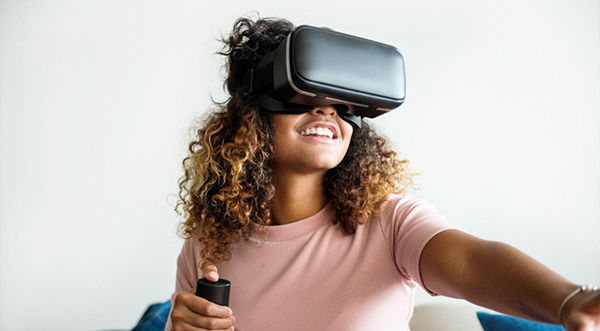
Today, the growth of augmented reality (AR) and virtual reality (VR) is evident. It is gaining popularity day by day and is becoming an integral part of our lives.
A large number of industries are experiencing the adoption of AR/VR, including travel, sports, education, healthcare, retail and logistics, media and entertainment, and more. In this post, we are going to describe how AR and VR reflect the entertainment sector.
How augmented and virtual reality are being used in the entertainment industry
The most prominent example of the use of AR/VR in the entertainment industry is probably XD (3D, 4D, 5D, 7D, 9D) movies, live casinos and cinemas. However, the use of AR/VR is much wider than that. Let’s take a look at the top entertainment niches where these technologies can be successfully applied.
Theatre
Over 66% of people are more likely to visit immersive or interactive theater than traditional theater. Immersive performance allows the audience to participate in the action. It makes the process more interesting and fun. Consider the New York show “Sleep No More”, which was a great success. So, AR / VR is a very promising direction in creating theatrical productions.
Museums and art galleries
The use of AR and VR technologies in museums and galleries is not a new trend, but an increasing trend.
Virtual and augmented reality can make exhibitions interactive, interesting and useful. Many world-famous museums and galleries have already created AR/VR applications to attract more visitors. Some have it on the agenda, but some are still wondering if it’s worth it.
Whether you need to create a museum tour, or make exhibits more interactive, or put objects in context and show their true scale, we’re here to help you bring AR/VR technology to your institution, exhibition, collection, or whatever.
Music shows, games and concerts
Although concerts using AR/VR are still in the experimental stage, like those used by bands such as Maroon5, Eminem, Coldplay, U2, Imagine Dragons and many others. It is inevitable that this technology will become an integral part of the most live performances. Thanks to AR and VR, such concerts have become incredible and unforgettable. Many music lovers are willing to pay extra for watching VR performances and concert shows.
Live casino players got the opportunity to join a real game. With the help of VR glasses, you can take a seat at a real table and chat with the dealer during the live casino game.
Sports
To improve the experience and attract fans, the sports industry should consider implementing AR and VR. VR technologies allow live sports events to be broadcast in 360 degrees. It provides an immersive experience for sports fans from all over the world.
AR technology allows sports experts and fans to receive real-time information about the stadium, tennis court, golf course, etc. Such information may include the speed and trajectory of the ball, weather parameters, the player’s biography and track record.
Definitely, AR / VR technology cannot replace the emotions of real viewers during the game, but it can be a good alternative for many.
Conclusion
AR and VR technologies seem to bring huge benefits to various areas of the entertainment industry, from theaters and museums to football matches and music concerts. Business owners looking to reach new audiences and improve their interactions should consider integrating AR/VR.