Living with Autism as an Older Adult: Challenges and Resilience
By Space Coast Daily // February 13, 2024
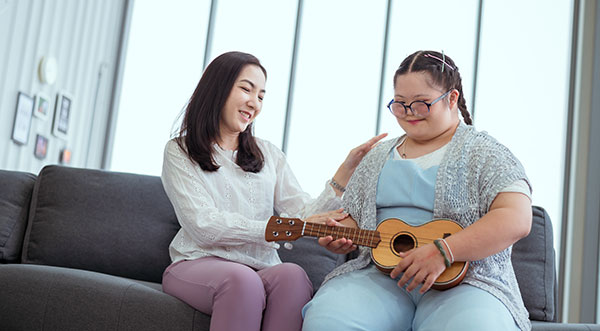
Autism spectrum disorder (ASD) is often associated with childhood. While early intervention and support are crucial, it’s essential to recognize that individuals with autism continue to grow and face unique challenges as they age into adulthood and later life.
This blog will explore the experiences of older adults living with autism, the challenges they may encounter, and the resilience they exhibit in navigating a world that may not always understand their needs.
Understanding Autism in Older Adults
Autism is a lifelong condition, and as individuals with autism age, they may experience changes in their life circumstances, support networks, and health. It’s important to recognize that the core characteristics of autism, such as differences in social communication and behavior, persist throughout a person’s lifetime. It is always better to have an early diagnosis, but if you feel that you may have autism now that more is known about it, you can always get an autism assessment test from a specialist company like Autism360.
Challenges Faced by Older Adults with Autism
Age-Related Health Issues
Like all older adults, individuals with autism are at risk of age-related health issues. However, they may face unique challenges in accessing healthcare services, communicating their needs, and tolerating sensory aspects of medical environments.
Financial and Housing Challenges
Financial stability and housing can be significant concerns for older adults with autism. Limited job opportunities and income sources can make it challenging to maintain independent living arrangements.
Resilience and Strengths
Despite the challenges they face, older adults with autism exhibit remarkable resilience and strengths that should be acknowledged and celebrated:
Expertise and Passion
Many older adults with autism have developed expertise and passions in specific areas. These interests can provide a source of fulfillment and purpose in their lives.
Supportive Relationships
Though social connections may change over time, many older adults with autism maintain supportive relationships with family members, friends, or caregivers who understand and appreciate their unique qualities.
Promoting Well-Being in Older Adults with Autism
To support the well-being of older adults with autism, it’s crucial to consider the following strategies:
Education and Awareness
Educate healthcare providers, caregivers, and the community about the needs and characteristics of older adults with autism. Increased awareness can lead to more inclusive and understanding environments.
Accessible Healthcare
Ensure that healthcare services are accessible and accommodating for older adults with autism. Sensory-friendly waiting rooms, clear communication, and understanding healthcare professionals can make a significant difference.
Social Engagement
Promote social engagement opportunities for older adults with autism. Supportive social groups, community activities, and recreational programs can help combat social isolation.
Conclusion
Living with autism as an older adult comes with its share of challenges, but it also highlights the remarkable resilience and strengths of individuals who have navigated a world that may not always understand their needs. By recognizing the unique experiences of older adults with autism, promoting awareness and understanding, and providing targeted support, you can help ensure that they continue to lead fulfilling and meaningful lives as they age.