Needle Kits: Exploring Their Many Uses
By Space Coast Daily // February 28, 2024
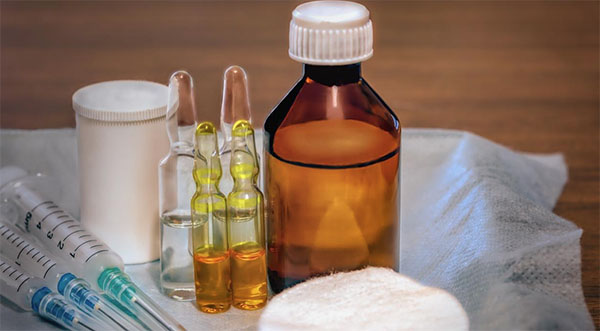
Needle kits are versatile tools that serve a variety of purposes in different settings. These kits at ukmedi.co.uk often contain needles, syringes, and other medical supplies that are essential for administering medication or performing medical procedures.
They are commonly used in hospitals, clinics, and other medical facilities, but they can also be found in first aid kits and emergency preparedness kits.
One of the most common uses of needle kits is for administering injections or vaccinations. They can also be used for drawing blood or other bodily fluids for diagnostic purposes. In emergency situations, needle kits can be used to administer life-saving medications, such as epinephrine for severe allergic reactions or naloxone for opioid overdoses.
In addition to medical settings, needle kits can also be used for crafting and other hobbies. Felting needles, for example, are used to create felted wool sculptures and other decorative items. Overall, needle kits are versatile tools that are essential for a variety of purposes, from medical procedures to artistic pursuits.
Types and Sizes of Needles
When it comes to needle kits, there are various types and sizes of needles available in the market. These needles are designed to serve specific purposes and are used for different medical procedures. Here are some of the common types of needles:
Hypodermic Needles
Hypodermic needles are used for injecting fluids into the body or for extracting fluids from the body. These needles are commonly used for administering vaccines, medications, and other fluids. Hypodermic needles come in different sizes and gauges. The gauge of the needle refers to the thickness of the needle. The UK size ranges from 7 to 34, while the US size ranges from 18 to 34. The length of the needle varies from 0.5 inches to 3 inches, depending on the purpose of the injection.
Suture Needles
Suture needles are used for stitching wounds or incisions. These needles are curved and have a sharp point. The size of the suture needle is determined by the diameter of the thread that is used for stitching. Suture needles come in different sizes and shapes, such as straight, curved, and half-curved needles.
Butterfly Needles
Butterfly needles are used for drawing blood or for injecting medications into the veins. These needles have a small gauge and are designed to cause minimal pain. Butterfly needles are also known as winged infusion sets. They are available in different sizes, with the most common size being 23 gauge.
Blood Collection Needles
Blood collection needles are used for collecting blood samples for testing. These needles are available in different sizes and gauges, depending on the type of test that is being conducted. The most common size of blood collection needle is 21 gauge.
Medical and Emergency Applications
Needle kits are an essential tool for medical and emergency applications. They are used for a variety of procedures, including injections, medication delivery, venipuncture, blood sampling, surgical procedures, emergency vaccinations, and dental emergencies.
Injections and Medication Delivery
Needle kits are commonly used for administering injections and delivering medication. The length of the needle required depends on its intended use. Longer needles over ½” are more commonly used for intramuscular injections, whilst shorter needles, less than ½”, are more commonly used for intravenous (into the vein) injections. Needle kits also come with different gauges, which determine the thickness of the needle. Thicker needles are used for thicker fluids, such as viscous medications.
Venipuncture and Blood Sampling
Venipuncture is the process of puncturing a vein to draw blood or inject fluids. Needle kits are used for this purpose, and the choice of needle depends on the size of the vein and the procedure being performed. Smaller veins require smaller needles, while larger veins require larger needles.
Surgical Procedures
Needle kits are also used for surgical procedures, such as suturing wounds. Surgical needles are typically larger and thicker than those used for injections and venipuncture. They are designed to penetrate tough tissue and are often curved or angled to allow for easier maneuvering.
Emergency Vaccination
Needle kits are also used for emergency vaccination, such as during an outbreak of a contagious disease. In these cases, it is essential to have a sterile needle kit on hand to prevent the spread of infection.
Safety and Risks
When using needle kits, it is crucial to take necessary precautions to prevent infections, and needlestick injuries, and ensure safe disposal practices. Here are some guidelines to follow:
Preventing Infections
Infections are a significant risk when using needle kits. It is essential to use sterile needles and follow proper sterilization techniques to prevent infections. The Centers for Disease Control and Prevention (CDC) recommends using a new needle for each injection and using sterile needles for each patient.
Needlestick Injuries
Needlestick injuries can be dangerous and can lead to the transmission of bloodborne pathogens such as HIV and hepatitis B and C. To prevent needlestick injuries, it is essential to wear personal protective equipment (PPE) such as gloves and eye protection. Additionally, it is crucial to dispose of needles safely and not recap or bend needles after use.
Safe Disposal Practices
Safe disposal practices are necessary to prevent the spread of infections and needlestick injuries. It is essential to dispose of needles in puncture-resistant containers that are labeled as biohazardous waste. These containers should be sealed and disposed of according to local regulations.

Conclusion: Needle Kits Around the World
Supply and Accessibility
Needle kits are essential medical devices used in various settings worldwide. In the UK and the US, needle kits are readily available in pharmacies and health centres. However, in remote places, access to these kits may be limited, leading to increased health risks for people who inject drugs.
To address this issue, suppliers have developed innovative ways to reach out to people in remote areas. For instance, some suppliers use mobile clinics to provide needle kits and other medical devices to people in remote areas. Additionally, some suppliers have developed online platforms that allow people to order needle kits and have them delivered to their doorstep.
Cultural and Legal Considerations
Cultural and legal considerations are crucial when it comes to the use of needle kits. In some cultures, the use of needle kits is frowned upon, leading to increased health risks for people who inject drugs. To address this issue, healthcare providers need to engage with people from different cultures to understand their beliefs and attitudes toward needle kits.
Legal considerations also play a significant role in the use of needle kits. In some countries, the possession of needle kits is illegal, leading to increased health risks for people who inject drugs. To address this issue, healthcare providers need to work closely with governments to develop policies that support the use of needle kits as a harm reduction strategy