Assessing Energy Use: Improve Efficiency at Home
By Space Coast Daily // September 20, 2024
Have you ever wondered how much energy you use and where you could cut back? It’s not just about saving money on your utility bills; it’s about making smarter choices for a sustainable future.
In this text, I’ll guide you through the steps to assess your energy use and uncover improvement opportunities.
What is a Home Energy Audit?
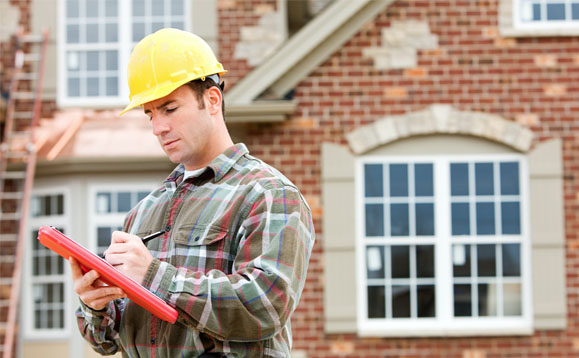
A home energy audit identifies energy inefficiencies in houses. Professional auditors assess insulation, heating, cooling systems, and appliances. They often use tools like blower doors and infrared cameras. Once, I had an audit, and they found poor insulation in my attic, leading to significant savings after I fixed it.
- Insulation Inspection: Checking walls, basements, and attics.
- HVAC Evaluation: Examining heating and cooling systems.
- Appliance Analysis: Reviewing the efficiency of refrigerators, ovens, and washing machines.
Audits promote long-term savings and sustainable homes by pinpointing improvement areas.
Steps in a Professional Home Energy Audit
A home energy audit identifies areas for improvement in energy efficiency. By detailing specific steps, homeowners can achieve more sustainable homes.
Initial Assessment
An energy audit begins with an initial assessment to determine how the home uses energy. The auditor examines utility bills, checks for drafts, and studies the home’s layout, which helps spot obvious inefficiencies right away. For instance, when I had an initial assessment done, the auditor quickly noticed drafts around my windows and suggested sealing them.
Blower Door Test
The blower door test measures how airtight your home is. The auditor sets up a powerful fan to pressurize or depressurize the house, revealing leaks and drafts. When I had this test, the fan made an obvious pressure change, highlighting spots where outside air was getting in.
Thermographic Scans
Thermographic scans use infrared cameras to visualize heat loss in walls, ceilings, and floors. The scanner displays hot and cold spots, illustrating where insulation may be lacking. When I saw the scans, it was clear which rooms were bleeding warmth, especially around the older windows.
Inspection of Heating, Cooling, and Insulation
The auditor inspects heating and cooling systems and insulation quality. They check HVAC efficiency and look for inconsistent insulation. During my audit, the inspector found that my attic insulation was insufficient and that my HVAC filters needed replacement to boost efficiency.
Each of these steps adds valuable insights into creating more sustainable homes by pinpointing areas of improvement that can lead to significant energy savings.
DIY Home Energy Audit Tips
Conducting a home energy audit can reveal energy inefficiencies and help create a more sustainable home. The following tips will help you identify issues and improve energy use.
Identifying Air Leaks
Check for air leaks in windows, doors, and walls. Use your hand to feel for drafts around these areas—seal leaks with weatherstripping or caulking. Inspect ductwork for any visible gaps or openings, and use duct tape or mastic sealant to fix them. I found significant air leaks around my basement windows, and sealing them noticeably reduced my heating bill. Look for:
- Windows and door frames
- Baseboards and electrical outlets
- Attic hatches and dryer vents
Inspecting Insulation
Examine the insulation in your attic, walls, and basement. Inadequate insulation causes heat loss and increases energy bills. Measure the insulation thickness and compare it to the recommended R-values for your region. Add more insulation where necessary. When I added insulation to my attic, it made my home much warmer during winter. Check these places:
- Attic floors and walls
- Exterior walls and floors above unheated spaces
- Around HVAC ducts and pipes
Applying these DIY tips can help create a more energy-efficient, sustainable home.
Benefits of Conducting a Home Energy Audit
A home energy audit presents numerous benefits that can transform your living space into a more efficient and comfortable environment. Below are the primary advantages, explained in detail.
Cost Savings
Performing a home energy audit significantly reduces utility bills. You can carry out targeted improvements by pinpointing areas where energy is wasted, such as poor insulation, air leaks, or outdated appliances. Lower energy consumption translates directly into savings.
Improved Comfort
Eliminating drafts, ensuring proper insulation, and optimizing heating and cooling systems enhance indoor comfort. For instance, after sealing drafts around windows and doors, I noticed an immediate improvement in the warmth and even heating throughout my home.
Increased Home Value
Energy-efficient upgrades can boost your home’s market value. Potential buyers often seek homes with lower ongoing costs. Energy-efficient features like modern HVAC systems or Energy Star appliances are attractive during property evaluations, potentially increasing your home’s resale value.
A home energy audit uncovers these improvement opportunities, leading to a more valuable, comfortable, and cost-effective living space. This is a significant step towards more sustainable homes.
Recommended Energy Efficiency Upgrades
Upgrading your home can significantly cut energy costs and create a more sustainable living environment. Here are some recommended improvements to consider.
Sealing Air Leaks
Address air leaks to make your home more energy-efficient. Check for gaps around windows, doors, and electrical outlets. Use weatherstripping for doors and caulk for windows. In my experience, sealing leaks around window frames reduced my heating bill by 15%.
Upgrading Insulation
Enhance insulation in your home to maintain temperature. If the current level of insulation is inadequate, add insulation to attics, basements, and walls. According to the U.S. Department of Energy, proper insulation can reduce heating and cooling costs by up to 20%.
Replacing Inefficient Appliances
Swap out old appliances for energy-efficient models. Look for ENERGY STAR-rated products that consume less energy. For instance, switching to an ENERGY STAR refrigerator can save about $80 annually in energy costs. New appliances contribute significantly to creating sustainable homes.
Conclusion
Assessing your home’s energy use doesn’t have to be daunting—it can be a fun and rewarding way to make your home more efficient. By sealing leaks, upgrading insulation, and replacing outdated appliances, you’ll save money and contribute to a greener future. So, why not start your energy-saving journey today? You’ll feel great knowing you’re making a positive impact!