What is Freight on Board (FOB)? A Comprehensive Guide for Cargo Shipping Companies
By Space Coast Daily // October 11, 2024
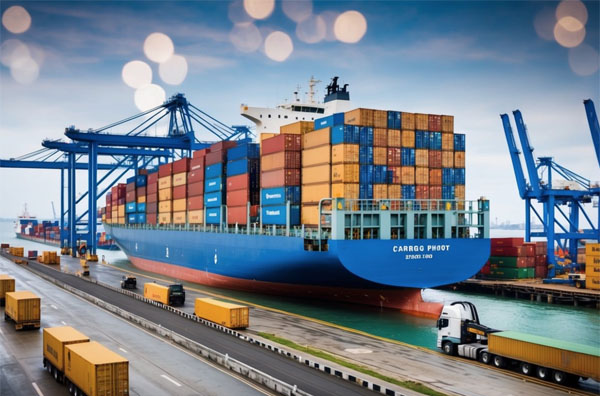
Freight on Board (FOB) is a crucial term in the world of cargo shipping, defining who is responsible for the goods at various points during transit. It specifies the point at which the seller transfers ownership of the goods to the buyer.
This can significantly impact costs, liabilities, and obligations for both parties involved.
For cargo shipping companies, understanding FOB is essential. It influences how contracts are negotiated and how risks and costs are allocated. By comprehending FOB terms, companies can better manage their logistics and operational strategies, ensuring smoother and more efficient transactions.
Learning about FOB terms can also help prevent misunderstandings and disputes. It’s an integral part of shipping documentation and international trade agreements. Knowing when and where the responsibility shifts can safeguard both the seller and buyer, making operations more predictable and transparent.
Understanding Freight on Board (FOB)
Freight on Board (FOB) is a critical term for cargo shipping companies, directly impacting cost, responsibility, and risk during transportation. It’s essential to grasp its definitions and legal nuances within international commercial law to avoid costly missteps.
Definition and Origin of FOB
Freight on Board (FOB) designates the point at which the ownership and liability of goods transfer from the seller to the buyer. This term originated from maritime trade, traditionally linked with the shipping industry.
In an FOB arrangement, the seller fulfills their obligation once goods have passed the ship’s rail; from this point, the buyer assumes all risks. Understanding the specifics of FOB can prevent misunderstandings in shipping agreements. Clear terms like FOB Origin and FOB Destination are commonly used to indicate where these changes in responsibility occur.
Legal Implications of FOB Terms
FOB terms carry significant legal implications that cargo shipping companies must carefully consider. In an FOB Origin scenario, the buyer takes ownership at the seller’s location, covering transportation and insurance costs.
For FOB Destination, the seller maintains liability until the goods reach the buyer’s location, thus covering shipping and insurance. International commercial law stipulates that these terms be clearly defined in contracts to avoid disputes. Incorrectly interpreting FOB terms can lead to unintended financial and legal repercussions, making familiarity with these provisions crucial for successful cargo shipping operations.
FOB Shipping Point vs. FOB Destination
FOB Shipping Point and FOB Destination are key terms in cargo shipping, determining when ownership and risk transfer. They also affect cost distribution and specific responsibilities of buyers and sellers.
Risk Transfer and Ownership
In FOB Shipping Point, the buyer assumes risk and title once the goods leave the seller’s facility. This means the buyer is responsible for any damage during transit. For FOB Destination, the seller retains risk until the cargo reaches the buyer’s location. This distinction is crucial for risk management and impacts insurance considerations. Understanding these terms helps avoid disputes about who bears the risk of loss during shipping.
Cost Implications
Under FOB Shipping Point, the buyer covers shipping costs starting from the seller’s warehouse. Shipping and handling fees become the buyer’s responsibility, affecting cost accounting. Conversely, FOB Destination places the shipping costs on the seller, with the seller covering expenses until delivery. These terms help clarify who pays what, making cost distribution transparent. Misinterpretation of these terms can lead to unexpected expenses and budget discrepancies.
Buyer and Seller Responsibilities
In FOB Shipping Point, the seller’s obligation ends once goods are shipped. The buyer handles all aspects of transportation and claims. For FOB Destination, the seller must ensure safe delivery to the buyer’s location, arranging logistics and handling. These responsibilities affect logistics planning and contractual terms. Different scenarios may require different FOB terms, so understanding these responsibilities helps both parties align their plans and avoid conflicts.
Role of Air Shipping Forwarders in FOB Agreements
Air shipping forwarders play crucial roles in logistics and supply chain management. Their expertise ensures seamless coordination and accurate documentation, which are critical for successful FOB agreements.
Selecting the Right Air Forwarder
Selecting an air shipping forwarder is critical for efficient logistics. Key considerations include experience, network capabilities, and compliance with regulations. A reliable forwarder should have a strong reputation and proven track record in handling air cargo.
Logistics teams must examine the forwarder’s network to ensure they can manage routes and cargo effectively. Certification and adherence to international cargo security standards are also essential. Effective communication and transparent pricing structures help avoid misunderstandings and unexpected costs.
Coordination and Documentation
Coordination involves detailed planning and execution. The air shipping forwarder liaises with exporters, importers, and customs agents, ensuring all parties are aligned. Proper coordination minimizes delays and avoids logistical bottlenecks.
Documentation is equally essential. The forwarder manages key documents like the Bill of Lading, Commercial Invoice, and Packing List. Accurate documentation ensures compliance with customs regulations and smooth customs clearance. Regular updates and tracking services keep all stakeholders informed of the shipment’s status.
Best Practices for Cargo Shipping Companies
Strategic planning, regulatory compliance, and operational efficiency are crucial for cargo shipping companies to manage costs, mitigate risks, and enhance supply chain performance effectively.
Negotiating FOB Contracts
Cargo shipping companies should focus on clearly outlining responsibilities in FOB contracts. Precise terms about who handles transportation costs and risks need to be stated explicitly. Companies should negotiate insurance coverage diligently, ensuring they understand when liability transfers from the seller to the buyer.
Including detailed clauses about potential delays and their impact can help avoid disputes. Regularly reviewing and updating contracts is essential to keep up with changing laws and market conditions.
Ensuring Compliance and Reducing Risks
Adhering to regulatory requirements is crucial to avoid penalties and delays. Cargo shipping companies must stay updated on international shipping regulations, including customs documentation, tariffs, and environmental standards.
Implementing comprehensive risk management strategies is essential. This can involve regular audits, employee training programs on compliance policies, and using advanced tracking systems to monitor shipments in real-time. Insisting on compliance certification from all involved parties further reduces risks.
Improving Supply Chain Efficiency
Operational efficiency in supply chains can be achieved through automation and integration. Utilizing advanced logistics software that offers real-time tracking and data analytics helps in streamlining operations. Companies should invest in technologies like blockchain for secure and transparent tracking.
Strategically planning routes and consolidating shipments can lead to significant cost savings. Periodic review of logistical processes and vendor performance is critical for continuous improvement. Employing just-in-time inventory practices can also help reduce storage costs and improve cash flow.