How a Personal Injury Attorney Can Prove Negligence When Multiple Parties Are at Fault in Michigan
By Space Coast Daily // November 6, 2024
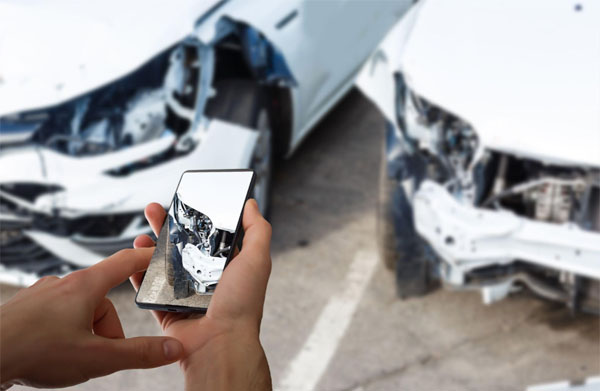
When a personal injury accident involves multiple parties, proving negligence becomes more complicated, especially in Michigan, where comparative negligence laws apply.
In these cases, more than one party may share responsibility for the accident, creating challenges in establishing fault, determining liability, and securing compensation. This complexity requires a clear understanding of the legal nuances, thorough evidence gathering, and expert testimony.
Suppose you’re navigating a multi-party accident claim. In that case, a Grand Rapids truck accident lawyer or a qualified attorney familiar with complex negligence cases can help clarify each party’s responsibility and build a strong case for maximum compensation. Let’s examine personal injury attorneys’ essential steps to establish negligence in multi-party cases.
Understanding Michigan’s Comparative Negligence Law
Michigan follows a “pure comparative negligence” rule, which means each party in an accident can be assigned a percentage of fault. Even if you are partly responsible for an accident, you can still recover damages, but your share of the fault will reduce your compensation.
When multiple parties are involved, personal injury attorneys work to minimize their client’s assigned fault percentage and maximize recovery by presenting clear evidence against other liable parties.
Identifying All Potentially Liable Parties
One of the first steps in a multi-party negligence case is identifying all potentially liable parties. For example, liability may extend beyond the drivers involved in a truck accident. Possible responsible parties could include:
- Truck drivers: If a driver is found speeding, distracted, or violating safety regulations, they may bear a significant portion of the liability.
- Trucking companies: Employers may be liable if they neglected vehicle maintenance, violated hours-of-service regulations, or pressured drivers to work under unsafe conditions.
- Manufacturers: The manufacturer may share responsibility if a faulty part or mechanical failure contributed to the accident.
- Other drivers: In multi-vehicle collisions, additional drivers can be partially liable if their negligence caused or worsened the accident.
Identifying each party’s role is essential for building a solid case. Attorneys gather relevant evidence and carefully review accident reports to pinpoint the actions or inactions of all involved parties.
Collecting and Preserving Evidence
Evidence is crucial in proving fault in a multi-party accident case. A personal injury attorney will employ various methods to collect and preserve evidence, including:
- Accident scene investigation: Photographs, debris patterns, skid marks, and vehicle positions provide critical insights into the cause of the collision.
- Witness statements: Witnesses can deliver valuable perspectives on each party’s actions leading to the accident.
- Surveillance footage: Video from traffic cameras or nearby businesses can show how the accident occurred and indicate negligence by specific parties.
- Black box data: In trucking accidents, electronic logging devices record crucial information such as speed, braking, and hours of service, which may reveal if a driver exceeded legal limits or engaged in reckless behavior.
Preserving this evidence is essential, as trucking companies or insurers may attempt to dispute or modify data that could indicate their liability.
Accident Reconstruction Specialists
Accident reconstruction specialists can provide invaluable insight in cases with multiple parties and conflicting accounts. These experts analyze the accident’s physical evidence to recreate the events leading up to the collision. Their reports can clarify the actions and errors of each involved party, often revealing details not immediately apparent from initial observations.
Accident reconstruction specialists may also testify in court, explaining complex accident dynamics in easily understood ways, which can be pivotal in influencing the outcome of a case.
Establishing Duty of Care and Breach
To prove negligence, an attorney must show that each party had a duty of care and breached that duty, resulting in the accident. For instance:
- Truck drivers must drive their vehicles safely and follow all traffic laws and federal trucking regulations.
- Trucking companies must keep their vehicles properly, enforce safe driving practices, and adhere to legal hours of service requirements.
- Manufacturers must produce safe, defect-free parts that meet quality standards.
If one or more of these parties failed in their duty—whether through distracted driving, poor maintenance, or defective parts—they can be considered negligent.
Dealing with Multiple Insurance Companies
Dealing with several insurance companies in a multi-party accident can complicate the claims process. Each insurer may attempt to minimize its client’s liability, often by shifting blame onto other parties. Attorneys who handle these cases know how to manage communications with multiple insurers and deal on behalf of their clients to guarantee fair compensation offers.
Personal injury attorneys understand the tactics insurers use to reduce payouts and work to counter them by providing evidence that demonstrates their clients’ right to compensation. They also ensure that each liable party’s insurer accounts for damages like medical expenses, lost wages, and pain and suffering.
Pursuing Fair Compensation
In multi-party cases, calculating the appropriate amount of compensation is complex, as each party’s level of responsibility influences the payout. Attorneys work diligently to pursue damages that accurately reflect the accident’s impact on their clients’ lives. Common types of compensation include:
- Medical expenses: Covering both immediate and future healthcare costs.
- Lost income: Reimbursement for lost wages during recovery and reduced earning capacity in cases of long-term injuries.
- Pain and suffering: Settlement for physical pain and emotional trauma caused by the accident.
- Property damage: Refund for repairs or replacement of damaged property.
An attorney will negotiate settlements and, if necessary, advocate in court to secure a fair award that accounts for all relevant factors.
Why Legal Guidance is Essential in Multi-Party Negligence Cases
Proving negligence in a multi-party accident case requires a strategic approach, detailed evidence collection, and expert testimony. With multiple parties, each potentially bearing partial responsibility, navigating these cases without legal guidance can be overwhelming.
Working with an experienced attorney can make all the difference in complex cases involving multiple parties. They handle the legal intricacies and provide the support you need to focus on recovery, giving you peace of mind that your rights are protected.