Integrating Traditional and Digital Marketing for Maximum Impact
By Space Coast Daily // December 30, 2024
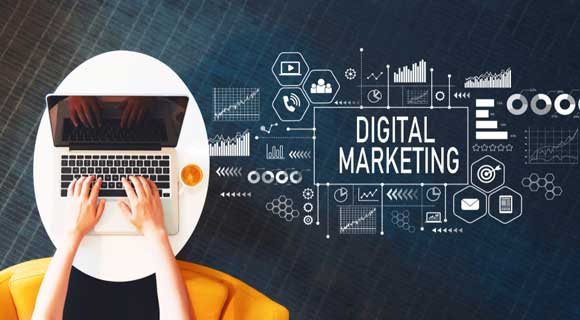
In an era where digital platforms dominate the marketing landscape, traditional marketing still holds significant value for businesses aiming to reach broader and more diverse audiences.
Combining traditional marketing methods—such as print ads, television, and direct mail—with digital strategies like social media campaigns, SEO, and email marketing can create a synergistic effect, maximizing reach, engagement, and ROI.
This article explores the benefits of integrating traditional and digital marketing, outlines strategies for effective integration, and highlights real-world examples of brands successfully leveraging both approaches for maximum impact.
Why Integrate Traditional and Digital Marketing?
While digital marketing has gained prominence due to its cost-effectiveness and measurable results, traditional marketing remains impactful for specific demographics and scenarios. Integrating the two creates a comprehensive marketing strategy that takes advantage of the strengths of each.
1. Broader Reach
Traditional marketing excels in reaching audiences who may not be active online, such as older demographics or local communities. Digital marketing complements this by engaging tech-savvy audiences on platforms like social media, email, and search engines.
2. Multi-Touchpoint Engagement
An integrated approach allows brands to connect with customers across various touchpoints, ensuring consistent messaging and reinforcing brand recall. For instance, a TV ad campaign supported by social media posts and email reminders creates a unified experience.
3. Enhanced Credibility
Traditional marketing channels often carry a sense of credibility and trust. Pairing these with the interactive nature of digital marketing can enhance a brand’s overall reputation.
4. Improved ROI
By leveraging the strengths of both approaches, businesses can optimize their marketing budgets. Traditional marketing can drive brand awareness, while digital strategies ensure precise targeting and measurable conversions.
Key Elements of Traditional and Digital Marketing
Traditional Marketing
- Channels: TV, radio, newspapers, magazines, billboards, and direct mail.
- Strengths: Broad reach, high visibility, and strong local presence.
- Limitations: High costs and limited tracking capabilities.
Digital Marketing
- Channels: Websites, social media, email marketing, PPC ads, SEO, and influencer collaborations.
- Strengths: Cost-effective, targeted, interactive, and highly measurable.
- Limitations: May struggle to reach offline audiences.
Strategies for Integrating Traditional and Digital Marketing
1. Create a Unified Brand Message
Why It’s Important
Consistency across all channels strengthens brand identity and ensures customers recognize your messaging, regardless of the platform.
How to Implement
- Develop a comprehensive branding guide that includes tone, visuals, and messaging.
- Use consistent slogans, logos, and color schemes across both traditional and digital campaigns.
- Align campaigns in timing and purpose, such as launching a TV commercial and a social media campaign simultaneously.
2. Use Traditional Channels to Drive Digital Engagement
Why It’s Important
Traditional marketing can act as a gateway to digital channels, increasing online traffic and engagement.
How to Implement
- Include QR codes in print ads or on billboards to direct customers to your website or app.
- Encourage viewers of TV or radio ads to follow your brand on social media or sign up for newsletters.
- Feature website URLs or social media handles prominently in offline materials.
Example: A restaurant might use a direct mail campaign to promote a special offer and include a QR code that takes recipients to an online reservation system or menu.
3. Incorporate Digital Feedback into Traditional Campaigns
Why It’s Important
Digital marketing channels provide rich data and insights that can inform and optimize traditional campaigns.
How to Implement
- Analyze digital ad performance to identify which messages resonate most with your audience, then apply those insights to print or TV ads.
- Use social media polls or feedback to determine the themes or visuals for upcoming traditional campaigns.
- Test concepts online before rolling them out on traditional platforms.
Example: A clothing brand might run A/B tests on social media ads to see which colors or designs perform best, then feature the winning options in a billboard campaign.
The Role of a Sourcing Agent in Marketing Integration
When pulling off a seamless marketing campaign, having the right materials can make all the difference. That’s where sourcing agents like East West Basics come in. They specialize in helping businesses create high-quality promotional items, custom packaging, and other essentials that tie together both traditional and digital marketing efforts. They take the hassle out of the process by handling everything from supplier management to quality checks and logistics. This means marketing teams can focus on crafting great campaigns, knowing the physical elements—like direct mailers or branded merchandise—will arrive on time and look perfect. It’s all about making sure the message stays consistent and the execution stays smooth.
4. Leverage Digital Analytics to Track Traditional Campaigns
Why It’s Important
Tracking the effectiveness of traditional campaigns has traditionally been challenging. Digital tools make it easier to measure ROI.
How to Implement
- Assign unique URLs, discount codes, or phone numbers to traditional ads, making it easier to track leads generated from those channels.
- Use geotargeted digital campaigns to coincide with local traditional campaigns, such as radio ads or community events.
- Monitor website traffic and search trends during a traditional campaign to gauge impact.
Example: A fitness center running a radio ad might include a unique code for a free trial that customers can redeem online, allowing them to measure the campaign’s effectiveness.
Insights from CISO Events
Attending CISO events gives marketing leaders insights into securing customer data and building trust. These insights are crucial when integrating traditional and digital marketing strategies, ensuring compliance with data privacy standards across both channels.
5. Combine Storytelling Across Channels
Why It’s Important
Storytelling captures attention and creates emotional connections. Integrating traditional and digital platforms amplifies the reach of a compelling narrative.
How to Implement
- Launch a storytelling campaign on TV or print that directs viewers to an extended version or interactive experience online.
- Use social media to provide behind-the-scenes content related to a traditional campaign.
- Create hashtags that encourage audiences to discuss and share the campaign across digital platforms.
Example: A nonprofit might air a TV commercial highlighting its mission and direct viewers to its website to watch detailed stories of beneficiaries or donate online.
The Value of Partnering with a Marketing Agency in NYC
Collaborating with a marketing agency in NYC ensures expertise in creating cohesive campaigns that blend traditional and digital strategies. Agencies bring local market insights and cutting-edge tools to deliver impactful results across platforms.
Measuring the Impact of Integrated Campaigns
To evaluate the success of an integrated strategy, track the following metrics:
- Brand Awareness: Monitor increases in web traffic, social media followers, or search engine mentions during and after traditional campaigns.
- Engagement Rates: Measure interactions like clicks, likes, shares, and comments on digital channels tied to traditional efforts.
- Conversion Rates: Analyze the effectiveness of CTAs in driving sales, sign-ups, or other desired actions.
- ROI: Compare the cost of integrated campaigns to the revenue or leads they generate.
Real-World Success Stories
1. Coca-Cola’s “Share a Coke” Campaign
Coca-Cola used personalized bottles (traditional marketing) alongside a robust digital campaign encouraging users to share photos of their bottles on social media. The result was a massive boost in brand engagement and sales.
2. Nike’s “Just Do It” Anniversary Campaign
Nike combined TV ads with social media hashtags and influencer collaborations, generating global conversations and a significant increase in online sales.
3. IKEA’s Catalog and App Integration
IKEA’s print catalogs included QR codes and app links that allowed users to view 3D models of furniture in their homes, blending offline and online experiences seamlessly.
Conclusion
Integrating traditional and digital marketing is essential for creating impactful campaigns that reach diverse audiences, build trust, and drive measurable results. By combining the wide reach and credibility of traditional channels with the precision and interactivity of digital strategies, businesses can achieve a harmonious balance that maximizes their marketing potential.
With careful planning, consistent messaging, and strategic use of analytics, organizations can navigate the complexities of today’s marketing landscape and create campaigns that leave a lasting impression.