2025 Website Trends: Exploring the Future of Digital Design
By Space Coast Daily // March 14, 2025
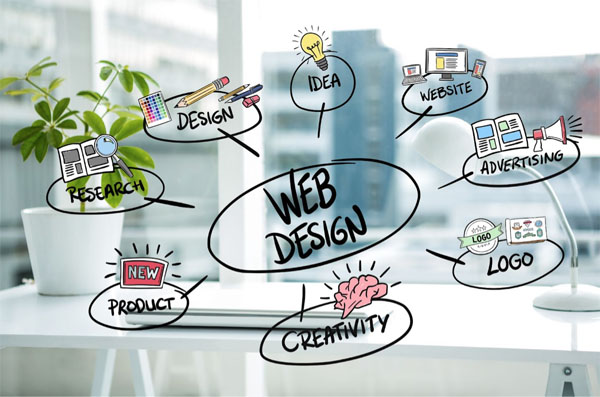
The digital world is evolving toward 2025 while experiencing quick technology advancements and evolving user needs.
Businesses and designers must keep pace with present-day web design patterns because they lead to interface development that offers engagement and durability. This report presents the main website design patterns that will lead the industry in 2025 while exploring the shape of digital design.
A great example of this in action is charity web design agency, which focuses on creating modern, visually compelling websites tailored for non-profit organizations, ensuring their online presence is both effective and mission-driven.
Digital design evolution goes beyond visual improvement because it focuses on user-friendly interfaces, functional optimization, and technology compatibility. Understanding these market trends will result in substantial benefits for business organizations striving to increase their online presence.
Small interface changes such as color adjustments during button hovers combined with subtle animations to confirm actions will enhance the user experience with delight. Users depend on these interactive elements for guidance as well as for receiving feedback. Insights from marvin user research, an AI research repository focused on human-centered design, further emphasize the value of these micro-interactions in creating seamless digital experiences.
The Rise of Immersive Experiences
Digital platforms experience a transformation because immersive experiences change the way users interact with them. Businesses use their ability to create engaging interactive environments to capture user attention and retain it better than past techniques ever enabled.
Augmented Reality (AR) and Virtual Reality (VR) Integration
AR and VR technologies create revolutionary changes in the manner people connect with websites. Digital experiences that merge virtual with reality will become prevalent across websites during 2025 because brands will adopt immersive activities including interactive demos and virtual tours for storytelling purposes.
Through these technologies, businesses attain the ability to develop tailored experiences that stick in users’ minds. The advent of AR and VR technology will lead to a complete redesign of web platforms because of their ability to create virtual try-ons for online stores and immersive educational environments.
3D Elements and Animations
Three-dimensional graphics with animations have gained increasing popularity since they create web designs that feature added depth and realistic details. Web elements used for enhancement drive user engagement while improving the visual appearance and interactivity of web pages.
Through the use of current-year 3D design applications designers can design engaging realistic visual content which attracts viewers. This direction better improves looks but simultaneously it delivers better storytelling capabilities for websites.
Minimalism with a Modern Twist
Web design trends maintain minimalism as their main principle through simple designs that emphasize functionality yet continue to dominate the industry. The minimalist design trend of 2025 will increase its character through the integration of striking creative elements that enhance its dynamic qualities.
Clean and Simple Layouts
Ministerial design language will keep advancing as users embrace design elements that feature simple lines and white backgrounds along with simple navigation channels. The design method both improves readability and shows important content stages.
The main objective is to develop user journeys that minimize cognitive strain to provide better satisfaction for users. Designers will establish clear and efficient systems by making each design component serve a specific function.
Bold Typography and Color Schemes
The approach of minimalism differs from bold typography paired with dynamic color combinations that create active website personalities. The implementation of large expressive fonts along with bold color contrasts will be used to achieve memorable visual identities.
The execution of brand identity alongside clean organization becomes achievable through this approach. Bold text alongside distinctive headings and unreasonable color pairings will characterize web pages.
Personalization and User-Centric Design
Leading to successful digital experiences the main requirement is personalized user interactions. Businesses can produce content that personally affects users through their grasp of user preferences and behaviors.
AI-Driven Personalization
Artificial intelligence systems (AI) will function as the fundamental force that customizes website content presentation to match individual user profiles. Customers will experience improved satisfaction and engagement through content that adapts based on their behaviors along with preferences and demographic criteria.
AI processing of data enables algorithms to evaluate needs for custom recommendations and dynamic adaptive content delivery. The personalized approach helps brands create better engagement ties with their audience base.
Micro-Interactions for Enhanced UX
User experiences will benefit from better micro-interactions which are refined small animations linked to user operations. UX effectiveness improves through these details which enable user interface elements to operate more naturally and with rapid responses.
Small interface changes such as color adjustments during button hovers combined with subtle animations to confirm actions will enhance the user experience with delight. Users depend on these interactive elements for guidance as well as for receiving feedback.
Sustainable and Ethical Design Practices
Digital consumption growth has prompted designers to adopt sustainability as their new responsibility. Web design ethics have now become essential because they demonstrate responsibility toward environmental protection and social concerns.
Eco-Friendly Web Design
Environmental awareness keeps rising which will make sustainable web design practices more prominent. Optimized website operations and eco-friendly hosting solutions represent two critical approaches for designers to achieve sustainable web design.
The focus of designers will be on writing efficient code alongside employing lightweight assets and searching for environmentally friendly hosting solutions that lower digital platform environmental impact. Sustainability will play a vital role in all design stages of projects.
Inclusive and Accessible Design
Website accessibility for all users irrespective of their abilities will remain a key focus area. Accessibility guidelines will serve as the basis for designer work while designers must also account for various user requirements to ensure inclusivity.
Appealing interfaces must accomplish more than meet regulations because accessibility means designing equal digital spaces for everyone. Web design must incorporate semantic HTML combined with text alternatives and technology-assistive navigation options.
Advanced Technologies Shaping the Future
Web design capabilities expand each day through the development of new technological advancements. Businesses enable greater response and adaptability in their websites when they incorporate emerging innovations. Partnering with the best website design company in Dubai ensures that businesses stay ahead by leveraging cutting-edge design trends and technologies.
Voice User Interface (VUI)
Voice search and voice-activated interfaces will remain a growing trend in technology because people continue to adopt this technology. Voice-optimized websites will provide customizable interfaces for hands-free navigation and better accessibility services to users with disabilities.
Consistent development of connected devices will establish VUI as a fundamental way to improve how users access functions. The development of voice-friendly navigation systems combined with appropriate content formats represents a priority for designers in the upcoming days.
Progressive Web Apps (PWAs)
PWAs deliver the optimal characteristics from both mobile applications and websites to produce fast reliable user experiences which keep customers engaged. The year 2025 will witness increased business adoption of PWAs for performance and audience expansion.
People can operate these applications across all their devices and benefit from offline functions push alerts and quick application opening speeds. The modern digital world will be defined by PWAs which combine website and mobile application features.
Real-Life Case Study: Airbnb’s Evolution in Digital Design
The web design trends at Airbnb remain ahead of standards to provide better user experiences. Airbnb has combined artificial intelligence technology with personalization to produce search results that adjust according to user reactions during their platform interactions. Virtual tool sets consist of 3D tours for properties which enable future guests to virtually assess accommodation spaces.
Airbnb implements sustainable web practices through site optimization along with performance enhancement and operations that minimize energy usage. Through their advanced technological investments as well as their user-oriented design approach Airbnb maintains its industry leadership in digital competition.
The company’s achievements verify that organizations reach success through a combination of technical innovations with detailed user requirement knowledge. Airbnb maintains top position in web design excellence through its sustained evolution of digital strategy.
Conclusion
Digital design will undergo transformative changes as well as exciting innovations while moving into 2025. Successful businesses together with designers must master the essential trends which include immersive experiences alongside AI-driven personalization along with sustainable practices in addition to advanced technologies. A Dubai website designing company can help businesses stay ahead by implementing these cutting-edge trends to create future-ready digital experiences.
The adoption of upcoming changes allows you to develop websites that fulfill present requirements while comprehending what consumers will need in the future. Objective adaptability combined with user-centricity and open-mindedness leads to success in the continually changing digital world.
FAQs
1. What are the key web design trends for 2025?
The design landscape shows two main directions: users need virtual reality and augmented reality for better experiences together with a minimalist design that uses bold typography and artificial intelligence-powered personalization coupled with sustainable design methods Voice user interfaces and progressive web applications.
2. How can businesses benefit from adopting 2025 web design trends?
The maintenance of current trends allows businesses to achieve better user connections and better website performance and the creation of personalized and accessible digital solutions and future-proof designs.
3. Why is sustainable web design important in 2025?
Web design sustainability helps decrease website-related environmental effects through system performance optimization in addition to selecting earth-friendly hosting alternatives. The practice resonates with rising consumer demands for sustainable business operations.