5 Blockchain Trends Every American Investor Should Know
By Space Coast Daily // May 9, 2025
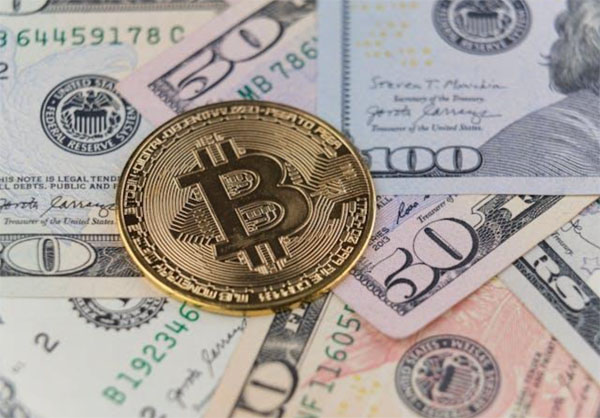
As Florida continues to attract tech innovators and investors, especially along the Space Coast, understanding blockchain trends has never been more critical. Bitcoin was just the beginning; the technology behind it goes far beyond cryptocurrency. Understanding blockchain isn’t optional if you’re looking ahead in crypto. This post explores how Americans and the U.S. government approach blockchain, why it matters, and five key trends reshaping the crypto landscape, particularly for those on or near the Space Coast.
The Current Stance on Blockchain and Cryptocurrency
The current federal government’s stance on cryptocurrency is crystal clear: President Trump wants the U.S. to lead global innovation in blockchain and crypto.
During his campaign, he vowed to make the country the “crypto capital of the world.” While some of his trade policies have drawn criticism, many experts agree he’s taken real steps toward crypto adoption. Early in his term, he signed an executive order calling for “regulatory clarity” to boost U.S. leadership in digital finance and define agency roles in the crypto space.
Importantly, it banned the issuance and use of a Central Bank Digital Currency (CBDC) in the U.S. He also proposed a national bitcoin reserve, signaling that he views bitcoin not just as a speculative asset, but a strategic one. If the U.S. government starts holding bitcoin, it could reshape global finance by increasing demand, boosting credibility, and pressuring institutions to take it seriously.
Crypto adoption is also rising fast among everyday Americans, with 27–28% of adults owning some form. Awareness is high, and people are no longer just curious — they’re buying in and searching for safe, reliable ways to participate.
So, if you’ve been wondering what the next step is or are tired of sitting on the sidelines, most people start with a trusted crypto trading platform. You will gain efficiency in trading, unparalleled access, and a chance to be part of a movement gaining serious momentum.

Trend 1: The Rise of Stablecoins in Enterprise Transactions
Let’s start with the obvious: Traditional cryptocurrencies are known for their volatility, so many people steer clear of them. Stablecoins, however, are different. They’ve been around for a while, offering a much-needed alternative to crypto’s price swings. The first, BitUSD, launched in 2014 on the BitShares blockchain. Since then, hundreds have entered circulation. However, they’re still a trend. These cryptocurrencies are designed to stay steady, usually tied to the U.S. dollar. That means 1 USDT (Tether) or 1 USDC (USD Coin) is intended to equal $1, and historically, they’ve mostly held that value.
Added to all of this is the fact that many people are holding stablecoins, and their adoption is growing fast. They’re the go-to option when markets get unstable, acting as a safe zone in the middle of crypto chaos. More importantly, they’re also the fuel behind a lot of what makes some products of and around the blockchain work, like DeFi protocols, trading platforms, and even cross-border payments, all of which lean heavily on these tokens to keep things moving.
Trend 2: Decentralized Finance (DeFi)
Another significant trend in the blockchain and crypto space is Decentralized Finance, or DeFi. It used to be experimental, but not anymore. What started as a handful of lending apps is now a full-blown financial ecosystem. We’re talking institutional-grade lending protocols, automated yield strategies, and decentralized exchanges running without bank intermediaries. For investors, that means more control, transparency, and the chance to tap into high-efficiency financial tools that traditional systems can’t match.
The shift is in how DeFi is starting to blend with traditional finance. We’re already starting to see real-world assets, stablecoins, and smart contracts working together to create investment opportunities that didn’t exist a few years ago. It’s essentially defining the future of finance.
Trend 3: Meme Coins
Meme coins have been around for a while, and you might know a few of them by now. Generally, they’re speculative, volatile, and driven more by social buzz than anything fundamentally sound. However, that hasn’t stopped them from becoming a real force in crypto. Dogecoin was the first big one, starting as a joke in 2013 and building a massive community. Then came Shiba Inu, with its ecosystem and plans to go beyond meme status through projects like Shibarium. Neither of them is new, and at a glance, they might not seem like a “trend” anymore, but here’s the reality: meme coins have become incredibly easy to create, and as long as social media can drive demand, they’ll keep showing up and shaking up the market.
Trend 4: The Tokens Powering Web3
You’ve probably heard of something called Web3. It’s the idea of a more open, decentralized internet where users actually own their data and interact directly without going through big middlemen like Google or Facebook. It’s still being built, but the foundation has already taken shape — and many of the companies setting up in the Space Coast are betting on this future by getting involved early in the infrastructure that will support it.
Blockchain products, specifically platform and infrastructure tokens like Ethereum (ETH), are the backbone of the Web3 ecosystem. It’s what most decentralized apps run on, and its smart contract system lets these apps operate without a central authority. Others are gaining traction too, like Solana (SOL) and Polkadot (DOT), all of which are pushing to bring the internet of the future (Web3) to us even sooner.
Trend 5: Real-World Assets Are Going Digital
Tokenization has moved way beyond digital art. The same tech behind NFTs is now used for real estate, gaming, and IP rights, turning real-world assets into tradable digital tokens. It means you can now own a piece of something that used to be off-limits to most investors.
With the crypto market projected to hit $5 billion by 2030, much of that growth comes from innovations like this. In places like the Space Coast, where tech is picking up fast, this shift is making ownership more flexible, more accessible, and way more interesting.
Why the Space Coast Needs to Pay Attention Now
Crypto isn’t a passing trend; it’s becoming part of the foundation of modern finance and tech. From stablecoins to tokenized real-world assets, these shifts are reshaping how we invest, trade, and build. And with the Space Coast turning into a serious innovation hub, the smart move is to get informed, get involved, and stay ahead.