Pressure Treated Lumber vs. Gravel Pad For Sheds
By Space Coast Daily // July 25, 2025
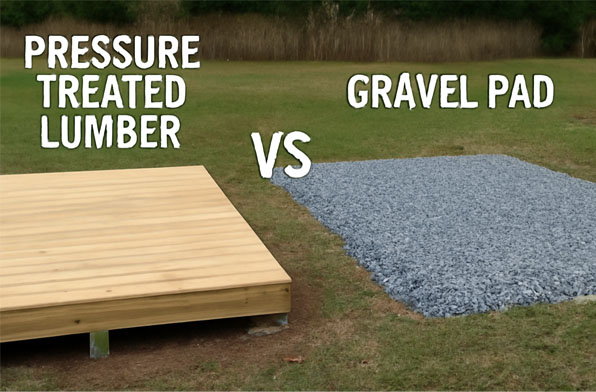
Choosing the right foundation for your storage building represents one of the most critical decisions in shed construction. Two popular options dominate the market: pressure-treated lumber foundations and gravel base systems. Each approach offers distinct advantages and challenges that directly impact your shed’s longevity, cost, and performance. Professional contractors report that foundation choice accounts for 60% of structural problems in outdoor storage buildings, making this decision crucial for long-term success.
Understanding Pressure-Treated Lumber Foundations
Pressure-treated lumber foundations utilize chemically treated wood posts or skids to elevate the shed above ground level. Chemical preservatives penetrate deep into the wood fibers, creating resistance against rot, insects, and moisture damage. Manufacturers typically use copper-based compounds or alkaline copper quaternary (ACQ) treatments to achieve this protection. The pressure treatment process forces preservatives into the wood under high pressure, ensuring chemical penetration reaches the core fibers.
Installation requires precise leveling and proper spacing of treated lumber beams. Professional contractors often recommend 16-inch on-center spacing for optimal weight distribution, though heavy-duty applications may require 12-inch spacing. The elevated design promotes excellent air circulation underneath the structure, preventing moisture accumulation that leads to floor deterioration. Proper ventilation reduces humidity levels by up to 40% compared to ground-level installations.
Key benefits of treated lumber foundations include:
- Superior drainage and ventilation capabilities
- Easy access for maintenance and repairs
- Flexibility for uneven terrain installation
- Lower material costs for smaller sheds
- Quick installation process requiring basic tools
- Adjustable height for varying ground conditions
However, treated lumber foundations face several limitations that impact their long-term viability. Wood naturally expands and contracts with temperature fluctuations, potentially causing structural shifts over time. Even pressure treated materials eventually succumb to weathering, requiring replacement every 15-20 years depending on climate conditions. Areas with high humidity or frequent rainfall experience accelerated deterioration, reducing lifespan to 10-12 years without proper maintenance.
Exploring Gravel Pad Foundation Systems

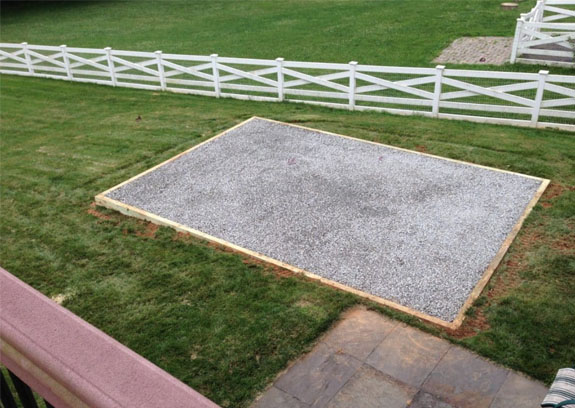
Gravel foundations create a stable, well-draining base using crushed stone or angular gravel materials. Professional site preparation involves excavating 4-6 inches of soil, installing landscape fabric, and compacting multiple layers of graded stone. The result forms a solid, permeable foundation that effectively manages water runoff while providing excellent load-bearing capacity. Properly constructed gravel pads distribute weight evenly across the entire surface, preventing point loads that cause settling.
Proper gravel selection plays a crucial role in foundation performance and determines the system’s effectiveness. Angular crushed stone compacts better than rounded river rock, creating superior stability and interlocking characteristics. Most contractors recommend 3/4-inch minus crushed stone for optimal compaction and drainage characteristics. Professional installation of a pad for a shed requires precise grading to ensure proper water flow away from the structure, typically maintaining a 2% slope in all directions.
Essential components of quality gravel foundations:
- Compacted subgrade preparation with proper soil removal
- Geotextile fabric installation to prevent weed growth
- Proper drainage slope (2% minimum for water management)
- Multiple compaction passes using mechanical equipment
- Edge restraint systems to prevent stone migration
- Graduated stone layers from large to small particles
Gravel foundations excel in wet climates and areas with poor soil drainage, making them ideal for challenging site conditions. The permeable nature prevents water accumulation while maintaining structural stability during freeze-thaw cycles. Professional installation typically costs more initially but provides decades of maintenance-free service. Engineering studies show properly installed gravel foundations resist settling by 95% compared to untreated soil bases.
Cost Analysis and Economic Considerations
Initial investment varies significantly between foundation types, with treated lumber typically costing 30-50% less upfront. Small shed foundations (8×10 feet) using pressure treated lumber range from $150-300, while equivalent gravel foundations cost $400-600. However, lifecycle costs tell a different story when maintenance and replacement expenses factor into calculations.
Treated lumber foundations require ongoing expenses including wood preservatives ($50-75 annually), periodic board replacement ($100-200 every 5-7 years), and structural adjustments. Over 20 years, total ownership costs often exceed gravel foundation expenses by 25-40%. Gravel systems demand higher initial investment but eliminate recurring maintenance costs, providing better long-term value for permanent installations.
Long-term cost factors to consider:
- Material replacement intervals and associated labor
- Maintenance product costs and application frequency
- Structural repair expenses from settling or deterioration
- Permit and inspection fees for major modifications
- Property value impact from foundation choice
- Insurance considerations for different foundation types
Geographic location significantly affects cost calculations, with lumber prices varying by region and local gravel availability impacting stone costs. Northern climates experience higher maintenance costs for wooden foundations due to harsh freeze-thaw cycles, while southern regions face challenges from termite activity and moisture exposure.
Comparing Performance and Durability
Long-term performance varies significantly between these foundation types, with environmental conditions playing a major role. Pressure treated lumber requires regular inspection for signs of deterioration, including checking, splitting, and insect damage. Maintenance involves applying wood preservatives every 2-3 years and replacing damaged components as needed. Failure to maintain proper treatment schedules can reduce foundation lifespan by 50% or more.
Gravel bases demonstrate superior longevity with minimal maintenance requirements when properly installed. Properly installed stone foundations resist settling, frost heaving, and water damage for 30+ years without significant intervention. Occasional releveling or stone addition represents the primary maintenance concern, typically occurring every 8-10 years depending on usage patterns.
Climate considerations heavily influence performance outcomes for both foundation types. High humidity environments accelerate wood deterioration regardless of chemical treatment levels. Coastal areas present additional challenges from salt air exposure, requiring specialized treatments and more frequent maintenance schedules.
Making the Right Choice for Your Project
Site conditions largely determine the optimal foundation choice based on soil type, drainage patterns, and terrain characteristics. Sloped terrain favors treated lumber systems due to their adaptability and ease of leveling without extensive excavation. Flat areas with good drainage accommodate either option effectively, allowing choice based on budget and preference considerations. Wet locations with clay soils benefit significantly from gravel foundations’ superior drainage characteristics and resistance to frost heaving.
Budget constraints often influence decision-making processes, but short-term savings may create long-term expenses. Smaller sheds under 100 square feet may justify treated lumber foundations due to lower material costs and simpler installation requirements. Larger structures benefit from gravel foundations’ enhanced stability and reduced long-term maintenance requirements, especially for buildings exceeding 200 square feet.
Consider your local building codes and permit requirements before finalizing foundation plans, as regulations vary significantly by jurisdiction. Some municipalities mandate specific foundation types for permanent structures or buildings exceeding certain dimensions. Professional consultation ensures compliance with all applicable regulations while optimizing your investment for decades of reliable service and maximum property value enhancement.