Crash Trends Every Garner Driver Should Know
By Space Coast Daily // December 19, 2025
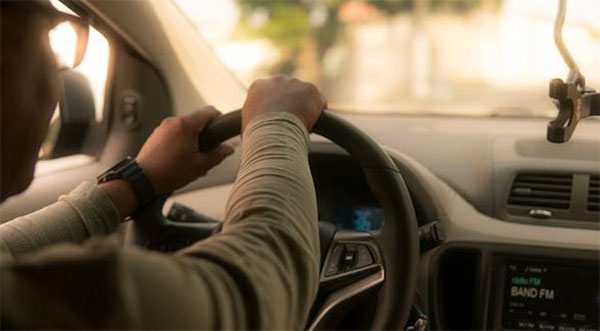
For anyone who lives or commutes through Garner, North Carolina, understanding local driving risks is critical for personal safety. While national driving statistics offer general advice, they often fail to capture the specific, localized hazards created by a fast-growing community transitioning from a rural area to a major commuter hub. Analyzing local accident data reveals dangerous patterns that drivers are likely encountering daily.
These patterns are not random; they are driven by factors unique to the area, such as the convergence of major highways, the influx of inexperienced drivers due to population growth, and the timing of rush hour congestion. Ignoring these statistical truths means putting yourself at a higher risk of collision on your routine errands or commute, often at the most predictable times and places.
The official data provides a clear roadmap to minimizing risk, showing which behaviors lead to the most severe crashes and when drivers need to exercise maximum caution. Staying safe on Garner’s roads starts with recognizing the specifics of local driver behavior and infrastructure. Understanding local Garner car accident statistics is the best defense against becoming the next data point.
Leading Causes of Garner Crashes
When official accident reports are compiled, they consistently point to a few key causes responsible for the majority of crashes in the Garner area. Failing to reduce speed when approaching an intersection or during adverse weather remains a top factor, indicating that drivers frequently travel too fast for the conditions, leading to an inability to stop safely when traffic suddenly slows.
Another major contributor is distraction, which encompasses everything from phone use to in-car arguments or reaching for objects. This lapse in attention leads directly to a spike in rear-end collisions, particularly on congested routes where quick, reactive stops are necessary. Distracted driving turns a simple commute into a potentially catastrophic event in a fraction of a second.
Finally, illegal or unsafe maneuvers, such as aggressive lane changes without signaling or making improper turns, often lead to side-impact or sideswipe crashes, particularly on multi-lane highways. This high frequency of preventable crashes suggests that driver impatience and a lack of defensive driving skills are significant issues that contribute to the town’s overall accident rate.
High-Risk Times and Road Conditions
Accident statistics clearly demonstrate that risk is not uniformly distributed throughout the day or the year. Predictably, the highest risk times align with morning and afternoon rush hours, particularly between 7:00 AM and 9:00 AM, and 4:00 PM and 6:00 PM. During these windows, volume is maximized, leading to driver frustration and aggressive tailgating behaviors that frequently cause rear-end pileups.
Beyond the daily commute, weather conditions significantly amplify danger. The data reveals a spike in single-vehicle crashes during light rain or just after a shower, indicating that drivers fail to adjust their speed for slick roads or hydroplaning risks. This spike occurs even more dramatically in the winter when the threat of black ice is present, catching drivers by surprise, especially on rural routes.
For any driver in the area, adapting your schedule and driving habits around these known patterns is essential. Avoiding the most congested routes during peak hours and maintaining an appropriate, conservative speed during even light precipitation are two of the easiest, most effective ways to lower your personal risk profile dramatically while navigating the local roads.
Teenage and Distracted Driver Trends
The crash data also provides crucial insights into specific demographic trends, particularly concerning teenage and younger adult drivers. While they may not always represent the highest volume of drivers, younger drivers are disproportionately represented in severe, high-speed crashes due to a combination of inexperience and greater likelihood of engaging in risky behavior, like using mobile devices while driving.
This is strongly correlated with distracted driving, which is rampant across all age groups but often more prevalent among those who grew up using mobile technology. Distraction is no longer just about texting; it includes using navigation apps, checking social media, or manipulating music playlists. Any activity that takes eyes off the road for more than two seconds doubles the risk of a collision.
Targeted safety campaigns and stricter enforcement can help mitigate this trend, but parents and driving instructors bear the primary responsibility for educating new drivers. Understanding that the local statistics show a clear link between inattention and severe injury crashes should motivate everyone to adopt a zero-tolerance policy for distraction when behind the wheel.
How These Stats Shape Safety Initiatives
The primary purpose of collecting and analyzing crash statistics is to inform and shape local safety initiatives, guiding the town’s investment in infrastructure and enforcement. When data identifies a specific intersection as a consistent hotspot for left-turn collisions, for example, city planners know exactly where to prioritize installing a dedicated turn signal or adjusting lane geometry.
Similarly, if the data shows that crashes frequently involve speed and drunk driving on specific corridors during weekend nights, law enforcement can strategically deploy additional resources to those areas. These data-driven interventions are not random; they are targeted responses designed to mitigate statistically verified risks and prevent future severe injury crashes.
Every crash report, therefore, serves a dual purpose: it begins the process of recovery for the victims, and it provides valuable input for the city’s safety planning efforts. By ensuring the accuracy of accident reports, drivers contribute directly to the town’s ability to allocate resources effectively, leading to safer roads for the entire community in the future.
Conclusion
The reality of driving in a growing town like Garner is that congestion, construction, and commuter impatience create specific, localized risks that are reflected clearly in the crash data. These Garner car accident statistics offer valuable, actionable information about when, where, and why accidents are most likely to occur in the area.
Knowledge of these trends—from high-risk times of day to the pervasive problem of distracted driving—allows every driver to make immediate, proactive changes to their habits. Reducing speed in high-volume areas and eliminating mobile device use are the most effective steps a driver can take to avoid becoming a crash statistic.
For the safety of yourself and your community, use this data to inform your daily decisions. Drive defensively, recognize the hotspots and peak times, and commit to safer, more attentive driving to help lower the overall risk on Garner’s roads.