Protect Your Skin: Brevard Dermatologist Dr. Hailey Grubbs Shares Life-Saving Sun Safety Tips
By Dr. Hailey Grubbs, DO, FAAD // December 6, 2025
Don’t Ignore That Mole: Brevard Dermatologist Teaches How to Spot Skin Cancer Early
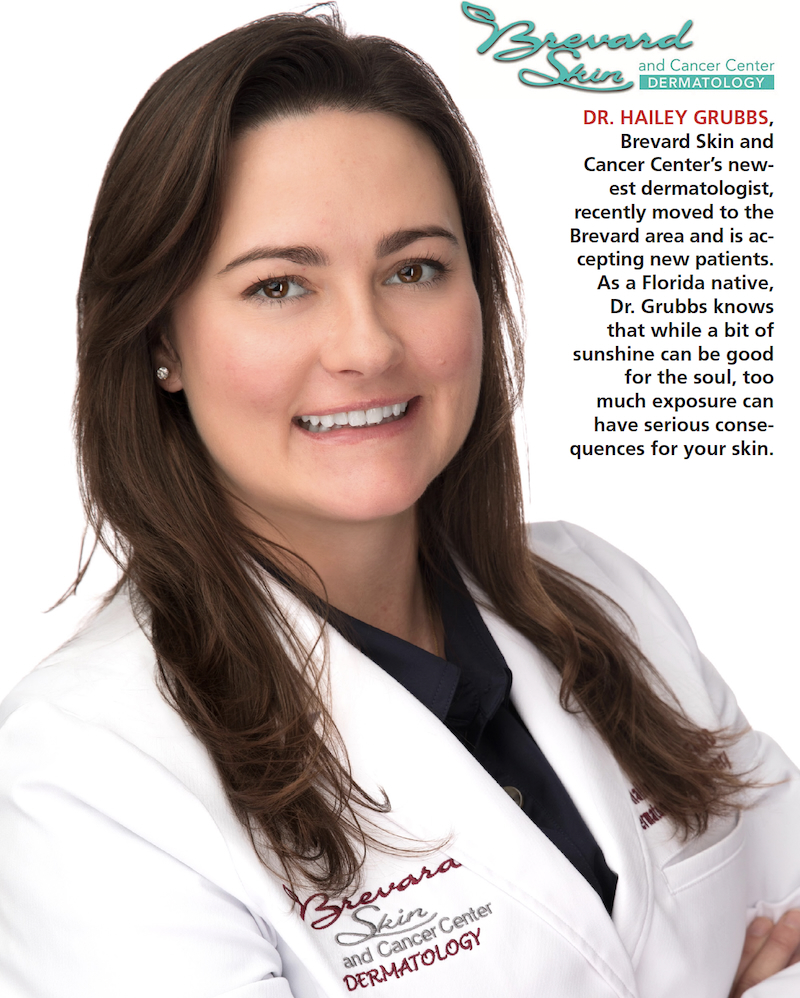
Dr. Hailey Grubbs, DO, FAAD, is a Board Certified Dermatologist, Fellowship Trained Mohs Surgeon, and Cosmetic Dermatologist
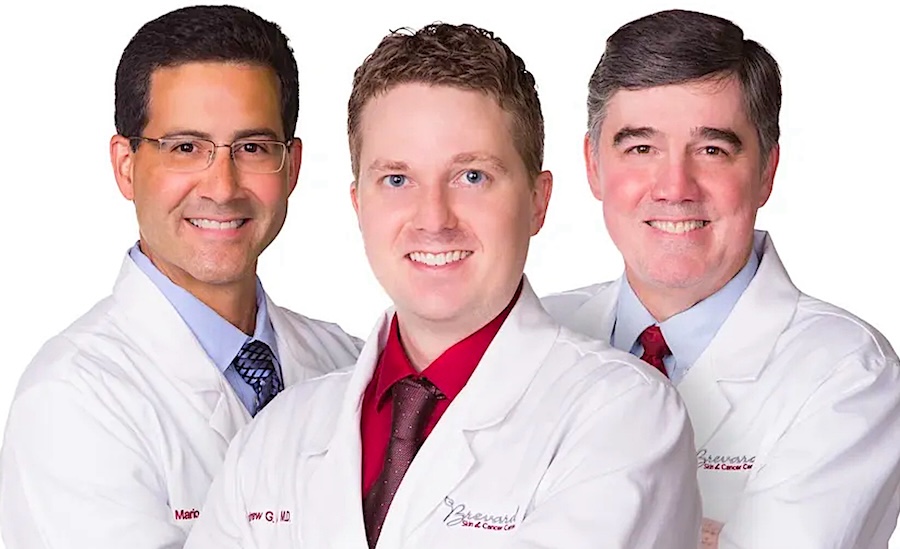
BREVARD COUNTY, FLORIDA – Dr. Hailey Grubbs, Brevard Skin and Cancer Center’s newest dermatologist, recently moved to the Brevard area and is accepting new patients.
As a Florida native, Dr. Grubbs knows that while a bit of sunshine can be good for the soul, too much exposure can have serious consequences for your skin.
Please read below to get her take on skin cancer and staying safe in the sun.
Let’s talk about something many people don’t realize: skin cancer is the most common type of cancer in America, with more than 9,000 people diagnosed every single day.
It affects people of all skin colors and ethnic backgrounds, and while it’s common, it’s also one of the most preventable and treatable cancers when caught early.
Know the Common Types
The two most common types of skin cancer are basal cell carcinoma and squamous cell carcinoma. These cancers usually develop in areas that receive a lot of sun, such as the face, neck, arms, and legs.
They might show up as a stubborn pimple that won’t go away or a sore that doesn’t heal. If you notice a new bump or growth that bleeds more than once, take that as your sign to make an appointment with a dermatologist.
Melanoma is a more serious form of skin cancer that can be deadly if not treated in time. It often starts as a mole that changes in size, shape, or color. Dr. Grubbs uses the ABCDEs of melanoma to teach patients how to monitor their moles and recognize warning signs.
Melanoma can also develop in places that don’t get much sun, like the scalp, nails, between your toes, the bottoms of your feet, or even the buttocks, so it’s important to check your whole body and not just sun-exposed areas.
If you’ve had blistering sunburns, used tanning beds, or worked outdoors for many years, your risk is higher.
ABCDEs of Melanoma
A – Asymmetry: If you draw a line through the mole, the two halves don’t match. Healthy moles are usually symmetrical.
B – Border: Look for moles with uneven, scalloped, or notched edges. A normal mole typically has smooth, even borders.
C – Color: Be wary of moles that have multiple shades—like brown, black, red, white, or blue—or ones that suddenly change color.
D – Diameter: While melanomas can be small, any spot larger than a pencil eraser should be checked, especially if it’s growing.
E – Evolving: If a mole starts changing, getting bigger, darker, itchy, painful, or begins to bleed, it’s time to see a dermatologist.
Protecting Yourself from the Sun
The good news? It’s never too late to start protecting your skin. Here are a few simple but powerful steps you can take:
■ Avoid tanning beds—they’re a major risk factor for skin cancer!
■ Stay out of direct sunlight between 11 a.m. and 2 p.m. when UV rays are strongest
■ Wear UPF-rated clothing and wide-brimmed hats for added protection—especially if you’ll be outside for long periods.
■ Use sunscreen every day, even when it’s cloudy. Look for SPF 30 or higher, and reapply every two hours. Use one that’s water-resistant when swimming or sweating.
■ Choose mineral-based sunscreens with active ingredients like zinc oxide or titanium dioxide for better coverage. But remember—any sunscreen is better than none! So, if you prefer sunscreens with active ingredients such as avobenzone and oxybenzone, that is ok, just be sure to check that it is broad-spectrum.
■ Protect your lips and eyes with SPF lip balm and sunglasses.
■ A few bonus tips: ask your nail tech to look at your nails for any discoloration or brown lines if you wear polish regularly, and ask your hairdresser to check your scalp for unusual spots. Skin cancer can hide in surprising places!
Regular Skin Checks Can Save Lives
One of the most important things you can do for your skin health is to schedule regular skin exams with a board-certified dermatologist or other dermatology provider.
We’re trained to spot the subtle signs of skin cancer that you might miss. Most skin cancers can be treated right in the office.
Whether you’re just starting to think about sun safety or you’ve been diligent for years, every step you take matters. Let’s work together to keep our community healthy and sun-smart.
Brevard Skin and Cancer Center is here to help, and I’d love to meet you—schedule your skin cancer screening today with me and take that first step toward protecting your skin and your health.
55 Years of Dedicated Service
Brevard Skin and Cancer Center continues its long-standing commitment to providing quality dermatological care to the residents of Brevard County.
With over 55 years of dedicated service, the center offers a full range of treatments for skin cancer, growths, eczema, psoriasis, rosacea, sun damage, acne, and skin discoloration.
Patients have access to advanced procedures, including Mohs micrographic surgery, offered at four of the five locations, as well as SRT-100 Superficial Radiation Therapy, Photodynamic Therapy, and Excimer Laser treatments.
Cosmetic services, including safe dermal fillers such as Restylane and Juvéderm, as well as Dysport and Botox, are also available.
With five convenient locations across Rockledge, Palm Bay, Titusville, Viera, and Merritt Island, the practice ensures patients receive timely and professional care close to home. Offices are open Monday through Friday from 8 a.m. to 5 p.m.
Recognized as Best of Brevard for more than six years, Brevard Skin and Cancer Center continues to combine medical expertise, cutting-edge technology, and compassionate service to help patients achieve healthier skin and greater confidence.
For appointments or more information, call 321-636-7780 or visit BrevardSkin.com.