What Are Bifocal Reading Glasses and What Signs Suggest You May Need Them?
By Space Coast Daily // December 5, 2025
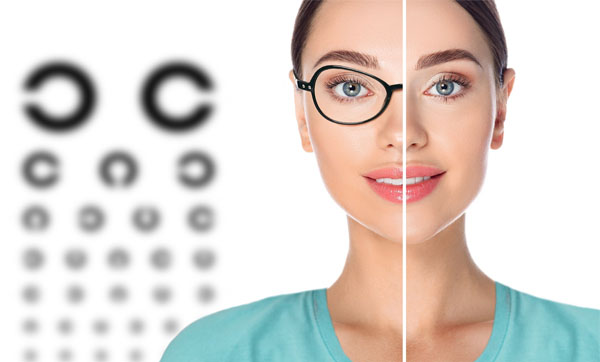
Many people begin to notice that reading small text or shifting focus between distances is not as easy as it once was. These changes often appear slowly, and it can be difficult to pinpoint exactly when they started. Understanding what bifocal lenses do and when they become helpful makes it easier to take control of your visual comfort and daily activities.
What Exactly Are Bifocal Reading Glasses?
Bifocals are designed for people who need help seeing clearly at more than one distance. They combine two prescriptions in one lens, with the top section usually meant for distance vision and the lower section dedicated to near tasks like reading, sewing, or using a phone. This design allows your eyes to shift naturally between viewing zones without constantly removing or swapping glasses.
What sets bifocal reading glasses apart from standard lenses is their ability to simplify everyday routines. Instead of juggling multiple pairs of glasses throughout the day, one pair covers a broader range of needs. This makes them especially useful for adults experiencing age-related changes in their near vision, a condition known as presbyopia.
Bifocals can come in different styles based on how visible the reading segment is. Some people prefer a defined line between the sections, while others choose more subtle designs that blend more seamlessly. Whichever style you prefer, the purpose remains the same: to provide crisp, comfortable vision at both near and far distances without constant adjustments.
How Do Bifocal Reading Glasses Work?
The design is simple but effective. Each lens contains two distinct optical strengths that support your eyes as they shift focus. When you look straight ahead, the distance prescription helps you see clearly across a room or when driving. When you angle your eyes downward, the reading section takes over, offering clarity for close tasks.
This dual-function setup supports the natural way people use their eyes throughout the day. For example, you might look at a computer screen, glance down at your notes, and then back up across the room. Bifocals allow you to do all of that without interruption. Instead of straining to refocus, your eyes move smoothly between zones that match the activity you are performing.
Some people also use bifocals to ease digital eye strain, especially if they spend long hours on devices. While they do not replace specialized computer lenses, they can provide more flexibility than single-vision reading glasses when switching between tasks.
Who Typically Uses Bifocals?
Bifocals are often recommended for adults who are experiencing presbyopia, which usually begins around age forty. This natural change affects the eye’s ability to focus on close objects, making reading or working up close more difficult. People who already wear distance glasses often find this shift frustrating because they suddenly need additional help for near tasks.
Bifocals offer a straightforward solution. With one pair of lenses supporting both distance and near vision, they allow you to keep your normal routines without constantly switching glasses. They are also helpful for:
- People who move frequently between desk work and conversations across a room
- Individuals with hobbies that require detailed close-up focus
- Anyone who prefers not to manage multiple pairs of glasses throughout the day
If you already wear glasses and notice new difficulties with close work, bifocals may help restore comfort and clarity with minimal lifestyle changes.
Common Signs You May Need Bifocal Reading Glasses
Many people ignore early signs of changing vision because they assume it is a temporary strain or fatigue. However, consistent difficulty with near tasks often points to presbyopia or other vision changes that bifocals can address. The following symptoms are common indicators that you may benefit from lenses designed for both near and far focus.
1. Reading Requires More Effort
If you find yourself adjusting how you hold a book, phone, or menu in order to bring it into focus, it may be a sign that your near vision has changed. You might naturally pull items farther away, raising or lowering them until the text finally sharpens. This is one of the earliest and most common signs of presbyopia.
2. You Experience Eye Fatigue During Close Work
Straining your eyes to focus at close range can lead to discomfort. People often describe it as a tired or heavy feeling around the eyes. This fatigue may become more noticeable after long hours of reading, writing, or working on a computer.
Eye strain can also contribute to headaches, especially around the forehead or temples. If this discomfort becomes routine, an updated prescription or bifocal lenses might provide relief.
3. Switching Focus Between Distances Feels Difficult
Many people notice that shifting their gaze from something up close to something far away feels slower or less natural. You might look up from your phone and struggle to see clearly across a room. Although this can feel alarming, it is usually a normal part of age-related vision changes.
Bifocal reading glasses help because they support the eyes as they adjust to different distances. Instead of forcing your eyes to work harder, the lenses provide built-in support for both viewing ranges.
4. Your Current Glasses No Longer Feel Sufficient
If you wear single-vision lenses but still need to remove them to see either near or far objects, it may be time to try bifocals. Many people reach a stage where their normal glasses work well only at one distance. Switching constantly between pairs becomes inconvenient and breaks concentration during tasks.
Bifocals remove this frustration by combining both prescriptions, offering smoother transitions and better overall convenience.
5. You Notice Increased Dependence on Good Lighting
People with declining near vision often find themselves seeking brighter light for reading menus, checking labels, or reviewing documents. While good lighting is always helpful, a sudden need for more brightness may signal that your eyes are struggling to focus up close. Bifocals can help restore clarity without relying solely on stronger lighting.
How Bifocals Compare to Other Vision Solutions
While bifocals are effective for many people, they are not the only option for correcting near and distance vision. Your choice depends on lifestyle, comfort, and personal preference. Some alternatives include:
- Progressive lenses: These provide multiple vision zones without visible lines.
- Single-vision reading glasses: Useful for those who only need correction up close.
- Separate distance and reading glasses: Ideal for people who prefer switching between tasks
- Multifocal contact lenses: Helpful for people who want to avoid wearing frames.
Bifocals remain a popular choice because they are simple, reliable, and easy to adapt to. They also work well for people who prefer a clear separation between reading and distance zones.
Why a Professional Eye Exam Matters
Identifying whether bifocal lenses are right for you begins with a comprehensive eye exam. Your eye care professional can determine whether your symptoms are due to presbyopia, astigmatism, or another issue that requires attention. An accurate prescription ensures that your bifocals perform correctly and provide the comfort you expect.
During an exam, your provider may:
- Evaluate your near and distance vision
- Check how your eyes move and focus
- Assess overall eye health and screen for possible conditions
- Discuss your daily routines to recommend the most suitable lens type
Clear communication about your symptoms and habits helps ensure the glasses you choose fit your lifestyle.
Conclusion
Bifocal reading glasses offer a practical, comfortable solution for people experiencing difficulty with both near and far vision. They simplify daily routines, reduce eye strain, and help you move easily between tasks without switching glasses. When early signs like eye fatigue, headaches, or difficulty reading begin to appear, they are worth exploring. A simple eye exam can determine whether bifocals are the right choice and ensure that you receive the proper prescription for long-term comfort and clarity.