WATCH: NOAA Arctic Report Card Marks 20 Years of Tracking Rapid Warming and Transformation
By Space Coast Daily // January 2, 2026
from October 2024 to September 2025 were the warmest recorded since recordkeeping began in 1900
ABOVE VIDEO: Arctic Report Card Marks 20 Years of Tracking Rapid Warming and Transformation

(NOAA) – The Arctic is continuing to warm at a pace far exceeding the rest of the planet, according to the Arctic Report Card 2025, which marks two decades of monitoring environmental change across the region.
The report presents a comprehensive assessment of conditions in the Arctic atmosphere, oceans, cryosphere, and tundra, while underscoring the growing scale and complexity of transformations reshaping northern ecosystems and communities.
Surface air temperatures across the Arctic from October 2024 through September 2025 were the warmest recorded since recordkeeping began in 1900. Autumn 2024 and winter 2025 ranked as the warmest and second warmest on record, continuing a pattern in which the past 10 years are the 10 warmest in Arctic history.
Since 2006, Arctic temperatures have increased at more than twice the global rate, highlighting the region’s role as a bellwether for climate change.
Precipitation also reached unprecedented levels, with the October 2024 through September 2025 period setting a new record high and seasonal totals ranking among the highest since 1950.
Conditions in the Arctic Ocean reflected a similarly dramatic change. Winter sea ice reached its lowest maximum extent on record in March 2025, while September 2025 marked the tenth lowest annual minimum, continuing a trend in which all of the lowest September ice extents have occurred within the past 19 years.
The oldest and thickest Arctic sea ice has declined by more than 95 percent since the 1980s and is now primarily confined to areas north of Greenland and the Canadian Archipelago.
Sea surface temperatures in parts of the Atlantic sector of the Arctic Ocean were significantly warmer than long-term averages, and ice-free regions in August have warmed steadily since the early 1980s.
Scientists reported sharp increases in phytoplankton productivity across much of the Arctic, with substantial gains in the Eurasian Arctic, the Barents Sea, and Hudson Bay. In 2025, productivity exceeded long-term averages in most Arctic regions assessed.
The report also documents the continued spread of atlantification, a process in which warmer and saltier waters from lower latitudes move northward into the Arctic Ocean. This shift weakens the natural layering of ocean waters, enhances heat transfer, accelerates sea ice loss, and threatens ocean circulation patterns that influence global weather.
On land, glaciers and ice sheets continued to lose mass despite year-to-year variability. Glaciers in Arctic Scandinavia and Svalbard recorded their largest annual net ice losses between 2023 and 2024, while the Greenland Ice Sheet lost an estimated 129 billion tons of ice in 2025, extending a long-term trend of decline.
Alaskan glaciers have thinned dramatically since the mid-20th century, contributing to rising global sea levels and increasing risks of flooding, landslides, and coastal hazards that threaten Arctic communities and infrastructure.
Snow conditions reflected the complex nature of Arctic change. Snowpack during the 2024 and 2025 seasons remained higher than normal into late spring, yet by June, snow cover dropped below average, consistent with patterns observed over the past 15 years. Overall, June snow cover across the Arctic is now about half of what it was six decades ago.
The report highlights emerging concerns linked to thawing permafrost, including the phenomenon known as rusting rivers. In more than 200 Arctic Alaska watersheds, iron and other elements released by thawing ground have turned once pristine rivers and streams orange, increasing acidity and toxic metal concentrations that degrade water quality and aquatic habitats.
Researchers are studying the implications for drinking water supplies and subsistence fisheries relied upon by rural communities.
Vegetation changes also remain pronounced. The greening of the Arctic, first detected in the late 1990s, continued in 2025, with tundra greenness ranking third-highest in the satellite record. These changes affect habitats, permafrost stability, and the livelihoods of Arctic residents, while also influencing global climate and carbon cycles.
Throughout the report, scientists emphasize the importance of sustained observations and strong partnerships. Indigenous knowledge and leadership play a critical role in understanding environmental change, supported by long-standing initiatives such as the Indigenous Sentinels Network.
Community-based efforts in places like St. Paul Island, Alaska, have strengthened food security research by combining local observations with scientific analysis of contaminants in traditional foods.
As the Arctic Report Card enters its third decade, researchers note that gaps in monitoring still limit the ability to fully assess changes affecting water availability, ecosystems, and food security. Even so, the report provides a clear and sobering picture of a region undergoing rapid transformation, with consequences that extend well beyond the Arctic itself.
 Related Story:
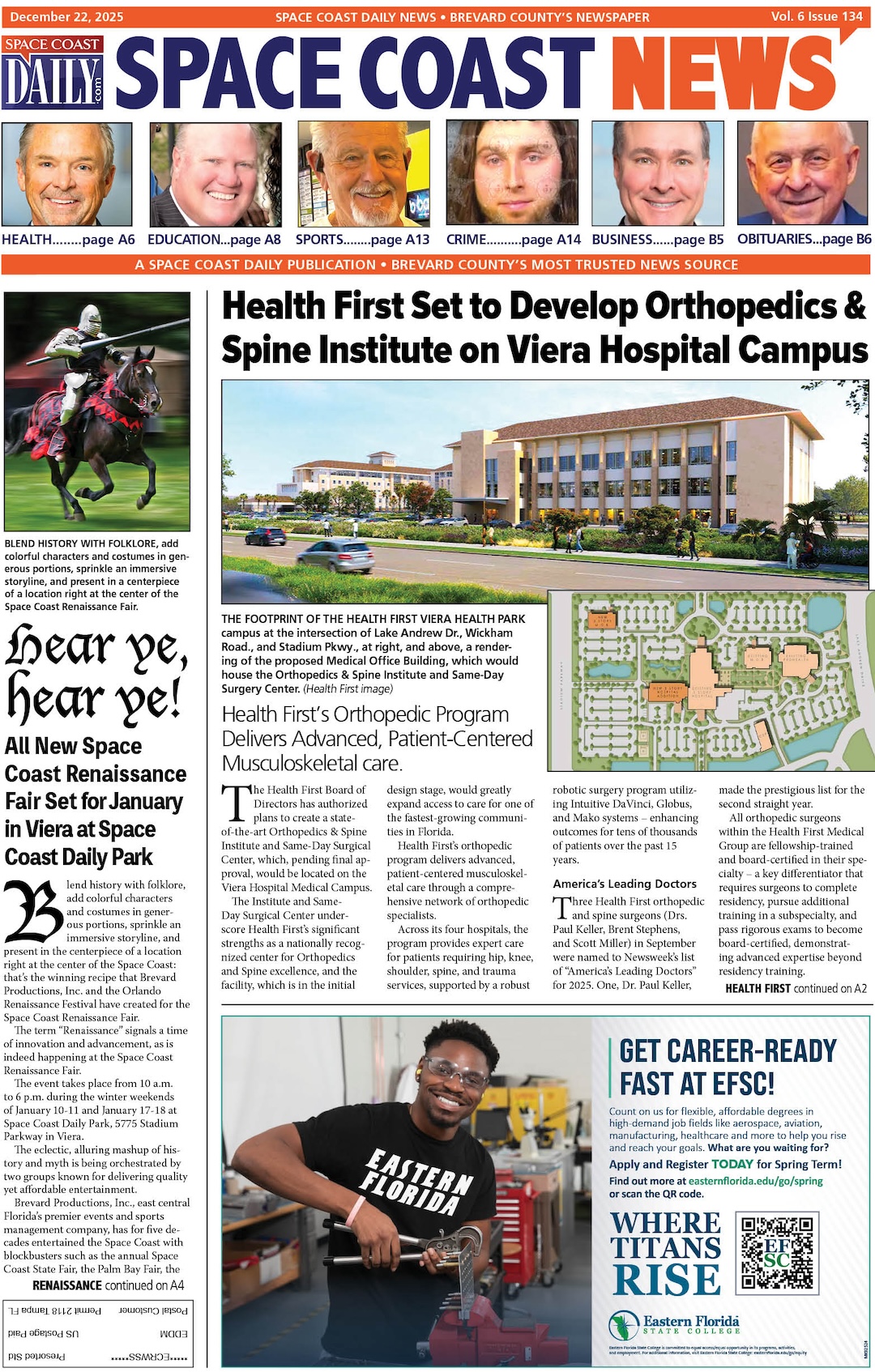
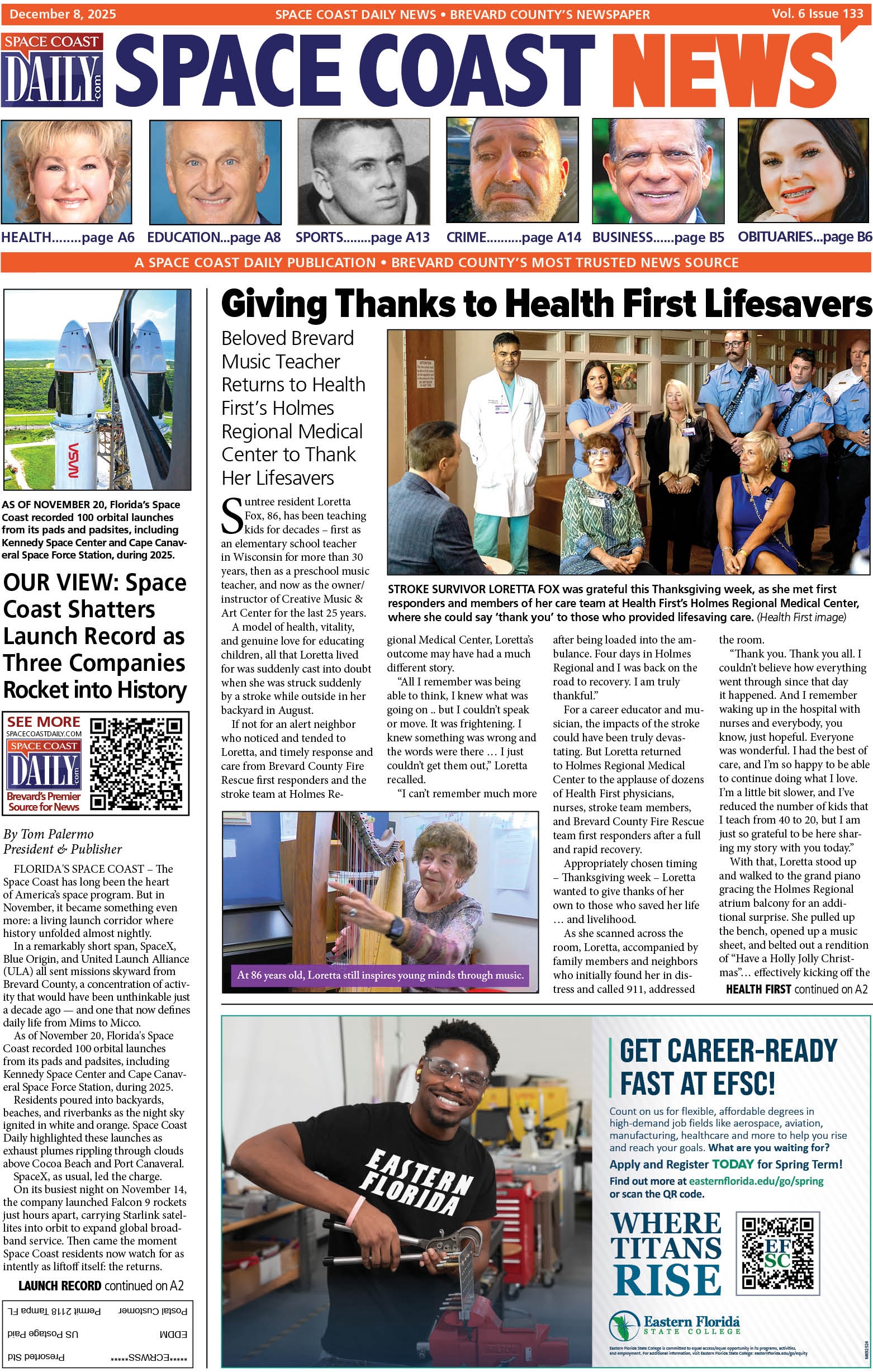
HOT OFF THE PRESS! December 22, 2025 Space Coast Daily News – Brevard County’s Best Newspaper