BREAKING REPORT! Reports Claim Iran’s Supreme Leader Ali Khamenei Dead After Joint U.S.–Israeli Strikes on Tehran
By Space Coast Daily // February 28, 2026
Israeli officials and some international media outlets say his body was found in the rubble
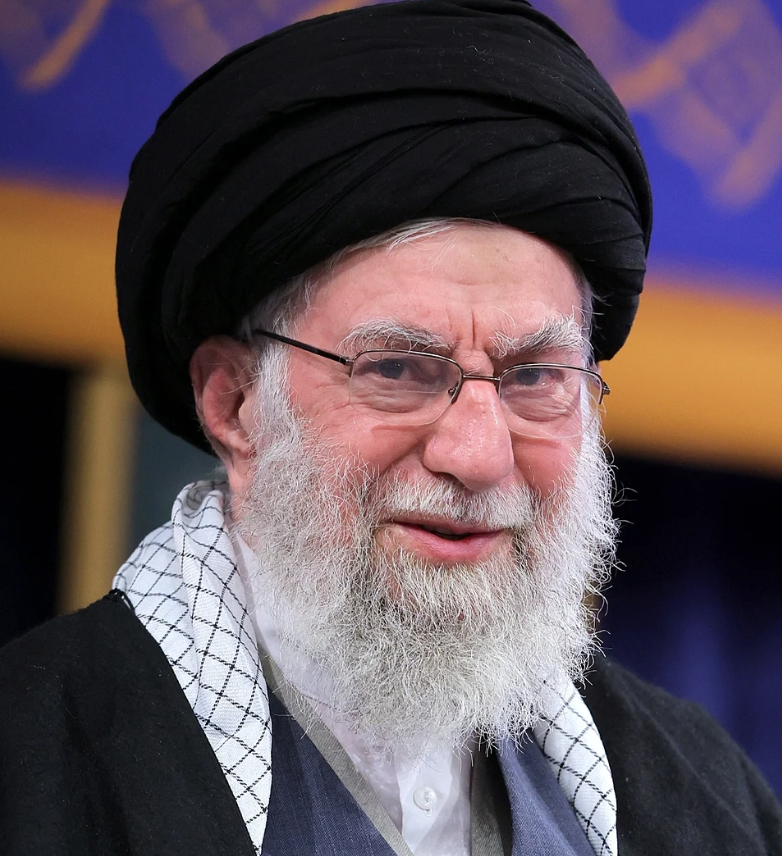
Tehran / Washington / Jerusalem — Iran’s Supreme Leader Ayatollah Ali Khamenei, the nation’s most powerful political and religious figure, is reported killed after intense military strikes by Israeli and U.S. forces hit his fortified compound in central Tehran on Saturday.
Israeli officials and some international media outlets say his body was found in the rubble, though Iranian authorities deny the reports and say he is alive.
Israeli and U.S. Officials Announce Leader’s Death
Israeli Prime Minister Benjamin Netanyahu and a senior Israeli official told Reuters that Khamenei, 86, was killed during what has been described as a coordinated offensive involving U.S. and Israeli air and missile strikes against key Iranian targets. Israeli authorities, including intelligence sources, say his compound in Tehran was destroyed and later reported that his body had been recovered from the site.
Netanyahu addressed the nation, calling the operation a major blow to Iran’s regime and urging the Iranian people to “flood the streets and finish the job” of removing the ruling clerical establishment. He framed the strikes as necessary to end Tehran’s influence in supporting militant groups in the Middle East.
U.S. President Donald Trump described the offensive as a step toward dismantling a security threat to the United States and said it could create a “generational opportunity” for political change inside Iran.
Iranian Government Denies Reports of His Death
Hours after the Israeli statements, Iranian officials — including spokespeople for the supreme leader — issued firm denials. Tehran’s representatives stated that Khamenei is in good health and will address the nation, rejecting foreign claims about his death. This conflicting information underscores the fog of war and the difficulty of independently verifying events inside Iran.
Iran’s Foreign Ministry also publicly stated that both Khamenei and President Masoud Pezeshkian were “safe and sound,” disputing reports of their deaths.
Context: A Major Escalation With Regional Impact
The reported killing comes amid a dramatic escalation in U.S.–Iran–Israel tensions, as Operation Epic Fury (as named by some U.S. sources) unleashed waves of strikes across Iran targeting military infrastructure, nuclear sites, and leadership compounds. Explosions were reported in Tehran and multiple Iranian cities. In response, Iran launched retaliatory strikes across the Middle East.
Khamenei had led the Islamic Republic since 1989, following the death of Ayatollah Ruhollah Khomeini, and wielded ultimate authority over Iran’s political, military, and religious institutions. His long tenure was marked by a consolidation of power, suppression of internal dissent, and support for allied groups such as Hamas and Hezbollah.
If confirmed, Khamenei’s death would trigger a constitutional succession process in Iran involving the Assembly of Experts and could intensify instability within Tehran’s political hierarchy. Analysts warn of unpredictable ramifications both inside Iran and across the Middle East, including the potential for broader conflict and disruptions to global energy markets.
This story is developing rapidly, and trusted international agencies are continuing to monitor and verify confirmations from all sides.