How Professional Chimney Maintenance Prepares Colorado Homes for Extreme Winter Conditions
By Space Coast Daily // March 18, 2026
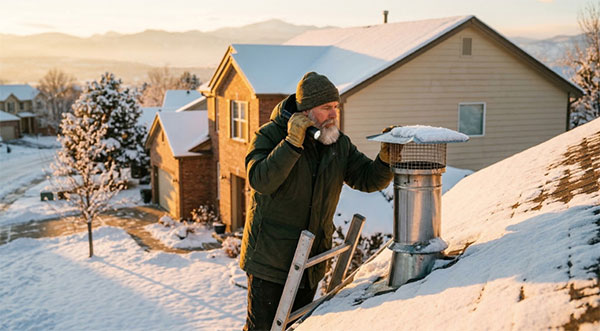
For residents of the Front Range and the surrounding Colorado mountains, winter is more than just a season; it is a test of residential infrastructure. When the temperatures drop well below freezing and heavy snow begins to accumulate, the fireplace often transitions from a decorative luxury to a primary or critical secondary heat source. However, the unique climate of the Rocky Mountain region places specific demands on chimney systems that differ from more temperate areas. Proper winter preparation is essential to ensure that your home remains warm, safe, and structurally sound throughout the harshest months of the year.
The transition into winter involves more than just stocking up on seasoned firewood. It requires a detailed assessment of how the chimney will handle the thermal stress of constant operation and the external pressure of ice and snow. By taking a proactive approach to maintenance before the first major storm hits, homeowners can avoid the dangers of chimney fires and the inconvenience of a system failure when heat is needed most.
Navigating the Freeze-Thaw Cycle in Colorado
One of the most significant challenges for Colorado masonry is the frequent freeze-thaw cycle. Throughout the autumn and early winter, moisture from rain or melting snow can seep into the porous surfaces of brick and mortar. When the sun goes down and temperatures plummet, this trapped water freezes and expands, creating microscopic fractures in the chimney structure. Over several seasons, these tiny cracks grow into significant gaps that can allow moisture and freezing air to penetrate deep into the home’s walls.
Professional technicians focus heavily on the “crown” of the chimney during winter prep. The crown is the concrete or mortar cap that seals the top of the masonry. If it is cracked or deteriorating, it acts like a funnel for water. Applying specialized waterproof sealants and repairing these structural components before the deep freeze sets in is the most effective way to prevent spalling bricks and expensive structural rebuilds. Ensuring the exterior is sealed is just as important as cleaning the interior flue.
The Critical Danger of Winter Creosote Accumulation
During a Colorado winter, fireplaces are often kept running for extended periods. While this provides a cozy atmosphere, it also accelerates the buildup of creosote inside the flue. Creosote is a highly flammable byproduct of combustion that forms when wood smoke cools and condenses on the interior walls of the chimney. In cold climates, the exterior-facing walls of the chimney stay colder, which causes smoke to condense even faster than it would in warmer environments.
If this layer is allowed to thicken, it restricts the airflow, making the fire burn less efficiently and increasing the risk of a high-temperature chimney fire. Such fires can reach temperatures that exceed the safety ratings of even the highest-quality flue liners, potentially spreading to the roof or the wooden framing of the house. Professional sweeping removes these deposits, ensuring that the exhaust path remains clear and safe for continuous winter use.
Ensuring Proper Drafting During Heavy Snowfall
Heavy snowfall brings its own set of complications for chimney performance. A significant accumulation of snow on the roof can partially block the chimney cap or interfere with the pressure balance required for a proper draft. Without a strong upward draft, smoke and dangerous combustion gases like carbon monoxide can be pushed back into the living space. This is a particularly high risk during “inversion” weather patterns, where cold air is trapped near the ground by a layer of warmer air above.
A winter-ready inspection includes a check of the chimney cap and spark arrestor. These components must be securely attached and cleared of any old debris that could catch snow and create a blockage. Technicians also evaluate the height of the chimney relative to the roofline to ensure it meets safety codes designed to prevent wind-induced downdrafts. Maintaining a clear and high-functioning exhaust point is vital for the safety of everyone inside the home during the peak of the storm season.
Reliability and Emergency Prevention
There is never a convenient time for a chimney issue, but a failure in the middle of a blizzard can be a genuine emergency. If a chimney liner collapses or a blockage occurs when roads are closed and technicians are overbooked, a homeowner may be left without a safe way to heat their property. Professional preparation is largely about reliability. By identifying worn-out dampers, rusted fireboxes, or crumbling flue tiles in the early autumn, repairs can be completed while the weather is still manageable.
Furthermore, many modern insurance policies require proof of regular maintenance to cover claims related to fire or smoke damage. Keeping a documented history of professional care protects not only the physical structure of the home but also the financial security of the homeowner. Transitioning into the winter months with a certified clean bill of health for your fireplace provides a level of peace of mind that cannot be quantified.
Long-Term Protection Against Water Intrusion
Beyond the immediate fire risks, winter preparation focuses on the long-term moisture protection of the entire system. When snow sits on the roof and slowly melts against the chimney flashing, any small gap can lead to a significant leak. These leaks often manifest as water stains on ceilings or peeling paint near the fireplace. Unfortunately, by the time a homeowner sees the water inside, the internal rot may have been progressing for weeks.
Enlisting an expert for a chimney sweep provides the opportunity for a full-system audit. This includes checking the metal flashing where the chimney meets the roof and ensuring the mortar joints are solid. If a leak is detected during the dry season, a targeted chimney leak repair can be performed to seal the system before the heavy snow arrives. This preventative step saves homeowners thousands of dollars in secondary repairs to drywall, insulation, and roofing materials.
Creating a Safe and Warm Sanctuary
A fireplace should be the heart of a home during a Colorado winter, providing a reliable source of warmth and a gathering place for the family. Achieving this requires a commitment to the safety standards that govern modern home infrastructure. By understanding the specific environmental stressors of the region and relying on specialized tools and expertise, residents can ensure their hearth is ready for whatever the season brings.
As we look toward the winter of 2026, the emphasis on proactive maintenance has never been higher. The combination of advanced diagnostic technology and traditional craftsmanship allows for a level of safety that was previously unattainable. Taking the time to prepare now ensures that when the first snowflakes begin to fall, you can light your fire with complete confidence in your home’s security.