Important Factors for Lash Business Consider When Choosing Classic Lash Trays From a Supplier
By Space Coast Daily // January 13, 2024

Classic lash trays are an indispensable item in every lash artist’s lash cart or lash brand’s shopping shelves.
They are so essential lash item in the lash extension industry, together with volume lashes. However, for beginners in the lash industry, it can be overwhelmed with many types of classic lashes out there, many lash suppliers who trying to get you close deals with them.
In this guide, we’re gonna provide a comprehensive guideline for you and answer any question you may have relating to classic lash trays. You don’t know enough about classic lashes, now you will know after having this guide on mind. Stay tuned for the interesting exploration about classic lashes that we’re going to find out.
Everything you should know about classic lash trays
Classic lash trays are produced and distributed with a wide range of types, materials, lengths, thicknesses, and curl options. Understanding all these specifications is a must for everyone operating in the lash industry, whether you are a lash artist or an owner of a lash brand. So, in this section, we’ll explore one by one all the aspects of classic lash trays that you need to know.
Types of classic lashes
Viewing classic lashes as those used for 1:1 application, we can categorize them into two main types: standard classic lashes and flat classic lashes. Let’s delve into the features of these common types and explore their distinctions:
Standard classic lashes: These are the most common and widely used classic lashes with a long history in the lash industry. They have a round base that tapers from the base to the tip. Lash technicians can attach standard classic lashes to the top, bottom, and either side of the natural lashes, making them versatile for all types of natural lashes.
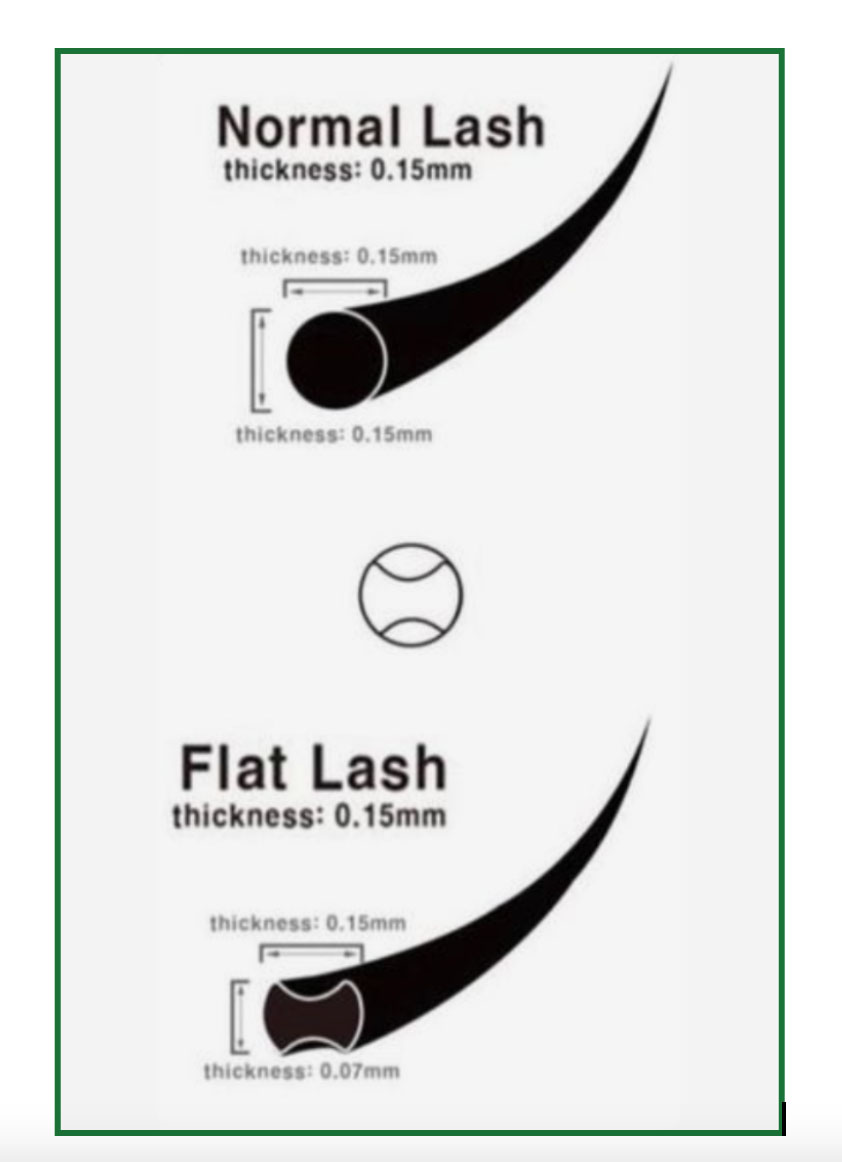
Flat classic lashes: Introduced later in the lash industry, flat classic lash trays are distinctive because the top and bottom of the base are completely removed. This design provides more contact space with natural lashes when applied to the top or bottom. Due to the missing portion, flat lashes are 40% lighter than standard classic lashes with the same specifications.
Before the emergence of flat lashes, standard classic lashes served their purpose effectively. However, with a growing demand for lightweight options, especially for clients with sparse natural lashes desiring a voluminous look, flat lashes entered the scene to complement the lash world. Note that flat lashes are not suitable for clients with criss-cross lashes, as they cannot be applied to the side of natural lashes.
Types of materials used to make classic lashes
When entering the lash industry, you may often encounter terms like “mink lashes” or “silk lash extensions,” leading to concerns about animal cruelty, environmental impact, or potential allergic reactions in clients.
However, there’s no need to worry, as the majority (99.9%) of lashes on the market are crafted from synthetic fibers, specifically PBT fibers. The terms “mink” or “silk” are simply used by lash brands to distinguish between different versions of lashes. Here’s a breakdown of the differences:
Mink lashes, also referred to as faux mink lashes, are created using PBT fibers to replicate the characteristics of genuine mink fur. They usually boast a sheen finish, falling between gloss and matte, and have a bolder appearance than silk lashes. The structure of mink lashes involves maintaining a consistent width for the initial 2/3 of the lash, with tapering occurring only in the final 1/3 from the body to the tip. Mink lashes excel in retaining their curled shape.
On the other hand, Silk classic lash trays are manufactured from the same material as mink lashes but undergo modifications to achieve distinctive attributes. Silk lashes are altered to provide a matte and softer finish. They are more supple and create a fluttery appearance compared to mink lashes. The taper of silk lashes differs, showing a consistent taper all the way through the lash strand, from the base to the tip.
Choosing between mink lashes and silk lashes depends on personal preferences and the preferences of your specific client base. To diversify your offerings, you can choose to stock both types to cater to the varying demands of different customers. Keep in mind that this comparison is a broad overview applicable to most large brands, and it’s advisable to inquire with your supplier to ensure they align with these standards.
Lengths of classic lashes
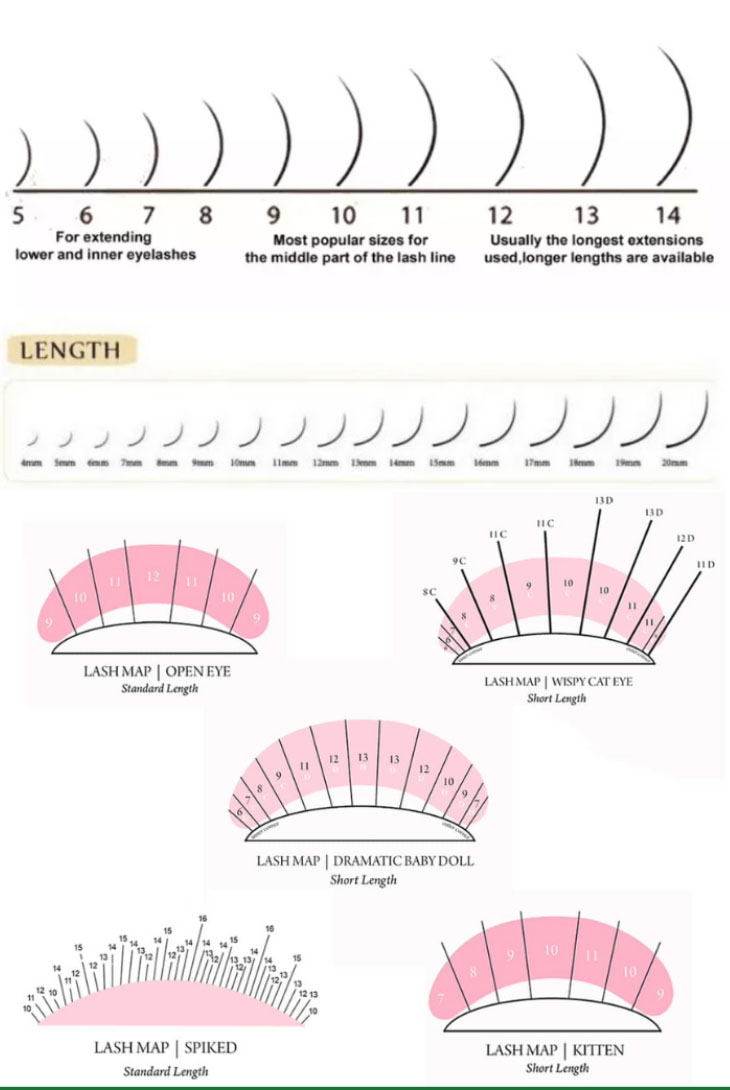
When discussing the lengths of classic lashes or any other lash types, they are commonly categorized into three main classifications: short, medium, and long lashes. Here are more details about classic lash lengths:
Short (5-8mm): Short lashes, typically ranging from 5-8mm, are commonly applied to the inner corner section of the eyes or the bottom lashes. This placement follows the natural pattern of lashes, as lashes in these areas are naturally shorter.
Medium (9-13mm): Medium lashes represent the majority of lash lengths. Ranging from 9-13mm, these lengths are versatile and suitable for almost any client, regardless of their natural lash strength, thickness, or other characteristics. Medium classic lash trays are extensively used in various lash extension styles, often forming the core of the set, with shorter or longer lengths incorporated to achieve specific looks.
Long (14-20mm): Long lashes are ideal for clients with naturally long lashes or those seeking a dramatic, red-carpet appearance. They are also commonly used in hybrid eyelash extensions, sandwiched between shorter fans to create a wispy lash set or applied to specific sections of the lash map designated for the longest length in the set.
It is advisable to stock a variety of lengths, including a selection of short, medium, and long lashes. However, having medium lashes as the primary component of your lash orders ensures that you have the most commonly used lengths readily available. This approach provides both versatility and diversity, allowing you to create different lash sets catering to a range of customers and eye shapes.
Thicknesses of classic lashes
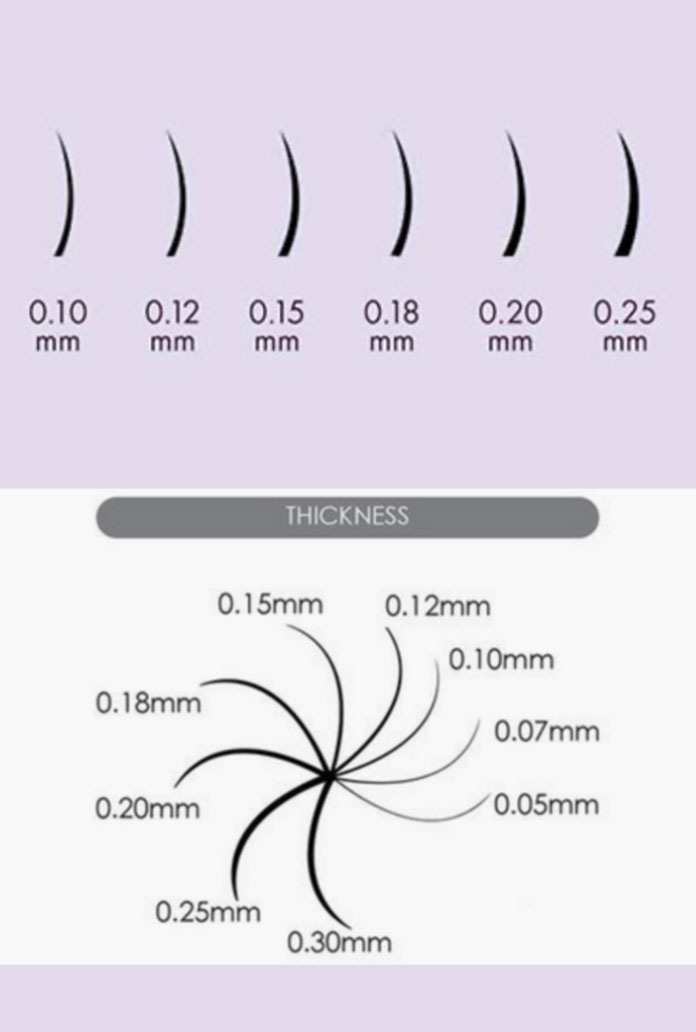
Classic lashes come in three thickness options, ranging from thin to thick. The thinnest lash extensions on the market, with a diameter of 0.03mm, are typically reserved for volume lashes, as they consist of multiple lash strands in one fan. For classic lashes, the thinnest single lash strand available is 0.10mm. Here are more details:
Thin: Classic lash trays with a diameter of 0.10mm are the thinnest available and are suitable for clients with naturally thin and short lashes seeking subtle enhancement for everyday wear. These lashes provide a natural look, enhancing and filling in sparse, short natural lashes without creating a significant visual difference.
Medium: Lashes with diameters of 0.12mm and 0.15mm can be safely used on clients with thin natural lashes. They offer a comfortable wearing experience while delivering a full and slightly dramatic effect that still appears natural.
Thick: Lashes with diameters of 0.18mm and 0.20mm should only be applied to clients with naturally thick and strong lashes. These thicker classic lashes create a bold and dramatic look. However, lash artists must exercise caution and apply them meticulously to avoid potential damage to thinner natural lashes due to their weight.
The choice among thickness options depends on the health of the client’s natural lashes and the desired look. It’s acceptable to use a thickness slightly greater than the client’s natural lashes, but careful consideration is necessary to ensure they are not too heavy and do not compromise the health of the natural lashes.
Curls of classic lashes
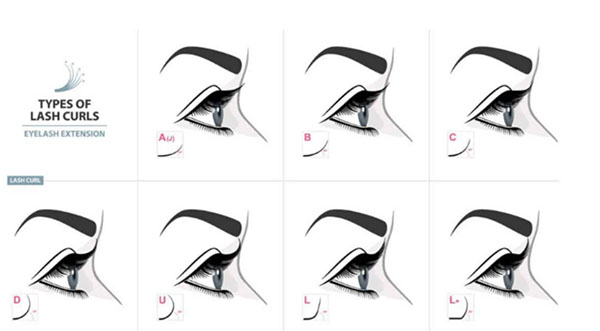
Classic lash trays come in various curl options to cater to different preferences and eye shapes. Here are the classifications:
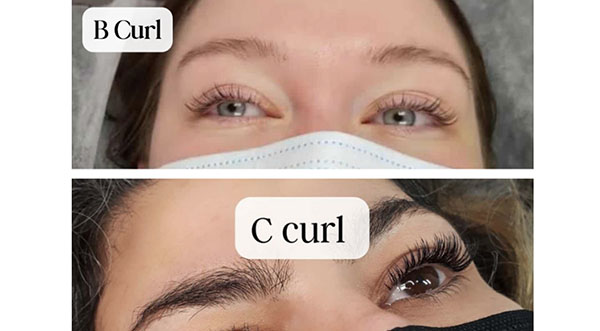
Subtle curls: Subtle curl options available on the market include I, J, and B curls. These curls are subtle and well-suited for clients with upward-facing or straight lashes who desire a natural and understated eyelash look.
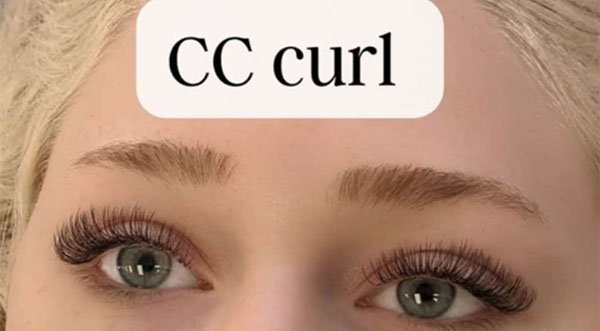
Dramatic curls: C, CC, D, DD, and U curls are considered dramatic, with C being the least dramatic and U being the most dramatic curl. C and CC curls are popular choices, versatile enough to complement various eyelash features and eye shapes. However, D, DD, and U curls are less versatile and may not suit everyone. Clients with hooded eyes should avoid these curls, as they can potentially poke the eyelid.
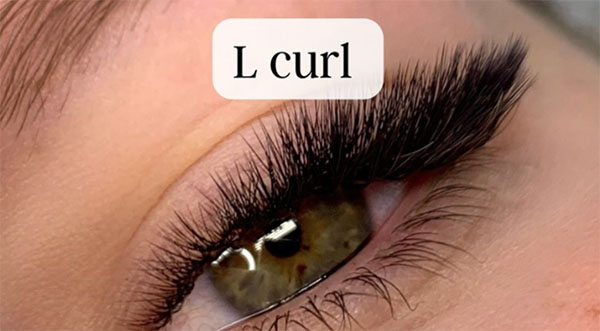
Lift-up curls: L, L+, LC, LD, and M curls are lift-up curls for classic lash trays, designed to enhance hooded or monolid eyes. They have a straight base that seamlessly attaches to natural lashes, followed by a sudden, angled lift-up. L+, LC, and LD curls offer a more pronounced lift. L curl is ideal for creating a fox eye lash extension look, featuring a straight base and a sudden lift-up with no curl. M curl resembles L curl but with a transition that is less sudden and more natural, providing a subtle and lifted appearance.
Choosing the right curl for your classic lashes can significantly impact the final look and client satisfaction. Consider the natural lash characteristics and eye shape to determine the most suitable curl for each individual.
Things you should consider when choosing classic lash trays from a supplier
After assessing all the components of classic lash trays, you need to consider some factors when choosing them from a supplier. Among the various factors, the types of classic lash trays, the quality offered by the supplier, and the price charged for the classic lash trays are the three most important ones.
Types of classic trays to purchase
When delving into the vast array of classic lash trays available in the market, understanding the types and their unique features becomes imperative. Your choice of classic trays significantly influences the outcome of your lash applications, impacting both efficiency and client satisfaction. In this section, we will explore the diverse types of classic trays, unraveling the characteristics that distinguish them and guiding you towards making informed decisions for your lash business.
Single-length vs Mixed-length
When inquiring about classic lash trays from lash suppliers, you’ll generally have to decide on whether you will purchase single-length classic lash trays or mixed-length classic lash trays. This might seem like a small decision not worth minding. However, this is a thing you should consider carefully as it might affect your costs as well as lead to potential waste because you know, lash extensions tend to lose curls over time. If you don’t want to end up with piles of classic lash trays that are straight and useless, here’s the insights:
Single-length Classic Lash Trays
Mixed-length Classic Lash Trays
Pros
Uniformity: Great for large lash studios as they offer uniformity throughout lash trays for lash artists. They just need to pick out a tray with the given length on the package right on the shelf, without having to search for the length they want out of the mixed-tray.
Simplified Application Procedure: Helps simplify the application process as there is only one length option in one tray. Buying single-length classic lash trays of the length options that are used the most also reduces the waste of untouched or rarely-used lash lengths in a mixed tray. With single-length classic trays, you also mitigate the risk of running out of the most used length lash extensions.
Great for Busy Lash Techs: If you’re a professional lash tech who has identified the most used lengths for your client base, buying multiple single-length trays is a wise choice because you can glimpse through your lash shelf faster than when you keep multiple mixed-size trays which end up having lash lengths that you never use left.
Versatility in Lash Styling: Provides lash techs great versatility in lash extensions. They allow lash artists short lengths to put on the inner corner, long lengths to put on the emphasis section, and several other lengths to cover different sections or for different layers of lashes. This allows them to style a lash set that complements clients’ eyes perfectly.
Unleashing Creative Potential: Offers plenty of opportunities for lash artists to create, mix and match between lash lengths to create the lash styles that they want. With various length choices in hand, it’s more convenient and immediate to come up with and perform any lash shapes that poke in the mind of lash artists.
Great for Beginners: Beginner lash techs should definitely purchase mixed-length classic lash trays as they offer the trial and error experience for them. With a variety of lash lengths, they soon get accustomed to the pros and cons of using specific lengths or realize which part or which features of client eyes should use which lengths. They will also gradually realize what lengths are used the most for their specific client base, what lengths are never touched. Also, lash extensions usually involve using multiple lengths to create. For example, you can’t jump from 13mm to 16mm length it a cat-eye style but you have to use gradual lengths to transit from 13mm section to 16mm section.
Cons
Limited Versatility: If your client requires a textured lash set that requires various lengths to complete, single-length trays with only one option of length may not serve you well. In this case, you need to reach for a special length that is either shorter or longer specifically packaged in only mixed-length trays.
Limited Customization: For lash techs trying out different lash extension styles or wanting to mix and match between existing lash styles to create a unique and customized lash set, single-length trays are not ideal types of lash trays that you should buy in large quantities.
A Surplus of Lashes: If you frequently work with specific lash lengths as a lash tech, you may find yourself accumulating an excess of lengths that you seldom use. While having mixed lengths can be convenient for rare occasions when you need them, purchasing mixed trays solely for a few specific lengths may not be cost-effective. In such cases, it’s more practical to invest in single-length trays for the lengths you use most frequently.
After weighing up the pros and cons of each type of classic lash trays, have you been able to make a decision on which type to get? If you haven’t, it’s okay; you can always choose to obtain both. And, in fact, you should do that; buying both mixed-length trays with the length range that you usually use and single-length trays of the lengths types that you use the most is the best of both worlds.Types of tapes
Tapes, which are the sticky strips on double sides that accommodate the lash lines and help the lash lines remain unmoved in the lash tray, are another important factor to take into consideration.
Tapes that are not sticky enough will make the lashes fall out of the lash line, or if the tapes are not adhesive enough on the back side, it’s easy for them to fall off lash trays when lash techs grab the lash strands. Therefore, it’s essential to take this into account:
Height of Tapes: Tapes are usually offered in two height levels, 2mm and 3mm. 2mm tapes are usually used for classic lashes that are less than 9mm in length, while 3mm tapes are used for classic lashes with lengths above 9mm. So, make sure that your supplier provides the suitable tapes for the classic lash trays that you request.
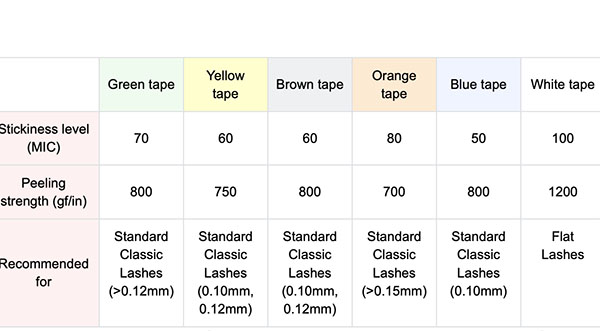
Colors of Tapes: Tapes can absolutely be customized in the color that your brand desires; however, when you work with a lash manufacturer, there are specific colors that lash manufacturers use to indicate the adhesive strength of the tapes. Make sure that you use stickier tape for thicker lash extensions. Here’s the tape diversity (the stickiness level indicates the attachment correlation between lashes and tape, while peeling strength indicates how much force it takes to peel the tape off the lash trays):
Green tape
Yellow tape
Brown tape
Orange tape
Blue tape
White tape
Stickiness level (MIC)
70
60
60
80
50
100
Peeling strength (gf/in)
800
750
800
700
800
1200
Recommended for
Standard Classic Lashes (>0.12mm)
Standard Classic Lashes (0.10mm, 0.12mm)
Standard Classic Lashes (0.10mm, 0.12mm)
Standard Classic Lashes (>0.15mm)
Standard Classic Lashes (0.10mm)
Flat Lashes
In conclusion, it’s crucial to carefully consider whether the tape height is suitable for your lash length and if the stickiness level is sufficient to hold the thickness of your classic lashes. Manufacturers are well-versed in these aspects, making it imperative to collaborate with a reputable manufacturer to ensure your classic lash trays are meticulously crafted with the right tape. For colored classic lashes, you can inquire with manufacturers about the availability of customized tapes to complement your ordered colored lash extensions.
Quality of classic trays
When selecting classic lash trays, the quality of the components plays a pivotal role in achieving stunning and durable lash extensions. Dive into the crucial aspects of classic trays, ensuring your choice aligns with precision, consistency, and the desired aesthetic for your clients.
Density of Lashes on Strips: The lash line’s density on classic trays is influenced by the techniques employed during PBT fiber arrangement. Flat lash trays, crafted with meticulous techniques, often exhibit denser lash lines with closely packed strands. While standard classic lashes are generally less dense, it’s essential to avoid trays that are overly sparse, ensuring an adequate number of lash strands in each line.
Consistency of Lashes: Precision is key, with each lash strand cut to the same length within a single line. Consistent curls are maintained throughout the tray, and the lash line should feature a straight and orderly arrangement. Criss-cross lash extensions can complicate application, so opt for trays with thick, evenly spaced black lashes for a uniform appearance.
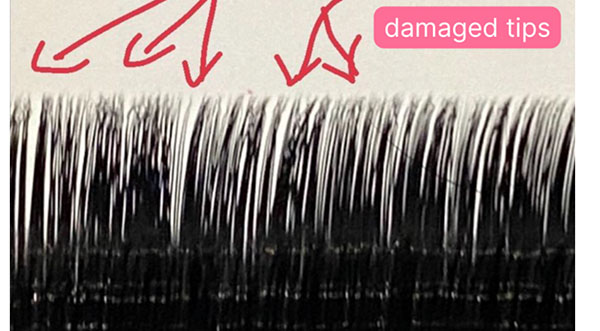
Perfect Tips: Every classic lash extension should present a flawless appearance without any signs of breakage or damage at the tips or along the lash body.
Curl-Holding Ability: While not visually observable, you can inquire with your suppliers, particularly manufacturers, about the temperature and heating processes involved in curling the lashes. High-quality PBT fibers ensure a longer-lasting curl, whereas cheaper acrylic alternatives may lose curls more easily.
Semi-Matte Finish: Avoid classic lashes with a glossy, plasticky finish, as customers often perceive this negatively. Opt for lashes with a semi-matte finish, offering a natural look that closely replicates the appearance of natural lashes.
Soft & Lightweight: Essential features for classic lash trays include softness and lightweight design. Lashes should be comfortable for daily wear, providing a pleasant experience for clients throughout the weeks of extension longevity.
Foil-Backed Strip: The strip (also referred to as tape) should be easily detachable from the trays without leaving any glue residues. A foil-backed strip streamlines the process for lash artists, saving time and ensuring efficiency during application.
In the competitive landscape of lash artistry, investing in high-quality classic lash trays ensures not only client satisfaction but also the efficiency and ease of application for lash artists. Paying attention to density, consistency, tips, curl-holding ability, finish, softness, and practical features like a foil-backed strip guarantees a superior lash extension experience for both the technician and the wearer.
Other factors worth taking into account when purchasing classic lash trays
When investing in classic lash trays, various factors beyond the product itself merit careful consideration. Beyond the lashes’ quality, these aspects can impact your overall experience and business success.


Price: The cost of classic lash trays is a crucial factor, but it should be balanced with the quality and features offered by the supplier.
Private-Labelling Options: For lash brands, private-labelling is a top consideration. Ensure that your supplier offers the desired customization at competitive prices. The supplier’s willingness to understand and fulfill your specific needs is equally important.
MOQ (Minimum Order Quantity): MOQ is essential, especially for those on a tight budget or new to a supplier. Choose a supplier with an MOQ that aligns with your planned order quantity to manage costs and minimize potential risks.
Shipping Policy: Consider your preferred shipping options and compare the shipping fees across different suppliers. Be cautious of excessively high shipping costs and opt for suppliers with reasonable rates.
Returns & Refunds Policy: Inquire about the supplier’s policies regarding returns and refunds. Understand the conditions under which returns and refunds are allowed, the process involved, and the timeframe for resolution.
Warranty: While not common, some reliable lash suppliers offer warranties as a testament to their commitment to quality. If dealing with a new supplier makes you uneasy, a warranty can alleviate concerns. For instance, Vinlash, a reputable Asian lash manufacturer, provides a notable 1-year warranty for lash curl holding, showcasing their dedication to quality assurance.
Considering these factors alongside lash quality ensures a comprehensive evaluation, paving the way for a successful and satisfying business partnership.
Vinlash is a trustworthy lash supplier for your classic lash tray orders
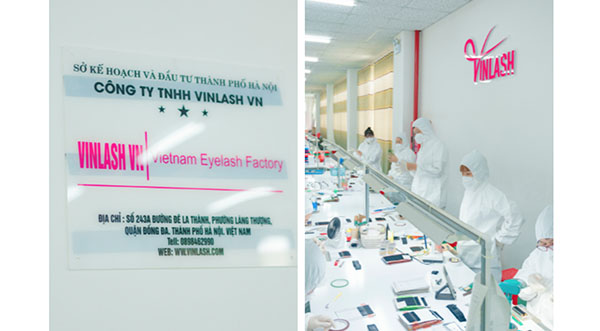
Vinlash is a trustworthy lash supplier for your classic lash tray orders. As a stable-standing lash manufacturer with a production facility in Vietnam, we specialize in crafting and distributing classic lash trays globally. With a competitive advantage in producing top-notch classic eyelash extensions, Vinlash Vietnam has earned the trust and established long-term partnerships with many lash brands worldwide.

Vinlash offers an extensive range of classic lash extensions, including regular classic lash trays and flat classic lash trays. Our product line includes mink and silk lash extensions, available in various lengths ranging from 5mm to 20mm, diverse curl types, and thickness options of 0.1mm, 0.12mm, 0.15mm, 0.18mm, and 0.20mm.
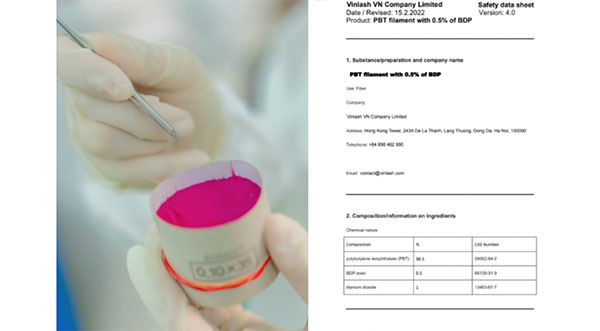
All classic lash trays made by Vinlash use top-quality PBT filaments imported from our esteemed supplier in Korea. Our lashes undergo a stringent quality control process, including thickness gauging, inspecting and sorting lash filaments, and a specialized production process involving PBT filaments shaping, cutting, rolling, baking, and packaging. Each lash line is meticulously inspected by our QC staff to ensure it aligns with specifications regarding curl, thickness, and length.
Vinlash provides lash brands with comprehensive customization options, allowing for the mixing of lash specifications in one classic lash tray based on specific requirements. Additionally, we offer design services for packaging, brand labels, and logos at no extra cost. Lash brands can choose between acrylic trays or sturdy carton trays for classic lash extensions, with various printing, laminating, debossing, embossing, hot stamping, or foiling text options available.
At Vinlash, we go beyond being a lash supplier; we are your dedicated partner in elevating your lash brand. With a commitment to quality, customization, and customer satisfaction, we ensure that every classic lash tray meets the highest standards. Join the ranks of satisfied lash brands that have chosen Vinlash for their classic lash orders, and let us be the catalyst for your brand’s success in the dynamic world of eyelash extensions.
FAQs
When navigating the world of classic lash trays, several questions may arise. Here are some frequently asked questions to guide you in making informed decisions:
Where should I buy classic lash trays from?
For small to medium lash spas, consider sourcing classic lash trays from reputable lash brands like BL, Lost Artistry, London Lash, or Lash Jungle, which is one of the top wholesale eyelash suppliers Australia. Larger lash studios or brands may find manufacturers more suitable, offering factory-direct prices, customization options, and insights into product manufacturing.
What are cashmere lashes?

Cashmere lashes are another term for flat lashes. Some brands may claim distinctions, stating that cashmere lashes have a split tip. However, this can vary, so it’s advisable to inquire about specific features, especially the tip, when purchasing cashmere lashes from any brand.
Where can I find a reliable lash supplier for classic lash trays?
Locating a reliable lash brand is relatively straightforward due to their visibility and marketing efforts. On the other hand, finding a trustworthy lash manufacturer can be challenging as they prioritize production over branding. Referrals may not be helpful, as businesses guard reliable manufacturers as a key to their success. Research, reach out to manufacturers, request samples, and go through trial and error until you establish contact with a reliable manufacturer. While this process can be exhausting, time-consuming, and sometimes discouraging, the effort pays off in the long run. If you’re fortunate to find a reliable supplier from the start, cheers to your luck!
Navigating the realm of classic lash trays requires careful consideration and informed decision-making. Whether you opt for established lash brands or seek direct collaboration with manufacturers, these FAQs aim to guide you through common queries. Remember, the lash industry is dynamic, and your journey might involve exploration, trial, and adaptation. Stay curious, stay informed, and may your lash ventures be adorned with success and satisfaction. Cheers to your flourishing lash endeavors!
Conclusion
In conclusion, the careful selection of classic lash trays is paramount for a thriving lash business. By prioritizing quality, customization, and reliable suppliers, you ensure a foundation for client satisfaction and business success. Cheers to the artistry of lashing and making informed decisions.