BREVARD HISTORY: Monkey Island to Dodge City – Inside Brevard’s Long Forgotten Theme Park
By Space Coast Daily // November 29, 2025
Tropical Wonderland in Titusville Endorsed By Tarzan Actor Johnny Weissmuller
By the time the sun set over the Indian River in the early 1960s, you could still hear it from U.S. 1 — the whistle of a little train, the thrum of electric boats slicing through artificial canals, and, on the hour, the staged gasp of a frontier crowd as another outlaw “met his fate” under the gallows in Dodge City.
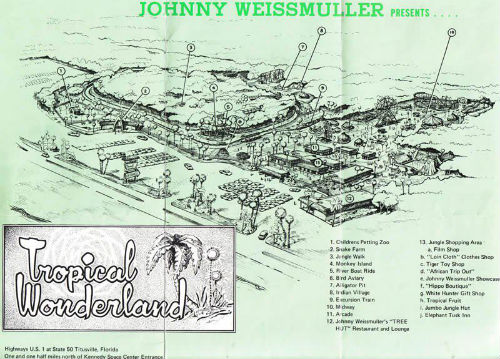
Just south of State Road 50 in Titusville stood a 50-acre fantasyland that promised families a tour of the American West, the tropics, and the wild — all in one afternoon.
It was called Florida Wonderland when it opened in 1959, the brainchild of entrepreneur Herbert Clay “H.C.” Kirk and his wife, who believed Central Florida could host a destination attraction long before “theme park” became a household phrase.

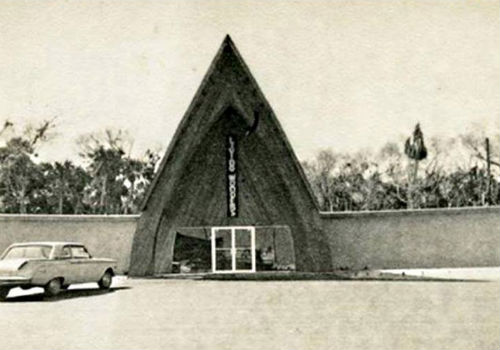
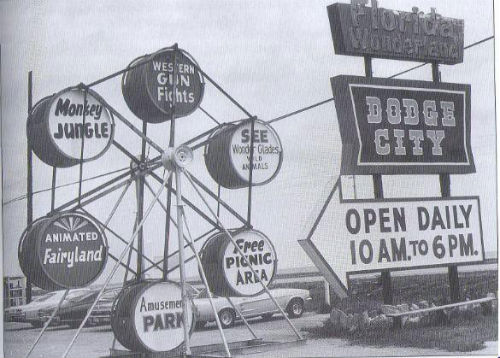
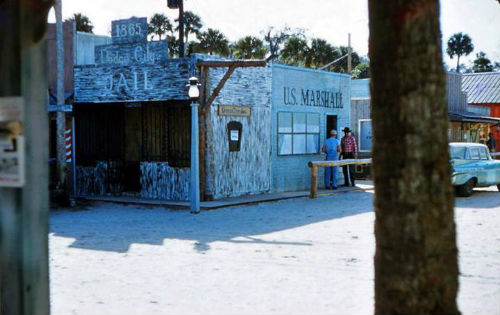
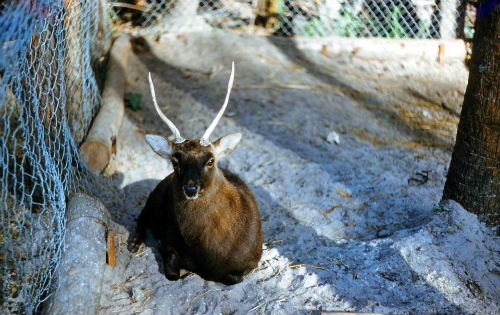
Within its gates were an Old West town patterned after TV’s Gunsmoke, animal exhibits, a reptile chalet, train rides, and watery pathways that wound past wooden bridges and palm-dotted islands.
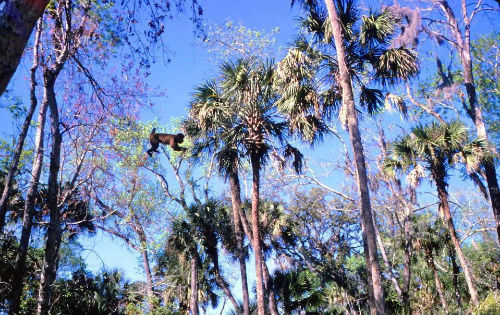
The most famous of those islands — Monkey Island — became a must-see, with free-roaming primates that turned every visit into a story you’d retell on the ride home.
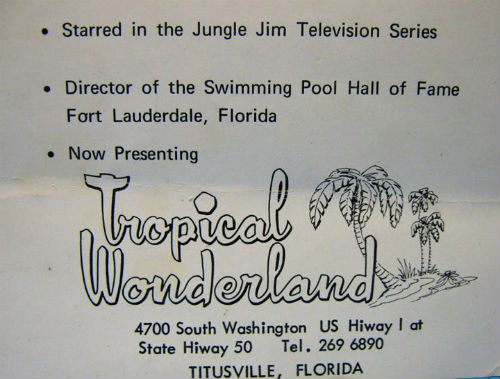
Then, in 1971, Florida Wonderland shed its original name and slipped into something bolder: Tropical Wonderland.
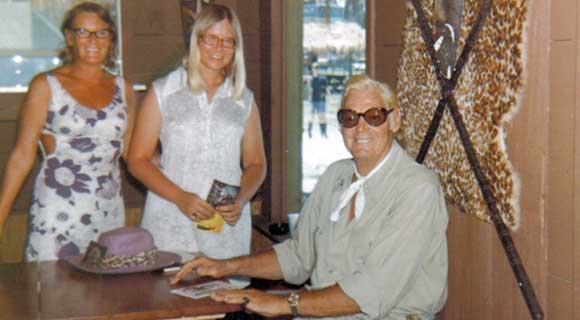
The rebrand came with a stamp of celebrity — Johnny Weissmuller, the Olympic swimmer-turned-movie star who forever defined Tarzan, lent his name and swagger to the park. For a time, it worked like magic.
Weissmuller appeared in person, signing autographs and photos. The jungle king had arrived on the Space Coast, and attendance surged.
Inside the gates, the experience was a mashup only Florida could pull off.
In Dodge City, actors played Marshal Dillon and Miss Kitty, and the Long Branch Saloon poured sodas under swinging doors. Every hour, a mock “hanging” drew spectators who knew it wasn’t real — but loved it anyway.
Elsewhere, families fed goats, ogled reptiles, and navigated canals by electric boat. Food stands and souvenir shops gave the place a fairground feel, and the train stitched the daily rhythm together as it puffed from attraction to attraction.
One former cast member, actor Cliff Rouse, who played the “Apache Kid,” later recalled crowds so thick the town felt besieged — estimates as high as 30,000 to 50,000 guests a day during peak periods.
For Titusville, a city poised between old Florida and the dawning Space Age, Tropical Wonderland was both escape and engine: jobs, traffic, and the warm sense that something special was happening just down the highway.
But the good times proved fragile. The late 1960s brought a slowdown, and while Weissmuller’s endorsement briefly revived the park, controversy followed.
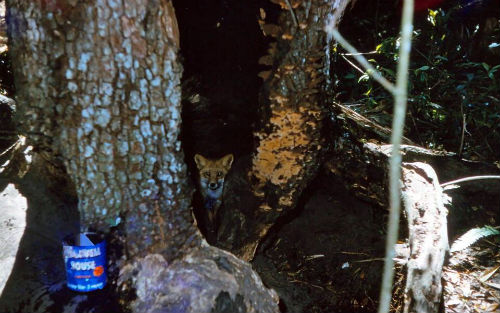
Allegations of animal mistreatment surfaced in later reporting and recollections, coupled with a long list of legendary escapes that locals still recount. The most tragic involved “Wanda,” an elephant who wandered onto U.S. 1 and was struck by a truck, an event that has lingered like a cautionary tale in community memory.
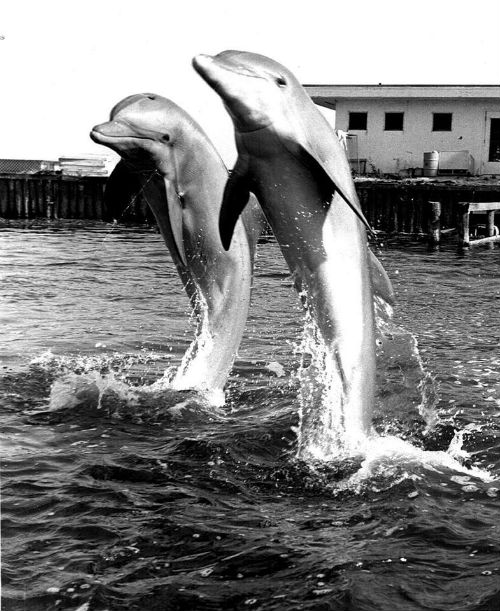
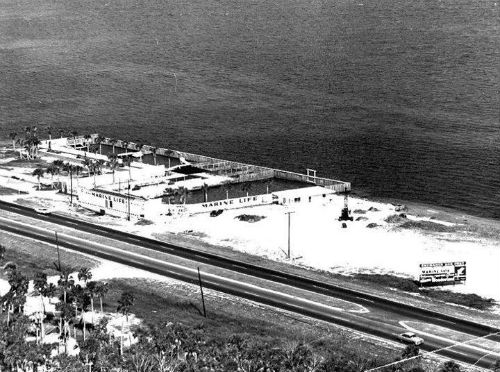
Across the road, another experiment in wonder blinked to life and out again. Marine Life Park, a short-lived attraction built opposite Tropical Wonderland, offered porpoise shows, a pettable manatee, and displays of rays and sea turtles — an aquatic complement to the jungle next door. It closed around 1967.
Today, the Kennedy Point Yacht Club & Marina marks that site, its sail masts replacing splash tanks and bleachers.
When Walt Disney World opened in October 1971, Central Florida’s entertainment gravity shifted overnight. By 1973, Tropical Wonderland had closed for good.
Weissmuller’s name was gone; the crowds thinned. Ownership eventually passed to H.C. Kirk’s son, Bob, after his father died in 1978. Nature, patient as ever, reclaimed most of what was left.

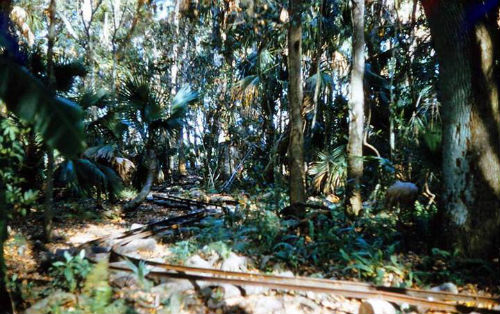
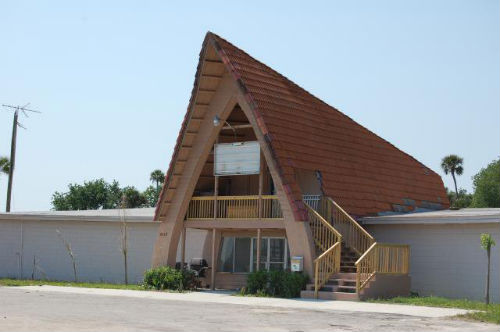
Now, if you know where to look, you can still find the bones of the dream: a forgotten canal, cracked concrete, a patch of tile where exhibits once shimmered. And there’s the rumor — half folklore, half insistence — that descendants of Monkey Island still roam the woods near what was once called Indian River City.
In a state famous for reinvention, Tropical Wonderland occupies a special place.
It was a homegrown park with Hollywood glamour, a frontier town with a jungle heart, and a reminder that Central Florida’s attraction era didn’t start with a castle. It started with a cowboy, a crocodile, a whistle-stop train — and Tarzan, swinging through Titusville on borrowed vines.
Today, as riverfront condominiums, marinas, and restaurants redefine the corridor, the park survives in scraps of photos, yellowed clippings, and stories told by grandparents who once watched a noose drop on cue in Dodge City — and then hurried the kids to see the monkeys.
(All images are courtesy of the Florida/Tropical Wonderland Facebook page)

 Related Story:
HOT OFF THE PRESS! November 10, 2025 Space Coast Daily News – Brevard County’s Best Newspaper
CLICK HERE FOR BREVARD COUNTY NEWS