Blue Origin Seeks State Approval to Discharge Millions of Gallons of Wastewater into Indian River
By Space Coast Daily // December 1, 2025
Brevard County Commission to discuss the proposal on Tuesday
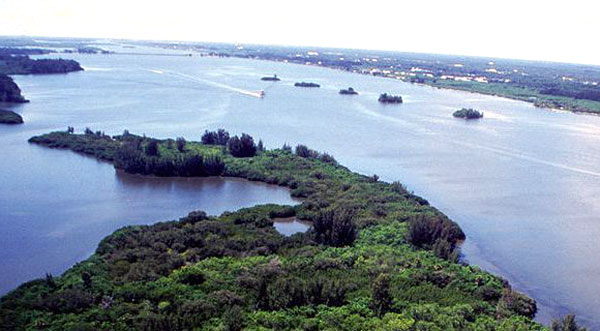
BREVARD COUNTY, FLORIDA – Blue Origin is seeking state approval to continue discharging millions of gallons of wastewater into the Indian River, a proposal that is drawing close attention from local officials and residents concerned about environmental impacts on one of Florida’s most fragile ecosystems.
The Brevard County Commission is scheduled to discuss the company’s permit request during its meeting on Tuesday, Dec. 2, at 5 p.m.
While county commissioners do not have the authority to approve or deny the permit, they are expected to consider whether to send a formal letter to the Florida Department of Environmental Protection (FDEP) urging the agency to hold a public meeting on the issue.
The proposal centers on renewing an existing permit under which Blue Origin has operated for nearly 5 years. According to draft documents submitted to the state, the company is requesting authorization to discharge an average of 0.467 million gallons per day (MGD) of process wastewater and an additional 0.015 MGD of non-process wastewater into a large on-site stormwater pond covering nearly 403,000 square feet. From there, the water would flow into the Indian River.
The documents indicate that only a portion of the wastewater would be treated in the stormwater pond before it ultimately reaches the lagoon system.
The request has prompted heightened scrutiny due to the Indian River Lagoon’s long-standing environmental challenges.
The estuary, which runs along Florida’s east coast and includes the Indian River, has endured years of water quality degradation, harmful algal blooms, seagrass loss, and declining wildlife populations.
Residents and environmental advocates have increasingly raised concerns about adding new or continued wastewater discharges to an already stressed ecosystem.
County officials say they have received inquiries from constituents worried about how the discharges could affect water quality, marine life, and nearby communities.
While the commission cannot halt the permit process, commissioners can formally request that FDEP hold a public meeting, which would allow residents to ask questions, voice concerns, and receive additional information about the proposal.
FDEP will make the final decision on whether to grant the permit. The county commission is expected to vote Tuesday evening on whether to formally request a public meeting from the state before that decision is made.
For now, the Tuesday meeting marks the community’s first formal opportunity to push for greater public involvement as state regulators review a proposal that could have long-term implications for the Indian River Lagoon.
 Related Story:
HOT OFF THE PRESS! November 24, 2025 Space Coast Daily News – Brevard County’s Best Newspaper