How to Exploit a Forex Demo Account to Learn Index Trading?
By Space Coast Daily // January 25, 2026
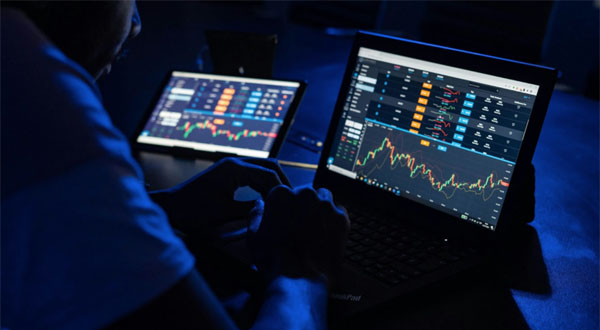
Learning index trading can feel abstract at first. Charts move quickly, headlines influence price, and everything seems connected to everything else. For many people, the hardest part isn’t understanding what an index is; it’s learning how it actually behaves when real money isn’t on the line yet. That’s where demo accounts quietly earn their value.
A forex demo account isn’t just a practice tool for currencies. Used properly, it can be one of the most effective ways to understand how indices move, react, and sometimes mislead.
Why Indices Are a Good Learning Ground
Indices behave differently from individual stocks. They don’t jump because one company misses earnings. They move because of broader forces: interest rates, inflation data, economic growth, and political risk.
That makes them ideal for learning market structure. Instead of tracking dozens of company-specific details, you can focus on:
- How markets respond to economic news
- How sentiment shifts across sessions
- How trends form and lose momentum
For beginners, that wider lens often feels more manageable.
What a Demo Account Actually Teaches You
A demo account removes financial pressure, but it doesn’t remove behaviour. People still hesitate. They still overthink entries. They still exit too early or too late.
That’s useful.
When trading indices in a demo environment, patterns start to emerge in your decisions. You notice when you chase moves, when you ignore context, and when you act out of boredom rather than intention. Those lessons tend to stick far better than theory.
Turning Practice Into Something Meaningful
The biggest mistake people make with demo accounts is treating them like games. Random trades, no plan, no review. That approach teaches very little.
Instead, a demo account works best when used with a narrow focus. For example:
- Trade only one or two indices
- Limit the number of trades per day
- Write down why each trade was taken
- Review outcomes without judging them
Learning Strategy Without the Risk
The best index trading strategies still require context. A demo account allows experimentation without consequence. You can test how indices behave during:
- Major economic announcements
- Quiet trading sessions
- Periods of rising or falling volatility
Over time, this builds familiarity. You stop reacting blindly and start recognising situations you’ve already seen play out.
Why Forex-Based Demo Accounts Still Work for Indices
Even though indices aren’t currencies, forex demo accounts often include them. That combination is useful. Currencies and indices are closely linked through macro data, interest rates, and risk sentiment.
Watching both in the same environment helps you understand why an index moves when a currency strengthens, or why risk-off flows affect multiple markets at once.
It’s less about the asset and more about the relationship between them.
Choosing Where to Practise
Not all demo environments feel the same. Data quality, execution behaviour, and available markets matter, even in practice mode.
Many traders start learning through platforms offered by brokers like Eurotrader, simply because the demo conditions are designed to mirror live environments as closely as possible. That realism helps reduce surprises later on.
Practice That Actually Pays Off
A demo account won’t teach instincts overnight, but it does give space to make sense of how indices move without pressure. The value isn’t in perfect trades; it’s in repetition, awareness, and learning how markets behave when no one’s watching. Used properly, that quiet practice often makes the real transition far less intimidating.
FAQs
Is a demo account useful even without real money involved?
Yes. It helps build process, awareness, and familiarity without emotional pressure.
Can index trading really be learned through a forex demo account?
It can. Indices and currencies often react to the same macro forces.
How long should someone use a demo account?
Long enough to feel consistent, not just confident. There’s no fixed timeline.
Do demo results reflect live trading exactly?
Not perfectly, but they’re close enough to build useful habits.
Should beginners focus on one index or many?
Starting with fewer markets usually leads to clearer learning.