
How to Remove Unwanted Soil in Melbourne?
By Space Coast Daily // November 24, 2022
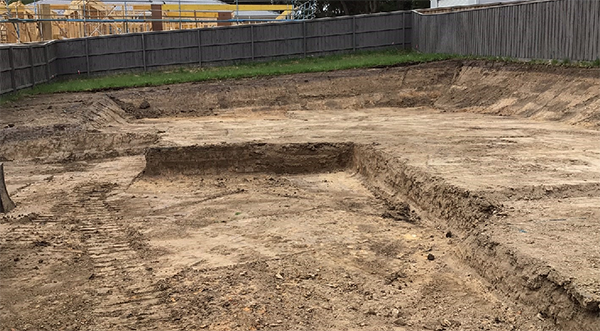
If you own a property, you probably have some unwanted soil on your property that you would like to remove, and the task of soil removal in Melbourne can be difficult.
Did you know that soil removal helps you prevent the growth of undesirable plants and avoid the unsightly view of waste soil? If you wish to remove soil from your property, you have landed in the right place. In the blog post, we have prepared some tips to assist you in getting rid of unwanted soil in Melbourne.
Many believe one can dispose of soil in the general waste wheelie bin, which is incorrect as one cannot mix garden waste with domestic waste. And your dustbin will remain unemptied if it contains any garden waste.
The article contains some tips and the most common ways to dispose of your unwanted soil.
Tops Tips To Remove Unwanted Soil
Hiring a Waste Clearance Service
If you wish to remove unwanted soil, you could hire a waste clearance service that will come to your place and collect your soil and garden waste. However, there are some things to keep in mind while choosing a waste clearance company for garden waste collection.
Firstly, they must be licensed to remove waste and have a license with the Environment Agency. Waste removal services have the necessary experience for collecting any garden waste you have, including unwanted soil.
They will take care of all your waste removal needs speedily and reliably and have an environmental commitment to composing all green waste for environmental safety.
Consider Hiring a Skip
Apart from using waste clearance services, you can hire a skip for removing garden waste, as this way, you can load up your undesirable soil at your convenience. After you fill a skip with the unwanted soil, the skip company will then dispose of the soil safely.
Moreover, as previously mentioned, the skip company you hire must also have a license to collect and dispose of soil waste safely.
Skip companies offer a wide variety of skip sizes that one can use in gardens for waste clearance, depending on the amount of soil you need to remove. You can choose which skip size would suit you best, and the skip company will drop off the skip and arrange collection of waste soil when required to dispose of the waste in an environmentally friendly manner.
Placing a Local Advertisement
What is a waste for you may be someone’s treasure. Therefore, the excess soil stockpiled during site cuts, bulk excavations or renovations meant for waste disposal could be useful for someone else.
We never know who may need the excess soil and would be willing to buy it per cubic meter of soil. To let people in need of the soil, you need the assistance of local advertisers to get the word out.
One can start by asking friends and neighbors; perhaps you might be able to find someone among your acquaintances in the area who needs it for various landscaping or construction projects.
Moreover, if you happen to live in a farming area, you can speak to local farmers, who can share ideas for using even low-quality soil. Apart from this, you can create a local as for the surplus garden soil you have, list the type of earth (topsoil, sand, or clay) and sell your soil faster to potential buyers.
Use it for a DIY project
If you have high-quality garden soil in your yard heaped up during excavation or site cut projects, you can put it to good use to turn your backyard into an oasis without wasting the soil.
However, you must ensure the soil quality is worth gardening, and you can determine the same with certain functional soil tests on the leftover soil.
The soil collected from site cuts, and excavations, are best suited for renovation or landscaping projects. The best way to use this is to utilize the excess soil as a raised flower bed base or fill some old pots with used earth to make it easier to move the soil around while tending them.
However, before planting anything into your garden beds, one must consider testing the soil first.
The best soil tests will help you determine the right type of plants that will grow best in the soil. The tests will also help determine potential problems that may develop later during soil plantation.
If you find your soil to be any less than great, there are several ways to improve it. One can dig in organic materials such as well-rotted leaves and add fertilizers to the soil for optimal results.
Authorizing Potential Takers
One can also dispose of unwanted soil by placing a “free earth” sign around the house or yard to let others know that you have excess soil for the use of others. It is crucial to ensure that you are available whenever someone needs the excess soil.
One can also leave the contact information on the free sign on any corner of the board. If you are a member of the house owner association, it would be much more convenient for you to take permission from them too.
Conclusion:
Dirt and soil removal for unwanted soil from your property can be a difficult task, but hopefully, these tips will help ensure the process is made easier. If you have any questions or queries and need assistance, you can contact a local expert for guidance.















