
Crafting Digital Experiences: The Harmonious Blend of Web Application Development Services and Front-End Mastery
By Space Coast Daily // November 20, 2023
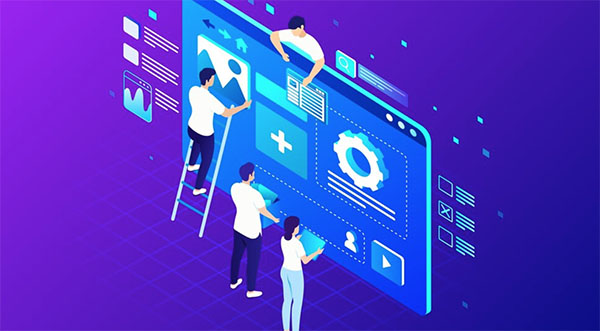
In the rapidly evolving landscape of digital interactions, the synergy between web application development services and front-end development plays a pivotal role in shaping user experiences.
From the underlying architecture of a web application to the user interface that captures attention, these two elements collaborate to create seamless, visually appealing, and functional digital solutions. This article delves into the intricacies of web application development services and front-end development, exploring their individual contributions and the magic that happens when they converge.
Understanding Web Application Development Services
Web app developers know that web application development services encompass a spectrum of activities involved in creating dynamic, interactive, and responsive applications that operate on web browsers. These services extend beyond mere website creation, delving into the complexities of crafting applications that can perform intricate functions, handle data, and provide personalized user experiences.
One of the key aspects of web application development is the back-end architecture. The back-end, often referred to as the server side, involves the server, database, and application logic. Web application development services excel in creating robust back-end structures that handle data securely, execute complex algorithms, and ensure the smooth functioning of the application.
Additionally, these services address scalability, ensuring that the application can handle varying levels of user traffic without compromising performance. The development team collaborates to build a solid foundation, employing technologies such as server-side scripting languages, databases, and server management systems. This strategic approach lays the groundwork for a responsive, efficient, and scalable web application.
The Artistry of Front-End Development
While web application development services focus on the behind-the-scenes functionality, front-end development services are the artistic face of digital experiences. Front-end development deals with the user interface (UI) and user experience (UX) aspects, aiming to create visually appealing and intuitive designs that engage users. The front-end is what users see and interact with, making it a critical component of any digital product.
Front-end developers leverage a combination of programming languages such as HTML, CSS, and JavaScript to bring designs to life. HTML provides the structure, CSS adds style and layout, and JavaScript introduces interactivity. The artistry lies in seamlessly combining these elements to create a user interface that not only aligns with the brand identity but also enhances the overall user experience.
Responsiveness is a key consideration in front-end development. With the proliferation of various devices and screen sizes, front-end developers ensure that web applications adapt to different environments, providing a consistent and enjoyable experience across platforms. Techniques like responsive design and mobile-first development are employed to address this need, catering to the diverse ways users access digital content.
The Convergence: Creating Seamless User Journeys
The collaboration between web application development services and front-end development is where the true magic happens. It’s at this intersection that functionality meets aesthetics, and user journeys are crafted with precision. Here are the key aspects of their convergence:
- User-Centric Design: The collaboration ensures that user-centric design principles are embedded in the development process. Front-end developers work closely with web application development teams to translate user requirements into visually appealing interfaces. This user-focused approach results in intuitive designs that prioritize ease of use.
- Efficient Communication: Effective communication between back-end and front-end developers is crucial for seamless integration. Web application development services provide APIs (Application Programming Interfaces) that allow front-end developers to interact with the back-end functionalities. This communication ensures that data is exchanged seamlessly, enabling the dynamic features envisioned during the development phase.
- Performance Optimization: The convergence of these services emphasizes performance optimization. Front-end developers optimize assets like images and scripts to enhance load times, ensuring that users experience swift interactions. Simultaneously, the back-end is optimized for speed and efficiency, creating a harmonious balance between a visually engaging front-end and a high-performing back-end.
- Adaptability and Iteration: In the dynamic digital landscape, adaptability is key. The collaboration enables iterative development, where features can be refined based on user feedback. Front-end developers can iterate on the user interface, while web application development services can update functionalities in response to evolving user needs. This adaptability ensures that the digital solution remains relevant and responsive to changing requirements.
- Cross-Browser Compatibility: The collaboration addresses cross-browser compatibility, ensuring that the web application functions consistently across various browsers. Front-end developers employ techniques to handle browser-specific quirks, while web application development services ensure that the back-end logic is robust and agnostic to different browser environments.
Challenges and Solutions: Bridging the Gap
While the collaboration between web application development services and front-end development is powerful, it does come with its share of challenges. One common challenge is ensuring consistent communication between the two teams. Clear documentation, regular meetings, and collaborative tools can bridge this gap, fostering effective communication.
Another challenge lies in maintaining a balance between aesthetics and functionality. Ensuring that the design aligns.















