
How Does High Pressure Reactor System Work
By Space Coast Daily // March 23, 2024
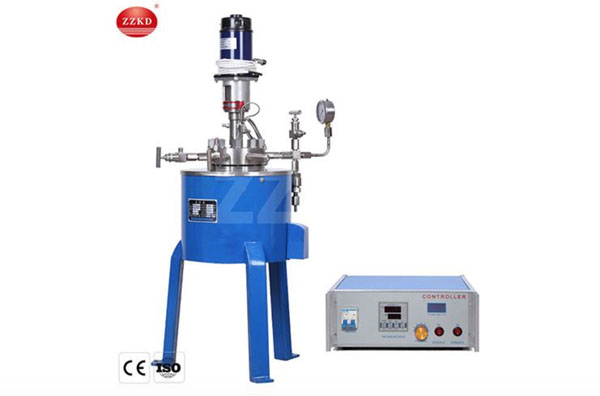
High pressure reactor system is a setup used in chemical and biochemical processes to carry out reactions under elevated pressures and temperatures.
These systems are designed to handle the unique challenges of working with high pressures, such as ensuring the safety of operators and maintaining the integrity of the reaction vessel.
Features of high pressure reactor system
Pressure Rating: High-pressure reactor systems are designed to withstand pressures ranging from a few hundred to several thousand psi (pounds per square inch), depending on the application.
Temperature Control: These systems include heating and cooling mechanisms to control the temperature of the reaction. This can be achieved using heating mantles, jacketed vessels, or external temperature control units.
Stirring Mechanism: High-pressure reactors are equipped with stirring mechanisms to ensure thorough mixing of reactants. This can be achieved using magnetic stirrers, mechanical stirrers, or ultrasonic stirrers.
Pressure Relief Devices: To prevent over-pressurization, high-pressure reactor systems are equipped with pressure relief devices, such as rupture discs or relief valves, that automatically release pressure when it exceeds a certain level.
Safety Interlocks: These systems are often equipped with safety interlocks that automatically shut down the system in case of an emergency, such as a loss of cooling or heating.
Material of Construction: High-pressure reactor systems are typically constructed from materials that can withstand high pressures and temperatures, such as stainless steel, Hastelloy, or glass-lined steel.
Control System: Many high-pressure reactor systems are equipped with a control system that allows for precise control over parameters such as temperature, pressure, and stirring speed.
Accessories: Depending on the specific application, high-pressure reactor systems may include accessories such as sampling ports, sight glasses, and additional ports for adding reagents or catalysts.
Safety Features: High-pressure reactor systems are designed with safety in mind and include features such as pressure relief devices, safety interlocks, and alarms to ensure safe operation.
How does high pressure reactor system work
Loading the Reactor: The first step is to load the reactants into the reactor vessel. The reactants are typically added in the desired quantities and concentrations.
Sealing the Reactor: Once the reactants are loaded, the reactor vessel is sealed to prevent leaks. The sealing mechanism may include a lid, O-rings, and clamps to ensure a tight seal.
Pressurizing the System: The next step is to pressurize the system to the desired pressure using a pressure source, such as a gas cylinder or compressor. The pressure is controlled using pressure regulators and monitored using pressure gauges.
Heating the Reactor: The reactor is then heated to the desired temperature using a heating source, such as a heating mantle or jacket. The temperature is controlled using temperature sensors and controllers.
Mixing the Reactants: To ensure thorough mixing of the reactants, the system is equipped with a stirring mechanism, such as a magnetic stirrer or mechanical stirrer.
Monitoring the Reaction: Throughout the reaction, the system is monitored for parameters such as pressure, temperature, and stirring speed. This is done using sensors and control systems.
Cooling the Reactor: Once the reaction is complete, the reactor is cooled using a cooling system, such as a circulating bath or chiller. This helps to safely depressurize the system and prevent overheating.
Recovering the Products: After the reactor has been cooled and depressurized, the products of the reaction can be recovered from the reactor vessel.
Cleaning and Maintenance: Finally, the reactor system is cleaned and maintained to ensure its continued safe and efficient operation.













