
Herbarium Cabinets: Preserving Botanical Treasures
By Space Coast Daily // April 16, 2024
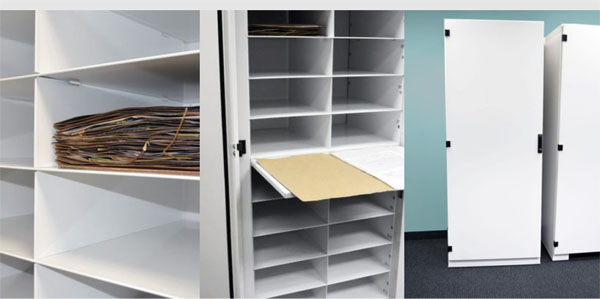
For enthusiasts and researchers, safeguarding nature’s beauty and wisdom has always been a priority. Herbarium cabinets serve as tools for preserving these living treasures, enabling scientists to delve into the rich tapestry of plant life.
In this blog, we will explore the significance of herbarium cabinets and how they contribute to safeguarding specimens for future generations.
Understanding Herbarium Cabinets
Herbarium cabinets for sale are storage units meticulously crafted to create ideal conditions for preserving dried plant specimens. These cabinets, crafted from materials like steel or hardwood, ensure longevity and robustness. Inside, adjustable shelves offer space to house a multitude of specimens securely.
The Significance of Preservation
Maintaining storage conditions is crucial for safeguarding fragile botanical gems. Herbarium cabinets fulfill this role by providing an environment that minimizes exposure, regulates humidity levels, and wards off pest invasions. Mitigating factors that could lead to deterioration or harm, herbarium cabinets play a significant role in prolonging the lifespan of these invaluable specimens.
Regulating Light Exposure
Overexposure to light can inflict harm on plant specimens stored within herbaria. Herbarium cabinets are designed with UV-filtered glass or solid wooden doors to block rays and address this issue.
Maintaining Humidity Levels
Humidity is crucial in preventing mold growth and preserving the quality of dried plants. Herbarium cabinets are constructed with seals and gaskets to ensure humidity levels inside the storage unit. Scientists can efficiently manage air circulation through ventilation systems.
Preventing Pests
Insects and pests pose a threat to plant specimens if left unprotected. Herbarium cabinets feature sealed doors and insect screens to deter pests from entering the storage area. Some models may also incorporate airtight components for added protection against insects.
Organizational Efficiency
An underestimated aspect of herbarium cabinets is their contribution to organizing specimens. The adjustable shelving units optimize storage space and allow for retrieval of items. Many commonly utilize standardized labeling systems to identify and categorize plant samples.
Preservation for Research and Education
Herbarium collections play a significant role in supporting research, education, and conservation endeavors. By housing an array of plant specimens from regions and periods, these collections serve as valuable resources for botanical knowledge. Herbarium cabinets enable researchers, students, and plant enthusiasts to examine specimens closely while preserving their integrity and longevity.
Exploring Climate Change
Herbarium collections become increasingly significant as the Earth’s temperatures climb and ecosystems transform. These archives serve as records that enable scientists to monitor changes in plant distribution patterns over time. Researchers can investigate how climate change impacts the habitats of various plant species by comparing specimens with distributions.
Identifying Plant Species
In plant diversity, accurate species identification is vital for progress and conservation endeavors. Herbarium cabinets store a range of documented specimens that serve as references for taxonomists and botanists involved in identifying or confirming new species.
Efficient Organization with Herbarium Cabinets
Organization is vital in managing any herbarium collection to ensure access and retrieval of plant samples. Herbarium cabinets have features that support organization, allowing storage space utilization and streamlined operations.
Use of Labeling Systems
Labeling systems are crucial in herbarium cabinets by ensuring the identification and classification of each plant sample. Following labeling practices, such as employing recognized labels, promotes consistency and clarity throughout collections. Typically, these tags contain details, like the type of species when it was collected, where they found it, and the name of the person who managed it. The holders for these tags are placed on shelves or sections inside the cabinet in the herbarium, making it convenient for curators to update or change them as needed.
To Summarize
Herbarium cabinets are crucial for safeguarding treasures and aiding studies. These specialized storage spaces create controlled conditions that shield delicate plant specimens from exposure changes in humidity and pests. With their layout maximizing storage efficiency, herbarium cabinets ensure easy access for researchers examining these valuable collections. Ultimately, by allowing botanists to explore the realm of plants spanning generations and continents, herbarium cabinets contribute to our comprehension and admiration of nature’s marvels.













