
Understanding Coupon Fraud and Its Ramifications
By Space Coast Daily // April 27, 2024
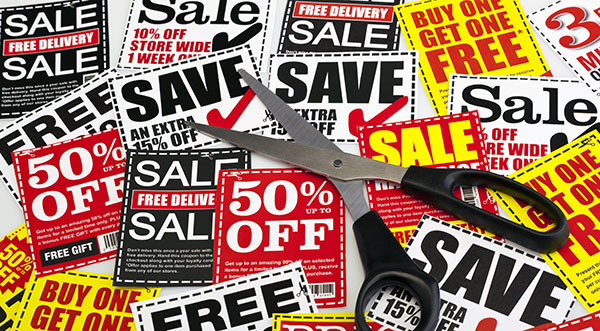
Parisian streets are known for their elegance, history, and even a love of a good deal. Voucher codes in France, or French authorized discount codes, are a secret weapon for budget-minded shoppers in France without any hassle.
Just imagine that you can get a discount on designer clothes or gourmet cheeses thanks to a handy voucher code. However, a growing problem can ruin your plans: coupon fraud.
What Is Coupon Fraud?
Coupon fraudsters use tricks to steal the benefits of real discounts. Here’s a breakdown of their most common methods:
- Fake Codes: Just like they sound, fraudsters create fake voucher codes that look almost identical to real ones. These can be sent online or printed to look natural, making it hard for stores and shoppers to spot couponing fraud.
- Cheating the System: This involves using voucher codes in ways they weren’t meant to be used:
- Expired Codes: Fraudsters might try to use codes that are already past their “use by” date. This could involve changing the date on a digital code or using an old printed code that looks valid.
- Stolen Codes: Criminals might steal real voucher codes through hacking or other means, and then use them for themselves.
- Exploiting Loopholes: Fraudsters love finding tiny mistakes or unclear wording in the rules of voucher codes. They then use these mistakes to get discounts in ways the store never intended. For instance, they might try to buy many cheap items to meet a minimum purchase requirement or use a code on products it wasn’t supposed to work for.
- Fake Code Makers: Websites and programs can now create massive amounts of fake voucher codes in a short time. These fakes can then be spread online or printed out to look real.
- Code Redeeming Robots: Special computer programs called “bots” can automatically redeem voucher codes. These bots can try to use a huge number of codes very quickly, overwhelming security checks and leading to fraudulent transactions.
The After Effects Of Coupon Fraud
Coupon fraud’s consequences extend far beyond a single disappointed shopper. Let’s explore the domino effect it creates:
For Businesses:
- Lost Money: Every fake voucher used to buy something takes money away from a business. This can add up quickly, especially if many fake vouchers are used.
- Damaged Reputation: If customers try to use fake vouchers and don’t work, they may lose trust in the business. This can hurt the business’s reputation and make it harder to attract new customers.
- Extra Costs: To stop people from using fake vouchers, businesses may need to spend more money on security measures. This can include buying special software or hiring more people to check for fake vouchers.
For Consumers:
- Frustration from Invalid Codes: Shoppers can spend time collecting voucher codes, but when they try to use them, they find out that the codes don’t work. This can be very annoying.
- Distrust of Voucher Codes: Because of all the fake codes, people might think that all voucher codes are fake. This means they might miss out on actual savings.
- Legal Problems: In some coupon fraud cases, using a stolen or fake voucher code could cause legal issues. This is not common, but it shows how important it is to be careful when using voucher codes.
What is The Punishment for Coupon Fraud?
If you’re caught doing coupon fraud, you could go to jail. For some people, this could mean spending much time in prison. Along with jail time, you could also have to pay a lot of money as a fine. This could be anywhere from a few hundred dollars to tens of thousands or more.
So, it’s best to stay away from coupon fraud. It’s not worth the risk of going to jail, paying a big fine, or losing your good name.
How To Beat Coupon Fraud?
Coupon fraud is a serious issue, but there are steps businesses, consumers, and technology providers can take to combat it. Here’s a breakdown of critical measures for a more secure voucher code system.:
Businesses
- Unique Codes: Use unique codes for each voucher to prevent counterfeiting.
- Digital Verification: Use one-time codes or QR codes for high-value vouchers.
- Secure Printing: Use high-quality printing with security features for physical vouchers.
- Clear and Unambiguous Terms & Conditions:
- Plain Language: Use easy-to-understand language for terms and conditions.
- Specific Exclusions: List any exclusions or limitations.
- Accessibility: Make the terms and conditions readily available.
Store
- Double-Check Online: For fancy vouchers, stores can use online verification. This might involve sending a unique code by text or scanning a special barcode at checkout.
- Clear Rules: No confusing instructions! Stores should write voucher code rules in plain English.
- Spell it Out: The rules should clearly say if certain items or brands are excluded from the discount.
- Easy-to-Find Rules: Don’t hide the voucher code rules! Make them evident on websites and flyers and right next to the code.
- Spotting Trends: Stores can use data analysis tools to see weird patterns in code use.
Shoppers
- Be Careful Where you get Codes: Not all websites or social media posts can be trusted. Stick to getting voucher codes from the store or brand you trust.
- Inspect the Code: Check paper coupons for damage or bad printing. For digital codes, be on the lookout for typos or weird formatting.
- Read the Fine Print: Don’t skip it! Take a minute to read and understand the voucher code rules before you use it.
- Report Fakes: If you run into a fake voucher code, let the store or website where you got it know.
Conclusion
Coupon cheaters can ruin the fun for everyone. But there’s good news! Stores can fight back with unique codes and clear rules. Shoppers can be smart by checking codes and reporting fakes. Follow this guide to stay clear of coupon fraudsters.














