From Cash to Crypto: The Rise of Digital Payment Methods
By Space Coast Daily // September 30, 2024
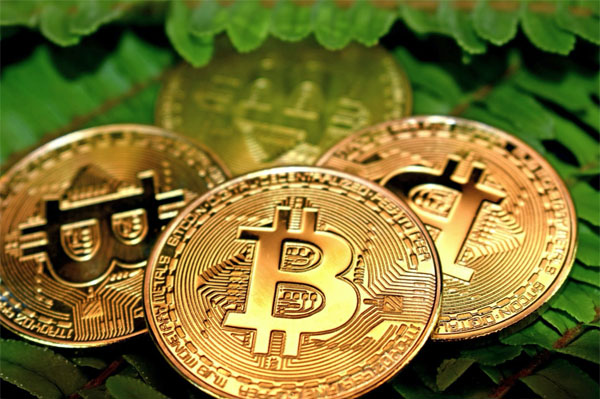
This trend moved from the use of cash, inclusive of credit cards, to cryptocurrencies.
This is a dramatic turn of face in the use of means applied to pay for things.
Others even say we’re on our way to moving toward a completely cashless society in which physical coins and bills will be a thing of the past.
But how, precisely, did we get here, and what does the future hold?
The Evolution of Payment Methods
All modes of payment have changed over the years. Cash is the oldest mode of payment.
It has been in use for thousands of years.
Now, very few people use it.
- Checks – A piece of paper through which a bank is ordered to pay a sum against your account. They were pretty in vogue before the use of the internet took over.
- Credit and Debit cards – Cards started becoming popular in the 1950s as they provided ease in making payments without having cash in your wallet or pocket.
- Online Payments: PayPal and other platforms let people pay online easily. These are secure but rely on the internet.
- Mobile Payments: Apple Pay, Google Wallet, and others use your phone for quick payments.
- Cryptocurrencies: Digital money like Bitcoin and Ethereum are the newest way to pay. They are decentralized, meaning they don’t rely on banks.
Every alternative has its pros and, of course, its cons: cash is easy to operate but dangerous to keep on oneself; cryptocurrencies are secure but difficult to understand and not widely accepted.
Comparing Methods of Payment
Here is a table comparing some of the most common modes of payment:
| Payment Method | Convenience | Security | Widely Accepted | Cost |
| Cash | High | Low | High | None |
| Credit/Debit Cards | Medium | Medium | High | Fees |
| Online Payments | High | High | Medium | Low Fees |
| Cryptocurrencies | Medium | High | Low | Variable |
From the table, we see that no payment method is perfect. Some are more convenient, while others are more secure.
The Role of Cryptocurrencies
They are a new variety of digital money coming into being and regulated through the use of blockchain technology.
Unlike regular money, the cryptocurrencies are decentralized, which means they are not managed or governed by any form of central bank or government.
They are also secure, deploying cryptography to safeguard transactions.
Tips for Using Cryptocurrencies
- Use Secure Wallets: Keep your cryptocurrencies in a secure wallet. It could be hardware or be an online service.
- Be Prepared for Volatility: Cryptocurrencies can move up or down quickly. Be prepared for values to change.
- Do Your Research: Not all cryptocurrencies are the same. Learn how it works before using it.
Benefits and Drawbacks of Digital Payments
Digital payments include mobile phone payments, and online transactions are fast becoming the norm.
Why?
Here are a few of the advantages:
- Convenience: You won’t have to carry cash. Just tap your phone or card.
- Security: Most of these forms of digital payments use encryption in some fashion to keep your information safe.
- Trackability: It is just so much easier to keep track of spending.
The cons are listed herein:
- Fees: There have been included charges in credit card transactions.
- Privacy: The financial history of a person may be tracked.
- Digital Divide: Everybody doesn’t have smartphones or access to the internet.
Casino Payment Methods
Coming to online casinos, everything is slightly different. In fact, players need quick and guaranteed means of depositing and withdrawing money .
Some main casino payment methods include credit cards, e-wallets, and even cryptocurrencies.
If you want to learn more about the best casino payment methods, you can check out these casino payment methods.
Using cryptocurrencies for online gambling can be both safe and private. But it is important to use a trusted platform.
What About the Future?
With increased technology, things could even become more different from how we pay for things today.
Following are a few of the trends that might shape up the future:
- Biometric Payments: Pay with your fingerprint or face.
- Voice Payments: Tell your phone or device to pay.
- Central Bank Digital Currencies (CBDCs): Digital forms of a country’s currency, issued and regulated by its central bank.
Some say cash will disappear in the near future, but some claim it will always exist to cover minor purchases or get people out of an emergency. What do you think?
Tips for Staying Safe with Digital Payments
Digital payments are convenient, but they come with risks. Here are some tips to keep your money safe:
- Use Strong Passwords: Always protect your payment apps and online accounts with strong, unique passwords.
- Enable Two-Factor Authentication: Add an extra layer of security by requiring a code sent to your phone.
- Check for Scams: Be cautious of phishing emails or messages asking for your payment details.
- Monitor Your Accounts: Regularly check your bank and credit card statements for any unusual activity.
Opinion: Should We Go Cashless?
Going cashless has its pros and cons. Digital payments are easier and often safer. But they depend on technology, which can fail.
For example, during power outages or network issues, cash is still reliable. Also, some people worry about privacy.
If everything is digital, it can be tracked.
My opinion? A mix of both seems like the safest bet for now. Cash for some situations, digital for others.
Conclusion
Digital payments have come a long way, from cash to cards to cryptocurrencies. Each has its strengths and weaknesses.
As technology advances, we may see new forms of payment that are even more secure and convenient.
The key is to stay informed, be cautious, and choose the right method for each situation.