
How Connections Boost Mental Health for Adults with IDD
By Space Coast Daily // September 28, 2024
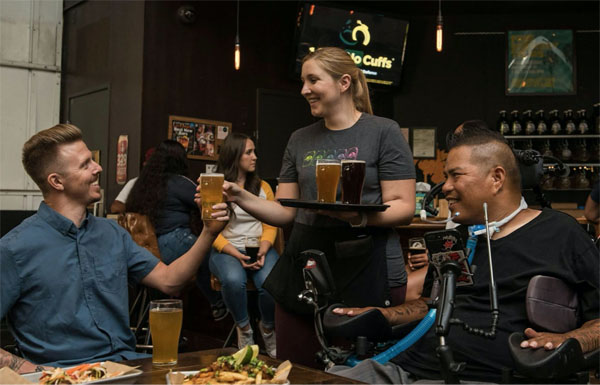
Community habilitation by OPWDD helps adults with intellectual and developmental disabilities (IDD) build real, meaningful relationships. These programs focus on developing social skills, which can make a big difference in their overall well-being.
When adults with disabilities join in community activities, it helps them connect with others, feeling more supported, and boosting their mental health. These connections help them feel like they truly belong, leading to fuller and more rewarding lives.
Why Peer Connections Are Vital for Mental Wellness
Social skills activities for adults with developmental disabilities are key to feeling mentally and emotionally healthy. Being involved in activities designed for them helps ease feelings of isolation and boosts their overall well-being. These peer interactions reduce anxiety and depression and provide opportunities to build lifestyle skills, learn empathy, and become more independent. In addition to emotional regulation, engaging in group activities also helps stimulate their cognitive functioning.
Building and Sustaining Meaningful Relationships
For adults with IDD, building meaningful relationships starts with learning the basics of peer interaction, and having the right support makes all the difference. Programs like OPWDD’s community habilitation are there to help, giving individuals the tools and confidence they need to connect with others.
It all begins with simple skills — like starting a conversation, making eye contact, and being a good listener. These are things many of us take for granted, but they can be challenging for someone with IDD. Through activities and practice, individuals get a chance to role-play these everyday interactions in a safe, supportive space. Over time, they start to pick up on more subtle social cues, like body language and timing, which help them join conversations naturally and comfortably.
Community activities for adults with disabilities create the perfect environment for practicing these skills. Whether it’s a group event or a smaller gathering, it’s a place where adults with IDD can connect with others, build trust, and form meaningful bonds. Caregivers and staff are often there to help ease the way, guiding conversations and encouraging teamwork.
Keeping those relationships strong takes regular practice and ongoing encouragement. That’s where family and caregivers come in. They make sure adults with IDD stay involved in peer activities and have chances to connect.
The Influence of Family, Friends, and Caregivers on Lifestyle
Family, friends, and caregivers are at the heart of the lifestyles of adults with IDD. They provide the support needed—both emotionally and physically—for individuals to take part in peer activities. Caregivers often act as the bridge, helping adults with IDD connect with others through community programs and giving them the encouragement they need to feel more comfortable in social settings.
Caregivers do more than just find activities for the developmentally disabled adults. They help make sure those activities match the person’s interests and comfort levels. They’re there to offer guidance and, by setting examples of social behavior, give individuals with IDD the chance to learn by seeing it in action.
Family and friends offer a different kind of support. Their familiar presence creates a sense of safety, making it easier for adults with IDD to step out of their comfort zone and connect with others. Through shared experiences and regular interaction, they help reinforce the lifestyle skills learned in programs, making sure these lessons stick and continue to grow over time.
Approaches Used by Gateway Counseling Center to Foster Social Interaction
Gateway Counseling Center, focuses on helping adults with IDD develop lifestyle skills in ways that fit naturally into their daily lives. Our approach encourages consistent engagement with the community, and we make sure activities are personalized to match each person’s abilities and interests. This keeps them motivated and involved.
Group activities like art classes, team sports, and social outings play a central role. These aren’t just fun — they provide real opportunities for practicing communication, teamwork, and problem-solving in everyday situations.
We also know how important family and caregivers are, so we actively include them in the process. By involving loved ones in planning and running activities, we ensure that participants get ongoing support and encouragement, not only during our programs but in their daily lives.
Another part of our approach is helping adults with IDD gain independence. Participating in community activities helps them navigate different social environments, which builds confidence and a sense of autonomy.

Conclusion
Staying connected is essential for the mental health and happiness of adults with IDD. Programs like those from OPWDD and Gateway Counseling Center help individuals build the social skills they need to create real, meaningful relationships. These programs provide a safe, supportive environment where adults with IDD can grow, make connections, and truly thrive. It shows just how important those social bonds are for their well-being and long-term health.













