Common Mistakes Homeowners Make After Storm Damage and How to Avoid Them
By Space Coast Daily // October 20, 2024
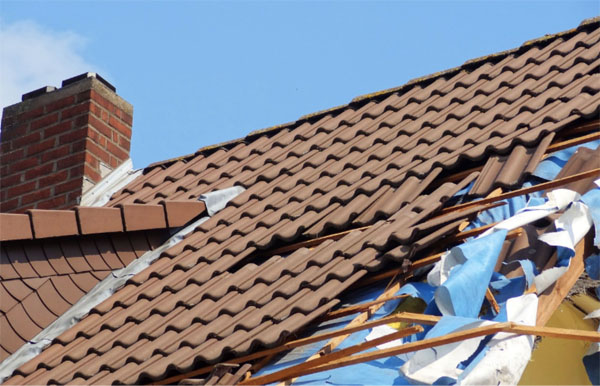
After a storm, your home might resemble a battle zone. As a homeowner, you’re suddenly faced with the overwhelming task of putting things back together—and it’s easy to make a few missteps along the way.
But don’t worry; you’re not alone.
In this article, we’ll walk you through the top eight most common mistakes homeowners make after storm damage and how to avoid them.
Let’s clean up the mess!
1. Delaying the Insurance Claim
It’s understandable. You’ve just had a storm wreck your home, and filing an insurance claim feels like the least fun thing on your to-do list.
Many homeowners delay this step, either because they’re not sure where to start or they think the damage might not be that bad.
Unfortunately, delaying an insurance claim can lead to more problems, like delayed repairs or, even worse, a denied claim.
How to Avoid It
First, as soon as it’s safe, assess the damage and contact your insurance company. Most insurance policies have a time limit for filing claims, so you don’t want to miss that window.
And no, you don’t need to wait until your home resembles a scene from a renovation show—small damage can escalate quickly. So, get on that phone and file your claim promptly.
2. Not Reading the Insurance Policy Closely
The fine print of your insurance policy can feel like reading an ancient scroll written in a foreign language under candlelight.
Most people skim over it, trusting that “storm damage” means everything is covered. Unfortunately, insurance policies often come with a host of exceptions, limits, and conditions that can surprise you, and not in a good way. Failing to understand what your policy does and doesn’t cover can lead to unpleasant surprises when you file your claim.
How to Avoid It
Now is the time to review your policy thoroughly. If it reads like gibberish, don’t hesitate to reach out to your insurance agent for clarification.
Key things to check for include coverage limits, deductibles, and exclusions (for example, flood damage is often not included in standard policies). Knowing what to expect upfront will help you avoid disappointment and confusion later.
3. Not Documenting Damage Properly
Imagine trying to explain to your insurance adjuster that your roof now resembles Swiss cheese—but you’ve got no photos to back it up.
That’s the situation many homeowners find themselves in when they don’t document storm damage thoroughly.
Skipping this step can result in receiving less compensation than you deserve, which is essentially leaving money on the table.
How to Avoid It
Before you get busy cleaning up, grab your phone or camera and take plenty of photos and videos of the damage.
Be thorough—document everything from large, obvious damage (like a tree through your living room window) to smaller, sneakier damage (like missing shingles or water spots on the ceiling).
Don’t forget to take close-ups and wide shots to show the full extent of the storm’s wrath.
4. Neglecting to Mitigate Further Damage
Picture this: a storm blows off part of your roof, and instead of patching it up right away, you leave it to the elements.
A few days later, another storm rolls through, and now the damage has doubled. Unfortunately, many homeowners fail to take immediate action to prevent further damage, either because they assume it’s all covered by insurance or they’re simply overwhelmed.
Insurance companies expect you to do what you can to minimize further harm, and ignoring this responsibility could result in reduced compensation.
How to Avoid It
Even if you’re counting on a professional repair team, there are some steps you can take to prevent additional damage.
For example, use tarps to cover exposed areas, board up broken windows, and clear any debris that could cause further harm.
The goal is to stabilize the situation until the professionals can swoop in and do their work.
5. Hiring the Wrong Contractor (Or No Contractor at All)
After a storm, you’re eager to get things back to normal ASAP. But rushing to hire the first contractor you come across, or worse, attempting to DIY major repairs, can be a recipe for disaster.
Poor-quality repairs or incomplete work can lead to even bigger issues down the road, and suddenly, that storm damage starts feeling like the least of your problems.
Not to mention, storm-chasing contractors (yes, they exist) might try to take advantage of your vulnerability by offering cheap, too-good-to-be-true deals.
How to Avoid It
Do your research. When hiring a restoration service provider, make sure they’re licensed, insured, and experienced with storm damage repairs.
Ask for references, check online reviews, and get multiple quotes before making a decision.
Trustworthy contractors will understand the urgency of your situation but won’t pressure you into making hasty choices.
6. Overlooking Hidden Damage
Storm damage isn’t always so obvious. Sometimes, the most dangerous issues are the ones hidden from plain sight.
Water can seep into walls, attics, and crawlspaces, leading to mold growth or structural damage that’s only noticeable when it’s too late.
How to Avoid It
After a storm, it’s worth bringing in a professional to thoroughly inspect your home for hidden damage.
Roofing contractors, water damage specialists, and mold remediation experts can spot issues that the untrained eye might miss.
Remember, a little upfront investment in a detailed inspection can save you from much bigger (and pricier) headaches down the road.
7. Forgetting About Safety
In the immediate aftermath of a storm, many homeowners dive straight into cleanup mode without stopping to consider their safety.
Whether it’s stepping over downed power lines, walking through standing water, or climbing up onto a damaged roof, there are plenty of hazards that can turn an already bad situation into something much worse.
How to Avoid It
Before you begin any cleanup or repairs, take a scan of your surroundings and make sure it’s safe to proceed.
Look out for electrical hazards, weakened structures, and sharp debris. If you’re unsure, it’s always better to wait for professionals to assess the situation.
No home repair is worth risking your health or safety.
8. Failing to Prepare for Future Storms
Once the repairs are done, it’s tempting to breathe a sigh of relief and move on. But failing to take preventative steps could leave you vulnerable to the next storm.
How to Avoid It
Consider making improvements to better protect your home from future storms. This might include reinforcing your roof, installing storm shutters, or improving drainage around your property.
A little investment now can go a long way in minimizing future damage—and saving you from having to repeat the whole insurance claim saga.
Final Thoughts
Storm damage is never fun, but it doesn’t have to be a nightmare. By avoiding these common mistakes and taking a proactive, informed approach, you can navigate the recovery process with a lot less stress.
Remember to document everything, act quickly, and bring in the professionals when necessary. With careful planning and timely action, you can effectively manage storm damage and strengthen your home for the future.