
Custom Home Construction: Turning Your Vision into Reality
By Space Coast Daily // October 20, 2024
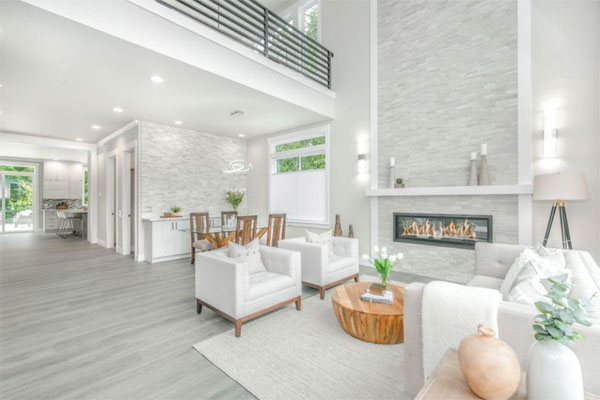
Building a custom home is a dream for many homeowners. It’s the chance to design a space that reflects your lifestyle, preferences, and needs. Unlike buying a pre-built home, custom home construction gives you complete control over every detail, from the layout and finishes to the amenities and energy efficiency.
However, the process can feel overwhelming if you’re unfamiliar with it. In this post, we’ll guide you through the essential steps in turning your vision into a reality through custom home construction.
1. Define Your Vision: What Do You Want in Your Dream Home?
The first and most important step in custom home construction is defining your vision. Before meeting with an architect or builder, it’s crucial to have a clear understanding of what you want. Think about your lifestyle, future needs, and personal style to ensure that your home fits your long-term goals.
Start with a Wish List
Create a detailed wish list of the features and elements you want in your new home. Think about room sizes, layouts, architectural styles, materials, and the atmosphere you want to create. Consider the following:
- Number of Bedrooms and Bathrooms: How many rooms do you need now, and will your family grow in the future?
- Special Features: Do you want a home office, a gourmet kitchen, or an entertainment space? Perhaps a custom deck or outdoor living area is essential.
- Style and Design: Are you leaning towards modern, traditional, farmhouse, or another style? The architectural style will set the tone for your custom home.
Think About Functionality
A custom home should not only be beautiful but functional. Consider how you live your day-to-day life. Do you love to entertain? Do you need quiet spaces for work or study? Make sure the layout and design of your custom home reflect how you use your space.
Pro Tip:
Include energy-efficient solutions such as solar panels, energy-saving windows, and smart home technology to ensure your home is eco-friendly and cost-effective to run in the long term.
2. Hire the Right Team: Collaborating with Professionals
Once you have a vision, it’s time to assemble a team to help bring that vision to life. Custom home construction requires collaboration with a variety of professionals, each playing a critical role in the success of your project.
Architect
The architect will design your home based on your vision, wish list, and the physical constraints of the land. A good architect will take your ideas and translate them into practical, workable plans while suggesting ways to improve functionality and aesthetics.
Home Builder
Selecting the right custom home builder is key to ensuring that your home is built according to the highest standards. A skilled builder will manage the construction process, coordinate with subcontractors, and handle all the details, from foundation to finishing touches.
Choosing the Right Builder:
- Experience with Custom Homes: Make sure the builder has experience in custom construction and understands how to work with unique designs and materials.
- References and Reviews: Check past projects, client testimonials, and online reviews to ensure the builder has a reputation for quality work and professionalism.
- Licensed and Insured: Ensure that the builder is licensed and insured to protect yourself from liability and ensure your home meets local building codes.
Interior Designer
While it may seem like an extra cost, working with an interior designer can elevate your home’s interior spaces. They’ll help you choose finishes, colors, and furnishings that complement your home’s architecture and your personal style.
Landscape Architect
The exterior of your home is just as important as the interior. A landscape architect can help you design outdoor spaces that match the overall look of your home while providing functional areas like gardens, patios, and pathways.
3. Choosing the Perfect Location: Finding the Right Lot
Location is one of the most critical decisions in custom home construction. The land you choose will impact everything from the design of your home to the cost of the build.
Consider Your Lifestyle
Do you want to be close to schools, work, or amenities like parks and restaurants? Think about how the location fits your daily routine and long-term plans. A beautiful house in a location that doesn’t meet your needs will be frustrating over time.
Topography and Environment
The physical features of your lot will determine what type of house you can build. Sloped lots, for example, may require more extensive site work, which can add to the overall cost. On the other hand, they might offer spectacular views, making the investment worth it.
- Orientation: Think about the orientation of the house on the lot. Positioning the house to maximize natural light can reduce energy costs and create a more inviting atmosphere.
- Utilities and Zoning: Ensure the lot has access to essential utilities like water, electricity, and sewage. Check zoning laws to make sure you can build the type of home you want.
Pro Tip:
Consider the resale value of your custom home by choosing a lot in a desirable area, even if you don’t plan to sell anytime soon. Good schools, a strong local economy, and proximity to amenities can boost your home’s future value.
4. Designing Your Custom Home: Bringing Ideas to Life
Once you’ve selected the perfect lot and assembled your team, the design phase begins. This is where your dream starts to take shape. The architect will create detailed plans based on your input, ensuring that every aspect of the home aligns with your vision.
Floor Plans
A custom floor plan is a hallmark of a custom home. This is your opportunity to create a layout that works perfectly for you. Think about the flow of the space, the relationship between rooms, and how you’ll move through the home daily.
- Open Concept or Traditional: Open floor plans are popular for their airy, spacious feel, but traditional layouts can provide more privacy.
- Single Story or Multi-Level: Do you prefer a sprawling single-story home or a multi-level design that maximizes space on a smaller lot?
Customization Details
Custom homes offer nearly unlimited options for personalization. Some of the most exciting features to customize include:
- Kitchens: Gourmet kitchens with custom cabinetry, high-end appliances, and unique materials.
- Bathrooms: Spa-like retreats with custom vanities, large walk-in showers, and luxurious bathtubs.
- Living Areas: Personalized living rooms with built-ins, fireplaces, and vaulted ceilings.
Pro Tip:
Work closely with your architect and builder to incorporate any special features or materials early in the design phase. This ensures a smooth construction process and avoids costly changes later.
5. Construction Phase: From Blueprint to Reality
Once the design is finalized and permits are in place, construction begins. This is the longest part of the process but also the most rewarding. Seeing your dream home come together piece by piece is an exciting journey.
The Building Timeline
- Foundation and Framing: After the site is prepared, the foundation is laid, and framing begins. This phase sets the structure of your home.
- Electrical, Plumbing, and HVAC: Once the frame is up, the electricians, plumbers, and HVAC professionals will install the necessary systems to ensure your home functions smoothly.
- Interior and Exterior Finishing: After the home is insulated, the interior walls, flooring, cabinetry, and appliances are installed. Exterior finishing, including landscaping, decks, and driveways, will follow.
Pro Tip:
Stay involved in the process. Regularly check in with your builder and visit the site to monitor progress. This ensures the project stays on track and meets your expectations.
6. Final Walk-Through and Move-In
Before moving in, you’ll do a final walk-through with your builder to inspect the home and ensure everything meets your standards. Any final touch-ups or fixes will be addressed during this phase.
Once completed, your custom home is ready for you to move in and start enjoying the space you’ve carefully designed. The result is a home that reflects your unique style, built specifically to fit your lifestyle and needs.
Conclusion: Turning Your Vision into Reality
Custom home construction offers the ultimate level of personalization and control over your living space. From choosing the perfect location to designing the layout and selecting the finishes, every aspect is tailored to your preferences. With the right team and careful planning, your dream home can become a reality, providing a beautiful, functional space for years to come.













