The Importance of Hands-On Experience in Nursing Education
By Space Coast Daily // October 15, 2024
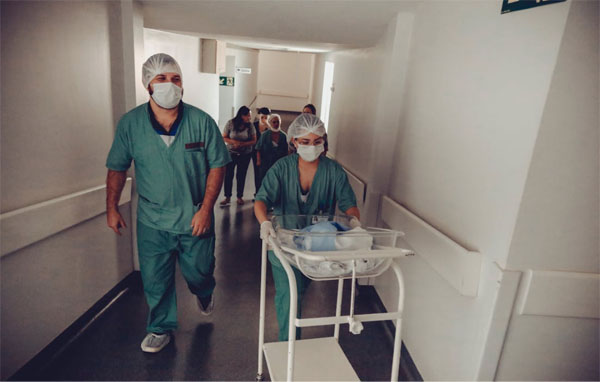
Nursing is a field that puts patients front and center, and there’s no better way to prepare for this than with hands-on experience. As Paul Halmos once said, “the best way to learn is to do; the worst way to teach is to talk”.
While theoretical knowledge forms an important foundation within the nursing profession, it’s through practical training that this knowledge is put to the test and cemented within the brain. Clinical skills and critical thinking begin in the classroom and are honed in wards and operating rooms, where nurses can demonstrate their ability to care for patients and respond to emergencies. Accessing more specialized streams of nursing once you’re already in the industry can be a great way to combine learning with practical experience, with programs like an online MSN FNP or other remote options allowing you to get certified with different skill classifications. This article will take a closer look at how we cross over from theory to practice, how clinical skills essential to nursing are developed, and how you can build confidence if you’re just starting to dip your toe into hands-on clinical care.
Bridging the Gap: Theory and Practice
Theory lays the groundwork for everything else in nursing. Without a base understanding of anatomy, physiology, pharmacology, and most importantly, ethics, your utility in a ward drops massively. With that being said, the opportunity to apply this knowledge in real-world hospital or private practice situations is what allows nursing students to fully understand how complex nursing practice can be. This is where the real learning is done, and memorized pages of textbooks link with experiences with patients and other medical professionals. For example, understanding pharmacokinetics in a classroom or written assessment environment is one thing, but actually administering the medication to a patient, then monitoring for side effects and adjusting care based on your real-time assessments are skills obtained through practice. It’s difficult to teach those kinds of skills in a lecture-based environment, which is why it is so important to be exposed to a broad range of patients and situations as part of learning to be a nurse.

Developing Key Clinical Skills
Simulations and labs are great ‘test runs’ for a clinical setting, as they provide safe, controlled environments to establish how procedures would work in the real world. Following this, an actual clinical setting introduces the unpredictability and complexity of caring for people whose needs and emotions can be in constant flux.
The patient assessment is one of the most fundamental skills in all of nursing. It’s something you’ll be expected to do day in, day out, and students will come into clinical practice armed with symptoms of diseases, but it is only through practical engagement with patients that they learn to identify what they actually look like. Hands-on practice grounds the skill of gathering patient history, performing physical exams, and interpreting clinical data — all skills that are vital in accurate diagnosis and planning for future care.
The administration of medication is another skill that nurses are expected to carry out in their duties which requires patience, precision, and care. There is lots to get right: dosage calculations and monitoring for adverse reactions are the two most important, along with making sure that patients aren’t allergic to anything listed before administration. Injections or putting an IV into a patient are not skills that can be taught by writing notes in a textbook, and they’re practices are done every day. Nurses need to be confident and competent to handle medication safely, so this is a huge part of nursing that needs to be tackled with hands-on experience.
Emergency Preparedness
One of the most profound benefits of hands-on education in nursing is exposure to emergencies. When shadowing more senior nurses or on rounds with a doctor, nurses are expected to respond to emergencies that will require quick and decisive action, all without compromising quality of care. These situations are quite literally life or death, so even an emergency simulation can prepare nurses to prioritize tasks and collaborate under immense pressure. These kinds of situations are difficult to recreate in the classroom, especially wrangling the intensity of adrenaline to maintain composure under these stressful conditions.
Nursing education needs a classroom. Nursing education also needs a hospital, or similar practical setting, to take knowledge and put it into a context that makes it useful in the course of treatment of patients. The skills mentioned in this article would be inaccessible if they were not taught alongside hands-on experience. With opportunities to ask questions and make mistakes then rectify errors in real life simulations, nursing students can face the challenges of nursing competently. The more exposure prospective nurses get to different environments and patients, the better prepared they will be to weather the whirlwind that an emergency room can be, knowing that they are prepared for anything.