Is Freight Factoring the Same as a Loan?
By Space Coast Daily // December 18, 2024
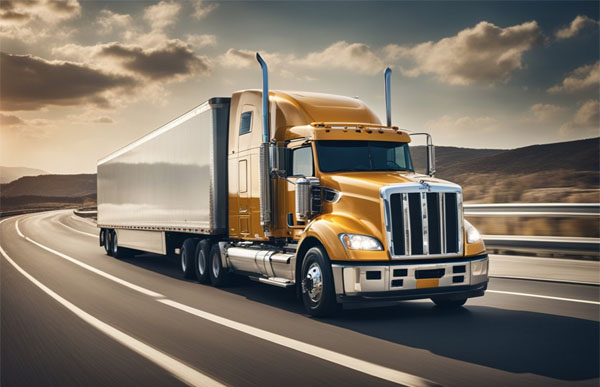
Freight factoring is a financial solution where transportation companies sell their accounts receivable to a third party, called a factoring company, to improve cash flow.
This arrangement provides immediate access to cash without having to wait for clients to pay invoices, which is particularly valuable in an industry that often deals with extended payment terms. Freight factoring is not the same as a loan; unlike loans, it doesn’t incur debt but instead leverages outstanding invoices.
While both loans and freight factoring provide companies with cash, a key difference lies in their impact on a company’s balance sheet. Loans typically increase liabilities and involve interest payments, whereas freight factoring converts receivables into immediate cash. This process helps companies manage expenses, such as fuel and maintenance, more effectively.
For small to medium-sized trucking companies, ensuring steady cash flow is crucial to maintain operations and expand their business. Freight factoring can be a strategic tool that offers flexibility and financial transparency without adding long-term debt or significant financial risk.
Understanding Freight Factoring
Freight factoring provides a financial solution for trucking companies to improve cash flow by converting unpaid invoices into immediate funds. It is distinct from traditional loans, offering specific advantages and facing unique myths and misconceptions.
Definition and How It Works
What is Freight Factoring? Freight factoring is a financial transaction where a company sells its accounts receivable to a factoring company at a discount. This process provides immediate cash, which can be vital for small to medium-sized trucking businesses.
The process begins by delivering a load and invoicing the client. Instead of waiting for payment, the business sells this invoice to a factoring company. This company advances most of the invoice amount, holding a small percentage until the client pays. Upon payment, the factoring company releases the reserve minus a fee.
This mechanism is different from loans as it does not create debt on the balance sheet. The focus is on the value of receivables rather than credit scores, making it accessible to companies with varying financial histories.
Benefits of Freight Factoring
Freight factoring offers several benefits. The most notable is the improvement of cash flow. Immediate access to funds helps businesses cover expenses such as fuel, maintenance, and payroll. Long payment windows from clients are typical, and factoring bridges this gap effectively.
This financial tool eliminates the stress of collections as the factoring company takes over the invoicing responsibility. It also provides flexibility; companies can determine how many and which invoices to factor.
It helps businesses grow without incurring new debt. As they secure funds through their operational revenue, companies can invest in expansions or take on more jobs without the burden of loan repayments.
Common Myths and Misconceptions
Many believe that freight factoring is just another term for a loan, which is incorrect. Unlike loans, factoring does not involve borrowing money that has to be repaid over time. It’s centered around selling receivables rather than accumulating debt.
Another misconception is that it is costly. While it does involve fees, the cost needs to be weighed against the benefits of improved cash flow and reduced administrative burdens. Additionally, some believe it’s intended only for financially troubled businesses. In reality, companies of all financial standings utilize factoring for strategic growth and stability.
Comparing Freight Factoring and Loans
Freight factoring and loans are two distinct financial solutions for businesses. They serve different purposes, structures, and offer unique benefits and limitations.
Key Differences
Freight factoring involves selling invoices to a factoring company. The business receives immediate cash and the factoring company collects payment from clients.
A loan, conversely, is borrowed from a lender, requiring regular repayments of principal and interest. Freight factoring doesn’t add debt to the balance sheet, while loans do. Factoring emphasizes cash flow enhancement by providing funds tied directly to outstanding invoices.
Loans require a thorough credit assessment, while factoring focuses more on the creditworthiness of clients. This distinction makes factoring accessible to businesses with limited credit history.
Pros and Cons in Comparison to Loans
Freight Factoring:
- Pros: Provides quick access to cash, improves cash flow, no debt added to the balance sheet.
- Cons: Often higher cost than traditional loans, relinquishes some control over receivables.
Loans:
- Pros: Potentially lower cost over time, flexible usage of funds.
- Cons: Adds debt to the balance sheet, requires strong credit history, involves application process.
In deciding between the two, businesses must evaluate their immediate financial needs, credit status, and long-term financial strategy. Each option presents specific advantages and trade-offs that align differently according to individual business circumstances.