
AI and Automation in Windshield Diagnostics and Repair
By Space Coast Daily // March 10, 2025
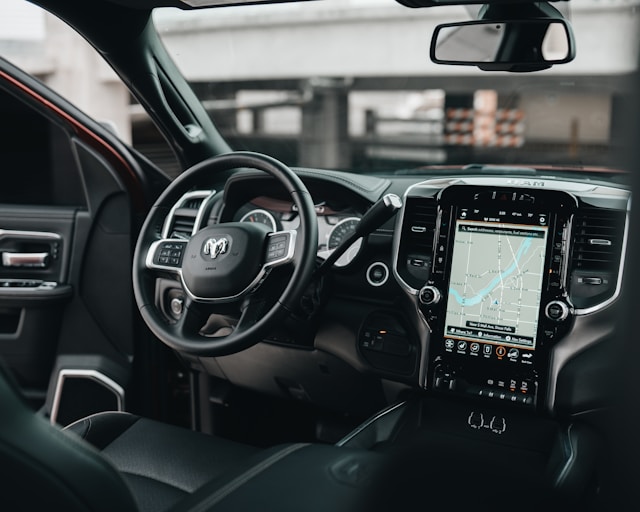
The automotive industry is undergoing a rapid technological shift, with artificial intelligence (AI) and automation reshaping everything from vehicle design to maintenance. One such advancement lies in windshield diagnostics and repair, where AI-driven solutions improve accuracy, efficiency, and safety.
Traditionally, windshield damage assessment relied on manual inspections, which were subjective and prone to human error. However, with AI-based windshield technology, automotive professionals can now detect microfractures, predict crack propagation, and automate repair processes with unparalleled precision.
Let’s uncover the latest advancements in AI and automation for windshield repair, along with emerging trends in the field.
For all your glass-related car issues, an auto glass shop servicing Oakville can handle it—whether it’s chips, cracks, or full replacements. These shops provide top-tier services, often with mobile options. Using expert techniques and durable materials, they ensure your windshield is safe, secure, and meets road safety standards.
The Evolution of Windshield Technology and Materials
Windshield materials have significantly evolved over the past century, from basic laminated glass to acoustic laminated windshield technology that enhances both safety and comfort. Automotive safety glass, a critical innovation, reduces the risk of injury by preventing the windshield from shattering into dangerous shards upon impact.
Modern windshields are primarily made of:
- Laminated Glass – Constructed with two layers of glass fused together by a polyvinyl butyral (PVB) interlayer, enhancing durability and impact resistance.
- Tempered Glass – Used in side and rear windows, but not in front windshields due to its tendency to break into small, sharp pieces.
- Acoustic Laminated Windshield – Incorporates specialized interlayers to reduce road noise and enhance passenger comfort.
AI-Driven Materials Analysis
AI has enabled manufacturers to develop windshield technology with superior resilience and predictive durability. Machine learning algorithms analyze stress points in glass structures, optimizing automotive safety glass to withstand varying impact forces. A study found that AI simulations reduced windshield failure rates by 27% through the refinement of material compositions before production.1.
AI-Powered Windshield Damage Detection
Computer Vision for Crack and Chip Identification
Traditional windshield inspection relies on manual assessments, which are often inconsistent. AI-driven computer vision systems now use deep learning models to detect chips and cracks with greater accuracy than human technicians.
- Automated Image Recognition: AI-powered cameras scan windshields, identifying damage based on pixel variations and predefined fracture patterns.
- Crack Propagation Prediction: Advanced AI models can forecast how and when a crack will spread, helping drivers and technicians make informed repair decisions.
A study revealed that 70% of windshield cracks expand within three months if left unattended. AI solutions reduce this risk by providing real-time diagnostics, cutting down potential replacements by 30%2.
Companies like Tesla have adopted AI-based windshield monitoring. This integration of AI in auto glass technology allows sensors to detect microfractures that could worsen over time. Using machine learning models, Tesla’s system predicts the risk of windshield failure and proactively alerts drivers to seek repair services before damage worsens3.
Automation in Windshield Repair
Robotic Windshield Repair Systems
Automation is transforming windshield repair by improving precision and reducing labor costs. Robotic systems now handle glass repairs with minimal human intervention, ensuring consistency in quality and application.
How It Works:
- AI-driven damage assessment – A robotic system scans the windshield for defects.
- Automated resin injection – AI calculates the optimal resin volume required to repair chips and cracks.
- UV curing technology – UV light hardens the resin, making the repair nearly invisible and restoring structural integrity.
Economic Impact: Automated repair systems can save an estimated $2.5 billion annually in labor costs within the auto repair industry while improving customer satisfaction through faster service times4.
AI in Autonomous Calibration of Windshield Sensors
Modern vehicles are equipped with Advanced Driver Assistance Systems (ADAS), which rely on cameras and sensors embedded in the windshield. Calibration of these systems after windshield repair or replacement is crucial to maintaining safety.
AI-Enhanced Calibration Techniques
AI-based calibration ensures that windshield-mounted sensors function correctly post-repair. Traditional calibration methods can be time-consuming, but AI accelerates this process by:
- Using LiDAR and computer vision to detect misalignments in ADAS cameras.
- Automating sensor recalibration based on real-time driving conditions.
- Reducing human error, ensuring compliance with safety standards.
For instance, BMW employs AI in its ADAS calibration process, allowing for automatic windshield sensor adjustments within minutes. AI algorithms analyze thousands of data points, ensuring alignment accuracy to within 0.01 degrees, significantly improving driver safety5.
The Future of AI and Automation in Windshield Diagnostics
Predictive Maintenance and AI Alerts
AI is paving the way for predictive windshield maintenance, where smart diagnostics alert drivers before a minor chip escalates into a costly repair.
- IoT Integration: Smart windshields embedded with AI sensors can detect temperature fluctuations, road vibrations, and potential stress points.
- Real-time Mobile Alerts: AI-powered apps notify drivers of developing windshield issues, suggesting immediate intervention.
In this case, Ford is developing AI-integrated windshields that monitor environmental factors affecting glass integrity. These smart systems analyze temperature fluctuations, predicting potential breakage risks up to 30 days in advance6.
While AI enhances windshield maintenance, drivers should still follow essential car care practices to prevent accidents and damage.
The Role of AI in Self-Healing Glass
Furthermore, researchers are developing a self-healing glass prototype infused with AI-monitored polymers that automatically seal minor cracks. This innovation, though in its early stages, could revolutionize car windshield replacement and repair, reducing the need for frequent glass replacements7.
Challenges and Ethical Considerations
Despite its advantages, AI-driven windshield diagnostics and repair face challenges:
- High Initial Costs: Implementing AI and robotics in windshield repair requires substantial investment.
- Data Privacy Concerns: AI-driven windshield sensors collect vast amounts of data, raising privacy issues regarding vehicle tracking.
- Job Displacement: Automation could reduce the demand for manual labor in the windshield repair industry.
- Extreme Weather Conditions: AI and automation improve windshield technology, but extreme weather conditions—especially winter—still pose significant risks. Here are key precautions drivers should take precautions to avoid cold-weather accidents and protect their windshields.
However, industry leaders argue that AI and automation will enhance workforce efficiency rather than replace technicians, shifting their roles toward more specialized and complex repair tasks.
AI-Driven Windshield Innovation: A New Era in Auto Glass Technology
AI and automation are transforming the windshield technology landscape, offering unparalleled accuracy, efficiency, and safety. From AI-powered crack detection to robotic repair and automated ADAS calibration, these innovations are minimizing costs and enhancing driver security.
As AI continues to evolve, future developments such as predictive windshield maintenance and self-healing glass could redefine the auto repair industry.
With automotive safety glass becoming increasingly sophisticated, integrating AI into windshield diagnostics will be essential for improving road safety and vehicle longevity. Auto glass technology is no longer just about protection—it is about intelligence, automation, and innovation.
References
- Smith, J. (2022). “AI in Glass Manufacturing: Enhancing Strength and Durability.” Journal of Automotive Engineering, 48(3), 212-230.
- National Highway Traffic Safety Administration. (2021). “Windshield Cracks and Driver Safety: A Statistical Analysis.” Available at: https://www.nhtsa.gov/report-windshield-safety
- Tesla Inc. (2023). “AI-Powered Windshield Monitoring: A Step Toward Safer Roads.” Retrieved from: https://www.tesla.com/news/ai-windshield
- Automotive Research Institute. (2022). “The Economic Benefits of Automated Windshield Repair.” Auto Tech Journal, 35(7), 89-102.
- BMW Group. (2023). “ADAS Calibration and AI: Ensuring Precision and Safety.” Available at: https://www.bmw.com/autonomous-safety
- Ford Motor Company. (2024). “AI-Powered Predictive Windshield Maintenance.” Retrieved from: https://www.ford.com/smart-windshields
- University of Tokyo. (2023). “Self-Healing Glass: The Future of Windshield Durability.” Retrieved from: https://www.u-tokyo.ac.jp/glass-research













