Social Media Hurting Your Mental Health? Health First’s Expert Breaks Down Risks, Benefits
By Space Coast Daily // March 19, 2025
exposes users to unrealistic portrayals of life

BREVARD COUNTY • FLORIDA — In the ever-evolving landscape of modern communication, social media has emerged as both a beacon of connection and a potential source of mental health challenges.
According to Charissa Reynolds, Behavioral Care Manager for the Collaborative Care Program at Health First, social media’s influence on mental well-being has profound positive and negative ramifications.
“Social media has transformed the way people engage with mental health,” says Reynolds.
“It has increased awareness, reduced stigma, and provided access to support networks.” Platforms like Instagram, TikTok, and Facebook serve as spaces where individuals openly discuss their struggles, seek advice, and find solace in shared experiences. Online communities offer a sense of belonging, especially for those who may feel isolated in their offline environments.
However, the flip side of this digital coin is less comforting. “Social media also exposes users to unrealistic portrayals of life, cyberbullying, and excessive screen time, all of which can negatively impact mental well-being,” Reynolds notes. The curated perfection displayed on social feeds often leads to harmful comparisons, fostering feelings of inadequacy and loneliness.
Reynolds identifies anxiety, depression, low self-esteem, and sleep disturbances as the most common mental health issues linked to social media use. “The pressure to present a perfect life, combined with cyberbullying and the addictive nature of constant scrolling, can heighten stress levels and disrupt emotional regulation,” she explains.

For adolescents and young adults, the stakes are particularly high. This demographic is highly susceptible to the pitfalls of social comparison and peer validation. “Cyberbullying, for instance, can be relentless and inescapable, leading to severe mental health struggles, including anxiety, depression, and even suicidal thoughts,” warns Reynolds.
Adults are not immune either. They may face stress related to misinformation, work pressures, and unrealistic societal expectations perpetuated online. Meanwhile, older adults, though sometimes challenged by digital engagement, can benefit from social platforms by staying connected with family and communities.
The phenomenon known as Fear of Missing Out exacerbates anxiety, driving individuals to remain perpetually connected, often at the expense of their mental health. Additionally, the addictive design of social media platforms, which tap into the brain’s reward system through likes, comments, and notifications, can lead to compulsive usage patterns similar to other behavioral addictions.
Doomscrolling is another significant concern. Doomscrolling is like quicksand for the mind—what starts as a simple check-in on the news can quickly spiral into an endless cycle of fear, stress, and anxiety. With so much happening in the world, it’s easy to feel like we have to stay constantly informed, but at what cost?
Consuming a steady stream of negative headlines can leave us feeling powerless and overwhelmed. Protect your peace because your mental health matters more than the latest headline. Identifying the warning signs of social media-induced distress is crucial.
According to Reynolds, psychological red flags include feelings of anxiety or depression after online interactions, persistent self-comparison leading to feelings of inadequacy, increased irritability or mood swings linked to social media use, difficulty being present in real-life moments, and sleep disturbances due to late-night screen time.
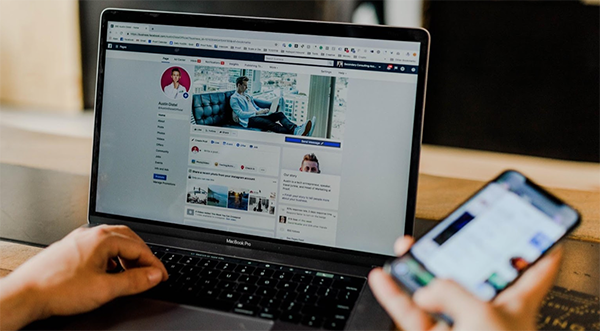
“When social media starts to feel overwhelming or triggers negative emotions consistently, it’s a clear sign to take a break,” she advises. Despite these challenges, Reynolds acknowledges the mental health benefits of social media when used mindfully.
“It can provide a sense of community and support, reduce feelings of isolation, and serve as a valuable resource for mental health education.” Online support groups and mental health advocates offer spaces for individuals to share their journeys, reducing stigma and promoting understanding. Educational content, often delivered in engaging, bite-sized formats, has made mental health knowledge more accessible than ever before.
Reynolds recommends several strategies to maintain a balanced relationship with social media. Setting time limits using screen time trackers helps manage daily usage effectively. Curating your feed-to-follow accounts that inspire positivity and personal growth can create a healthier online environment. Additionally, unfollowing accounts that are triggering and engaging in hobbies such as reading, yoga, or cooking can provide a refreshing mental break from online interactions.
Engaging mindfully, prioritizing meaningful interactions over passive scrolling, fosters genuine connections. Taking breaks through regular digital detoxes can help reset emotional well-being, while prioritizing real-life connections ensures that online activities don’t replace face-to-face interactions. For parents and caregivers, guiding children through the digital landscape is critical. “Open communication is key,” says Reynolds. She advises setting clear boundaries such as “no phone zones” and encouraging offline activities.

New mental health trends are emerging with the rise of short-form content platforms like TikTok and Instagram Reels. “The fast-paced nature of these platforms can shorten attention spans and contribute to overstimulation,” Reynolds observes. Algorithms that prioritize sensational content can amplify anxiety and misinformation but also make mental health education more accessible.
Young influencers face unique pressures. “The need to maintain an online persona can lead to stress, anxiety, and burnout,” Reynolds explains. The constant demand for content creation and audience engagement often blurs the line between personal identity and public image, creating additional mental health challenges.
Social media is neither inherently good nor bad. Its impact on mental health depends mainly on how it is used. By fostering awareness, promoting healthy habits, and encouraging open dialogue, individuals can harness the benefits of social media while mitigating its risks.
Reynolds concludes, “Mindful engagement is the key. Social media should be a tool that enhances life, not diminishes mental well-being.” As we navigate this digital age, understanding and addressing the complex relationship between social media and mental health is essential for individuals, families, and communities.
 Related Story:
HOT OFF THE PRESS! March 10, 2025 Space Coast Daily News – Brevard County’s Best Newspaper