
How Does Pipe Relining Work? A Homeowner’s Guide
By Space Coast Daily // April 25, 2025
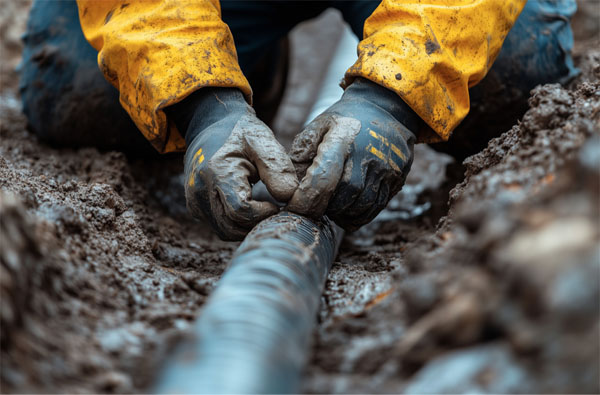
Dealing with cracked or blocked pipes can be a stressful situation for any homeowner, especially when it involves the potential damage to your yard or driveway. Thankfully, pipe relining offers an innovative solution that eliminates the need for costly and disruptive digging.
By focusing on repairing pipes from the inside, this technique provides a quicker, cleaner, and more cost-effective alternative to traditional methods. Instead of tearing up your property, you can address the issue directly, saving you both time and effort.
Read on to discover how pipe relining works and why it may be the perfect option for your home.
1. Initial Inspection And Assessment
Every successful pipe relining process starts with a detailed understanding of the pipe’s current state. A proper assessment ensures that the chosen solution addresses the specific type and extent of pipe damage without unnecessary work.
To carry out this step thoroughly, technicians follow a series of targeted procedures:
■ Sewer camera inspection: A compact camera is inserted into the sewer pipe to capture high-resolution footage of the pipe’s interior. This helps detect tree roots, collapsed sections, corrosion, or misalignments without any digging.
■ Condition and suitability review: Specialists review the inspection footage to confirm whether the pipe qualifies for a trenchless method like relining. They assess if the damage is isolated or widespread, and whether other repair options—such as pipe bursting—may be more appropriate for severely broken pipes.
■ Planning based on pipe layout: The team measures the length and shape of the original pipe. These measurements are critical for creating a customized pipe liner that fits tightly against the pipe walls and restores the internal surface.
A precise assessment like this requires trained eyes and the right equipment. Hiring a team with experience in pipe relining services, such as pipe relining Melbourne or another trusted provider in your area, helps ensure the inspection is accurate and nothing is overlooked. Their expertise allows them to identify underlying issues that might be missed by less experienced contractors.
2. Pipe Cleaning and Preparation
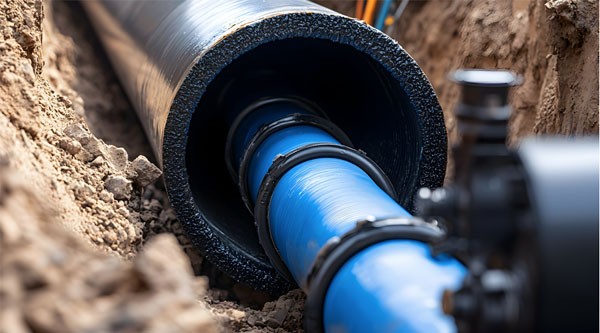
To ensure the pipe relining process is successful, the existing sewer pipe must be fully cleaned and prepped before any liner goes in. A clean surface allows the special resin to bond effectively with the original pipe, increasing the durability of the final result. Proper pipe cleaning is essential to remove any obstructions and ensure the smooth application of the liner.
The following are key steps involved in preparing the pipe for relining:
■ High-pressure water jetting: This is the primary method used to clear out sludge, mineral buildup, and small obstructions from the pipe interior. These high-pressure water jets can reach even hard-to-access areas, restoring the pipe’s inner surface without damaging it.
■ Mechanical cleaning: In some cases, deposits or tree roots are too thick or hard for water alone. Technicians then use mechanical tools such as robotic cutters or rotating blades to physically remove stubborn obstructions. This ensures no residual material remains that could interfere with the pipe liner installation.
■ Final CCTV camera check: After cleaning, another sewer camera inspection confirms the pipe is free of debris, blockages, or loose fragments. It also ensures that any damaged pipes are clearly visible and marked, so the liner is applied accurately and efficiently.
Thorough cleaning and preparation help eliminate issues during installation and ensure a smooth, uniform finish inside the original pipe.
3. Liner Installation and Curing
This stage is where the actual repair takes shape. A flexible liner is installed inside the damaged section of the sewer pipe to restore its function without replacing the entire system.
To complete this step with precision and durability, the following are the key actions involved:
■ Liner saturation with special resin: A resin-soaked liner, usually made from felt or fiberglass, is prepared on-site. The special resin used is carefully mixed and impregnated into the liner to ensure full saturation. This material later hardens into a solid seamless pipe, creating a long-lasting internal layer.
■ Inversion or pull-in process: Using an inversion tank or a winch setup, the liner is inserted into the original pipe through inspection pits or access points. The technique used depends on pipe size and location. This trenchless step avoids the disruption linked with traditional method repairs.
■ Pressurizing the liner: Once in place, the liner is inflated using air or water. This forces it to expand and mold tightly against the interior pipe walls, even around bends and junctions.
Once fully cured, the result is a reinforced interior pipe surface that improves flow and minimizes future blockage risks.
4. Final Inspection and Restoration
After the curing process is complete, the final inspection ensures everything is functioning correctly. At this stage, technicians perform several key checks to confirm the relined pipe is fully operational, ensuring your home’s plumbing system is restored as part of a long-term home improvement.
Here are the steps involved in this crucial final inspection and restoration process:
■ Deflation and removal: The inflatable bladder used during the curing process is carefully deflated and removed. This leaves the new liner firmly in place, maintaining the integrity of the pipe.
■ CCTV confirmation: A final CCTV camera inspection is conducted to ensure that the pipe has been relined correctly. The footage verifies that there are no gaps or imperfections in the newly installed pipe liner.
■ Reinstating junctions: If any branch lines or junctions were temporarily covered during the relining process, technicians will reopen these areas. Using precise tools, they restore the connections to ensure the pipe functions properly without disruptions.
Once the final inspection is complete and all components are verified, the relined pipe is fully restored and ready for use.
Final Thoughts
Pipe relining is a reliable, non-invasive solution that extends the life of your existing plumbing without the hassle of excavation. From inspection to final confirmation, each step is designed to restore your pipes efficiently and with minimal disruption. If you’re facing repeated pipe issues, relining might be the long-term fix your home needs.













