
Crypto vs. Fiat: Why More People Are Taking a Second Look at Digital Money
By Space Coast Daily // May 30, 2025
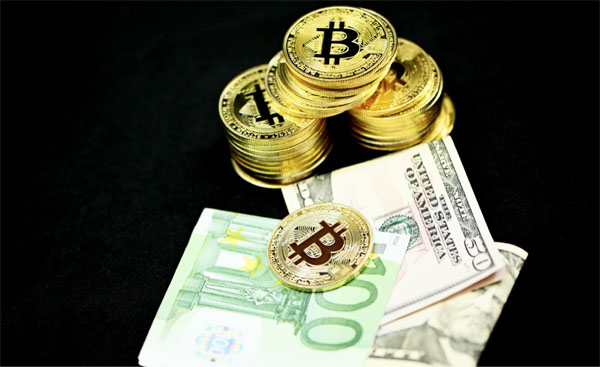
Cash is still king, but for how much longer? As more Americans move money with apps, shop online, and store value digitally, traditional currency is starting to look a little outdated. Crypto, once seen as a niche experiment, is now a real option for those who want more control over their money.
While the U.S. dollar still powers the economy, cryptocurrencies like Bitcoin and Ethereum are gaining ground and for good reason. This upward trend of the new currency isn’t just about hype. It’s about what crypto can do that fiat money can’t.
What Is Fiat, and What Is Crypto?
Fiat currency is money made and controlled by a government. The U.S. dollar is a good example. It’s not backed by gold or anything physical. It only has value because the government supports it and people trust that it can be used to buy goods, pay taxes, and settle debts. Without that trust, the dollar would just be paper or numbers on a screen.
Cryptocurrency, on the other hand, is digital money that doesn’t come from any government or bank. It runs on something called blockchain. Think of the blockchain like a shared notebook that anyone can read but no one can erase. Every time someone sends or receives crypto, the transaction is added to that notebook. Once it’s recorded, it can’t be changed.
This system removes the need for a middleman, like a bank, to keep track of balances or approve transfers. People can send money directly to each other, no matter where they are, without going through a third party. That’s one of the main things that makes crypto so different, and after all, so powerful.
Inflation: The Silent Threat to Fiat
One of the biggest problems with fiat money is inflation. When the government prints more dollars, each one becomes a little less valuable. It’s not always obvious at first, but over time, you feel it. What cost $10 a few years ago might cost $15 or $20 now. Groceries, rent, and gas prices creep up while your paycheck stays the same. That slow drain on your money reduces what your savings can actually buy.
Crypto doesn’t face inflation in the same way. Most cryptocurrencies are built with a fixed supply. Take Bitcoin, for example. There will only ever be 21 million coins. That cap is built into the code, and no one, not even the developers, can change it. This kind of scarcity helps protect value. You can’t just create more Bitcoin when times get tough, which makes it very different from traditional money.
That’s one reason many people are looking for alternatives, and why interest in crypto keeps growing. Some are even looking beyond Bitcoin, searching for the best 1000x potential crypto investments that could offer not just protection from inflation, but huge long-term returns. These are often smaller projects with limited supply, strong tech, and real-world use cases, something fiat will never offer.
Privacy and Security
Most fiat transactions go through banks or payment processors, so these companies store your personal data and track your spending. A setup like this can be risky because you trust these institutions, and they won’t share your personal data with third parties. On top of that, if they get hacked, your data is exposed.
Crypto can offer more privacy. While not completely anonymous, many coins let you send funds without linking the transaction to your name. And because of how blockchain works, it’s very hard to fake or reverse a crypto transaction. That adds a layer of trust you don’t always get with fiat systems.
Crypto Is Not Perfect, But It’s Growing Up
Even with all its benefits, crypto still has risks. Prices can swing wildly, scams are common, and if you lose your private keys, you lose access to your funds forever. There’s no “forgot my password” button. One of the most famous examples of lost private keys is a story about a man from the UK who threw away a hard drive containing the secret recovery phrase for his Bitcoin wallet worth around $800 million now.
Having said that, crypto isn’t a lawless mess. Major platforms are improving security while governments, including in the U.S., are drafting rules to protect users and themselves, creating a crypto reserve. Big companies like PayPal and Visa now support crypto in some way, so we could say that it’s moving from the fringe to the mainstream.

Conclusion
We can’t say that crypto is the future anymore because it’s already here. It’s not perfect, but it solves real problems that fiat currencies can’t for many people. It helps people take back control, cut out middlemen, and protect their money from inflation. In a time when trust is low and costs are high, that matters more than ever.















