Are Landfills Becoming Obsolete? The Rise of Circular Waste Systems in the US
By Space Coast Daily // July 22, 2025
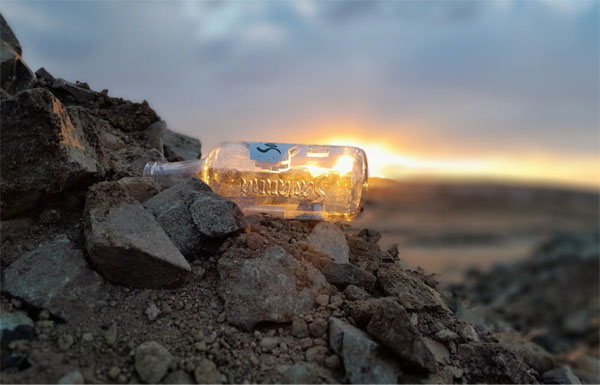
The vast waste towers scattered on the edges of American cities can easily overwhelm anybody. In the past, landfills represented advancement—proof that contemporary society had perfected the art of waste management. However, new technology, data-driven policy, and a rising cultural understanding that garbage doesn’t simply disappear are driving a quiet revolution in waste management today.
Growing awareness of circular waste systems forces us to consider how materials are produced, used, and reintroduced into the economy in addition to how to dispose of them. The signs are obvious: you are living during the pivot, and the linear waste economy is coming to an end.
Photo by Kenneth Thabo Litabe on Pexels
Innovation in Recycling Infrastructure
Walk into a modern MRF and you’re greeted by a ballet of robotics and sensors. Machines don’t just sort waste by weight or color anymore—they analyze material properties in real time, scanning barcodes, textures, and even chemical signatures.
These facilities often operate in tandem with professional waste and recycling services that manage logistics and contamination control, ensuring smooth operations at scale.
Recent installations in Phoenix and Atlanta use AI to identify over 30 distinct categories of recyclables, boosting processing rates and diverting waste that previously slipped through the cracks.
Chemical Recycling Advancements
You’ve probably heard that some plastics just can’t be recycled. That’s rapidly changing. Companies are now eploying commercial operations using pyrolysis to break down polyethylene and polystyrene into reusable monomers.
Unlike mechanical recycling, this process restores plastic to its original purity—ideal for food-grade packaging. Expect to see “chemically recycled” labels become more commonplace, especially in high-waste sectors like cosmetics and food delivery.
Community-Level Composting
The compost bin is becoming as standard as the trash can. Micro-composting hubs are now piloting in apartment complexes across cities like Boulder and
Providence, using odor-controlled bins and sensor-tracked decomposition cycles.
Residents receive real-time feedback on participation and emissions offset. These programs aren’t just eco-friendly—they’re data-rich.
Why These Micro Composting Systems Work:
- Close proximity to households reduces transportation emissions
- Feedback loops improve engagement and compliance
- Nutrient-rich output supports local agriculture initiatives
- They scale easily, making them suitable for both urban and suburban areas
- Corporate Circular Economy Models
Extended Producer Responsibility (EPR) Programs
Oregon and Colorado mandated that producers fund end-of-life product management. That means if you buy electronics or packaged goods, the producer now pays for recycling infrastructure and logistics.
As a result, manufacturers are rethinking design: fewer materials, modular construction, and clear recycling symbols. The model rewards efficiency over excess.
Refill and Reuse Packaging
Picture this: You refill your shampoo bottle at the grocery store just like you fill up gas. It’s already happening. Chains like Whole Foods and Kroger have launched pilot refill stations for household staples—detergents, oils, pet food.
The shift isn’t just greenwashing; reuse is cheaper long-term, and customers appreciate the reduced waste. These models are growing fastest in cities with composting or PAYT pricing already in place.
Industrial Symbiosis
Circularity is moving upstream. A cement plant in Pennsylvania now sources calcium-rich byproduct from a nearby paper mill, offsetting 40% of its virgin material needs.
Meanwhile, a Midwestern data center funnels excess server heat into a greenhouse network next door, reducing winter heating costs by 70%. You’re witnessing a quiet rise in regional waste-to-value networks.
Current Examples Making Industrial Symbiosis Real:
- Breweries exchanging CO₂ with beverage bottlers
- Pharmaceuticals sourcing ethanol waste from corn processors
- Municipal sludge converted to fertilizer for public parks
- Electronics firms selling scrap aluminum to auto suppliers
- Policy and Regulation Trends
Landfill Bans on Organics
It’s no longer just progressive enclaves passing waste laws. As of summer 2025, Maryland and Minnesota have banned landfill disposal of commercial organics, with enforcement bolstered by drone and sensor inspections.
Companies failing to comply face fines and public naming. For consumers, that means more bins—but also cheaper waste bills.
Pay-As-You-Throw (PAYT) Programs
You’ve likely seen trash bags priced differently or trash bins embedded with RFID tags. That’s PAYT in action. Studies show cities that implemented PAYT saw a 40% drop in residual waste within 18 months.
The model flips the incentive: you don’t just recycle because it’s good—you recycle because it’s cheaper.
Federal Grants for Waste Innovation
In June 2025, the Department of Energy released $200M in grants for waste-to-energy and circular tech startups.
The winners include a North Carolina biotech converting food waste into biodegradable plastic and a Wisconsin AI firm predicting regional landfill overflow based on consumer purchasing trends. Federal money is finally betting on the end of trash.
Emerging Waste-to-Energy (WtE) Systems
From cow manure to cafeteria scraps, anaerobic digestion turns organics into energy. New facilities in Tampa and Des Moines are converting methane into grid-ready fuel, while separating out valuable byproducts like phosphorus fertilizer. It’s not just sustainability—it’s asset recovery.
Today’s thermal treatment plants use closed-loop gasification with emission scrubbers that exceed EPA standards. They burn cleaner than diesel and are increasingly colocated with manufacturing plants, feeding them with real-time energy and steam. Ohio’s newest facility doubled its output this quarter.
Hybrid Landfill-to-Energy Systems
Think of these as the final breath of the old waste world. Methane-capture systems atop capped landfills now power thousands of homes. Some, like a facility in New Jersey, use AI to dynamically redirect methane flow depending on demand, maximizing efficiency and slashing emissions. It’s a waste working overtime before retirement.
Consumer Choices Driving Change—Zero-Waste Lifestyles
From reusable razor blades to bamboo toilet paper subscriptions, the average American now interacts with 2–4 zero-waste products weekly. These choices compound: fewer disposables mean less landfill input, less municipal cost, and stronger buying signals to retailers.
Digital Platforms for Reuse & Repair
Apps like BuyNothing, Freecycle, and iFixit are reviving the art of “make do and mend.” Their user bases have grown 80% in the past year.
Whether you’re repairing a blender or exchanging power tools with a neighbor, digital platforms are making reuse frictionless. The more visible they become, the more normalized circular habits will be.
Local Exchange & Repair Events
In-person barter is back. Towns like Durham and Madison now host monthly repair cafes funded by local councils. From mending clothes to rewiring lamps, these events reduce waste while building social cohesion. Think of them as farmers’ markets for second chances.
Barriers to Total Elimination of Landfills
The circular economy thrives on access—but too often, it’s urban-centered. Rural regions lack curbside composting, MRFs, or even public recycling bins. Until these networks extend beyond city limits, landfills remain the fallback. Federal grants and mobile tech offer a way forward, but deployment is uneven.
A pizza box soaked in grease can derail an entire recycling batch. Mis-sorted waste leads to costly manual intervention or outright rejection. Clearer labeling, public education, and smart bins that scan contents before collection are emerging solutions, but behavior change remains slow.
Some materials still cost more to recycle than replace. That’s where policy comes in. Subsidies, EPR, and border tariffs on virgin plastic imports are narrowing the gap. But until market conditions stabilize, expect some pushback—especially from cost-sensitive industries.
Conclusion
You’re not just reading about a shift—you’re part of it. Circular waste systems are no longer confined to whitepapers and university labs. They’re on your street, in your grocery store, at your city hall. Each bin you sort, refill you make, or repair you schedule contributes to dismantling the landfill legacy.
This isn’t utopia—it’s the grind of systemic transition. There will be friction. There will be missed pickups, confusing labels, and growing pains. But the direction is clear, and momentum is on your side. You have the data, the tools, and now, the mandate to act. The landfill’s days are numbered. Let’s not waste the opportunity.