Dr. Wade Douglas on Service, Leadership and the Value of Mentorship in Surgical Education
By Space Coast Daily // August 11, 2025
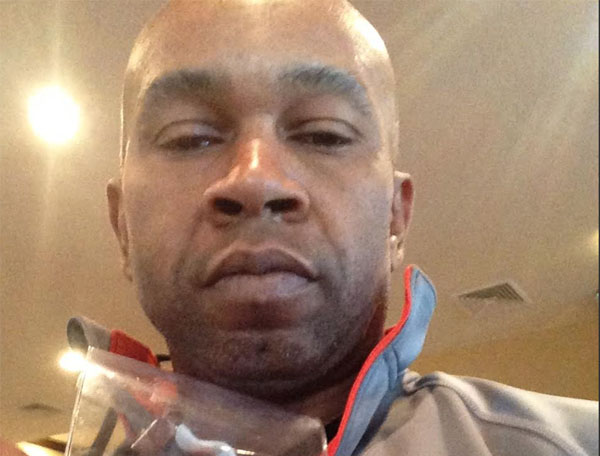
Dr. Wade Douglas has forged a remarkable career defined by his service-oriented mindset, resilience, and enduring passion for mentorship. As a Professor and the Program Director of the General Surgery Residency at Florida State University College of Medicine in partnership with Tallahassee Memorial HealthCare, he stands at the forefront of academic medicine and surgical training. His work exemplifies dedication to both patient care and educational leadership. In this in-depth conversation, Wade Douglas shares how personal values, military service, and early mentors helped shape a purposeful career path. What follows is a thoughtful exploration into his philosophy on leadership, growth, and how his journey continues to impact those around him.
Who or what inspired you to pursue a career in medicine?
Dr. Samuel Hunter played a pivotal role in inspiring me. He allowed me to shadow him early in my journey, which gave me invaluable insight into what being a physician truly involves.
Can you share a defining moment that shaped your career?
Encountering my first cancer patient during medical school was a transformative experience. Witnessing the toll cancer took on not just the patient, but their entire family, reinforced the kind of physician I aspired to be.
How would you describe your personal and professional values?
Service has always been central. Whether during my time in the Army or in clinical practice, I find fulfillment in helping others. Perseverance and accountability also guide how I approach my work and interactions.
What personal or professional achievements are you most proud of?
Two moments stand out. Earning the Expert Field Medical Badge in the Army instilled self-confidence. Later, helping to establish the general surgery residency program at Florida State University was a defining milestone in my educational career.
How do you manage stress and maintain a healthy work-life balance?
Maintaining proper sleep hygiene is crucial. Getting enough rest allows me to approach each day with the energy and clarity needed to handle the demands of my role.
What does your typical day look like, and how do you make it productive?
My days vary. On surgery days, I begin early, meet with patients, perform procedures, and follow up with families. Clinic days start with a workout and involve patient consultations and documentation. Administrative days focus on resident training and program development.
How do you stay informed about trends in your field?
Continuous learning is key. While books, journals, and conferences were staples early in my career, today I also rely on podcasts, online assessments, and virtual seminars to stay current.
Can you share a challenge you’ve faced and how you worked through it?
I didn’t secure a categorical position after medical school initially. Instead of giving up, I focused on excelling in my preliminary year—achieving high scores and strong recommendations. That effort led to a categorical spot the next year.
What is your approach to starting new projects?
I begin by identifying what I want to accomplish, then remain open to adjustments along the way. Flexibility is essential when navigating complex or evolving situations.
What’s one strategy that’s helped you grow your career?
Remaining open to opportunities, both geographically and professionally, has been vital. Embracing change and supporting teams during challenges has enabled steady growth.
How do you handle tough decisions?
Avoiding decisions made from anger or fear is important. I gather solid information and allow time for reflection to ensure sound judgment.
What’s the toughest decision you’ve made recently?
Supporting someone close to me through a mental health crisis was incredibly challenging. It pushed me to educate myself more deeply about mental health and also highlighted the toll such situations can take.
What was the worst job you ever had, and what did you learn from it?
Working in a telephone credit card authorization company wasn’t fulfilling. It taught me patience and reinforced the importance of pursuing meaningful work.
Tell us about a skill you’ve taught yourself.
I taught myself to perform certain surgical maneuvers left-handed. This improved both my surgical technique and my ability to teach residents effectively.
What makes you successful?
I’m very mission- and task-oriented. Like a soldier with a clear mission, I devote myself fully once I’ve identified a goal.
What advice would you give someone entering your field?
Follow your passion. Notice where your energy is and stay true to that. Don’t let external distractions steer you off your path.
How do you build and maintain professional relationships?
Collaboration is key—especially when there’s mutual benefit. Many of my strongest relationships developed through shared research and professional engagements.
What are the most crucial qualities of a leader?
Strong communication and competency in your field are essential. People follow those who communicate clearly and demonstrate expertise.
Can you share a story about helping a colleague through a tough time?
A colleague had to step away from surgery due to a health issue. I helped him create an educational plan, proctored him for a year, and ultimately helped him regain his board certification and return to practice.
How do you decide what to handle yourself and what to delegate?
It depends on the task’s urgency, importance, and the skill set of the person I’m delegating to. Critical, mission-focused tasks usually stay on my plate.
How do you motivate your team?
Motivation varies—some need recognition, others value time off or financial incentives. I try to support team members in ways that resonate with them.
What methods do you use to set and track goals?
Timelines are everything. I break large goals into smaller, trackable components, which helps me stay on course and make measurable progress.
What continuing education are you involved in?
Board recertification, license renewal, and continual review of emerging research and treatments are all part of my routine. Medicine evolves quickly—staying updated is non-negotiable.
What’s a story where you helped change someone’s life—or someone changed yours?
While serving as a medic, I rescued a soldier pinned in a Humvee ravine. After stabilizing him and coordinating evacuation, he made a full recovery. I received an Army Achievement Medal, but the impact of that experience stays with me.
Who has had the biggest impact on your career?
Once again, Dr. Samuel Hunter. Beyond introducing me to medicine, he purchased my supplies for my first year of medical school. His mentorship has truly shaped my career.
For more on his clinical leadership and contributions to academic medicine, see this link on Wade Douglas Tallahassee Memorial and this additional resource on Wade Douglas Tallahassee Memorial.
Dr. Wade Douglas’s career is a reflection of commitment—to service, to mentorship, and to excellence in surgical education. Through leadership at Florida State University and Tallahassee Memorial HealthCare, Wade Douglas continues to influence the landscape of medical education and patient care alike.