
How a Radiology AI Co-Pilot Helps Streamline Diagnoses
By Space Coast Daily // August 1, 2025
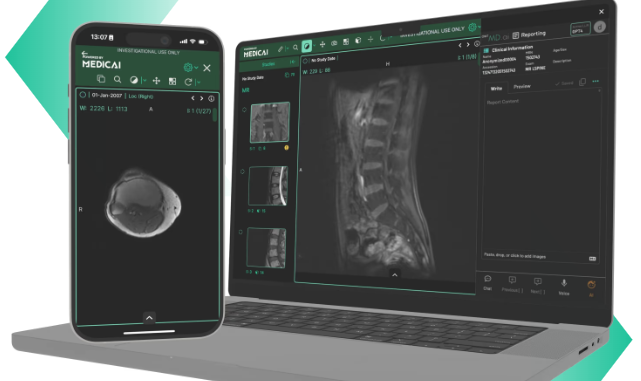
Radiology has always been at the forefront of medical advancements. With the integration of artificial intelligence, it takes another leap forward. AI co-pilots in radiology are transforming how diagnoses occur, offering precision and efficiency that enhance patient care. This post explores how these intelligent systems streamline the diagnostic process, providing substantial benefits to both healthcare providers and patients.
Enhancing Diagnostic Accuracy
Medicai’s Radiology AI co-pilots assist radiologists by analyzing vast amounts of imaging data quickly. They see things you’d probably never notice—like subtle patterns or unexpected quirks. This makes diagnoses much more accurate. You’ll see far fewer errors because of it. AI flags tricky spots. Radiologists get a heads-up. This helps them make much smarter calls. Patients recover better because human skills join forces with what machines do quickly.
Time Efficiency in Diagnosis
Quick responses from medical staff often make all the difference. AI co-pilots expedite the diagnostic process by swiftly processing images. Radiologists can now spend their energy on what matters: interpreting cases. Thanks to fast analysis, they won’t get bogged down with just checking the first images. Spot the problem fast; you’ll decide on treatment quicker. So, people get better medical attention, and the entire healthcare setup runs like clockwork.
Reducing Radiologist Burnout
Radiologists face high workloads, often leading to stress and burnout. AI co-pilots alleviate some of this pressure by handling repetitive tasks. It gets cases in order so that radiologists can focus on the really tricky images. You feel less stressed when AI handles tasks. This creates a much healthier place to work. Radiologists can then provide better care, as they are less likely to experience fatigue-related errors.
Make Your Work Flow Easily
Radiology clinics need their operations to run smoothly. AI co-pilots improve workflow by organizing and managing imaging data systematically. They connect easily with your current setup, so everything runs smoothly. Wait times shrink with this plan. Medical pros also talk better. Imagine how much smoother things run with AI. It means staff and supplies are used smartly, so patients get the right care at the right time.
Training and Development
AI co-pilots are not just tools for immediate use. They aren’t just for one thing. They also teach you a ton. Future radiologists? They learn a ton from what AI points out. It builds up their understanding and makes their practical skills much stronger. Partnering with AI helps us always know and quickly adjust to the latest tech tools. When new staff get more practice, their skills sharpen, making the whole health system stronger for years to come.
Cost-Effectiveness
Implementing AI in radiology is a significant investment initially. However, the long-term benefits outweigh the costs. When we work precisely and quickly, we avoid repeat tests and pointless medical procedures. Getting rid of unnecessary duplicate procedures directly lowers costs for health facilities. AI can also guess how many patients will come in, helping clinics and hospitals handle their staff and supplies much better.
Patient-Centric Approach
AI co-pilots ensure that patient care remains at the core of radiology. Getting a diagnosis quickly helps. When it’s accurate, patients get the right treatment right away. Caring for patients genuinely earns their trust and makes them content. Your private health data stays secure with AI, always meeting strict rules.
Challenges and Considerations
Despite their advantages, AI co-pilots come with challenges. Patient information is sensitive. Medical teams must protect their privacy and use it honorably. You can’t just drop AI in; it needs a smart setup and people who know how to run it. Getting AI to truly boost our human talents, instead of pushing them aside, makes all the difference. Innovation constantly refines these systems. As we progress, their operational efficiency and consistent performance will increase.
The Future of Radiology
AI tools helping radiologists are only the very first sign of big tech changes ahead. As these systems improve, doctors will depend on them more and more to treat patients. When AI works with radiologists, medical care gets a big boost. This team finds fresh ways to diagnose and treat patients. When medicine adopts these breakthroughs, patients will get truly exceptional care.
Conclusion
Imagine AI working right with radiologists. This new tech pushes medical science forward. Think about how much better things get. These systems sharpen precision, boost how fast tasks get done, and give medical workers a hand. Medicine keeps changing with new tech, which means patients get even better care. Adopting AI in radiology isn’t just a simple move. It truly shows our deep commitment to providing everyone with top-notch healthcare.













