
Equifax Tried to Bury Me—Here’s the Proof I’m Alive
By Space Coast Daily // September 1, 2025
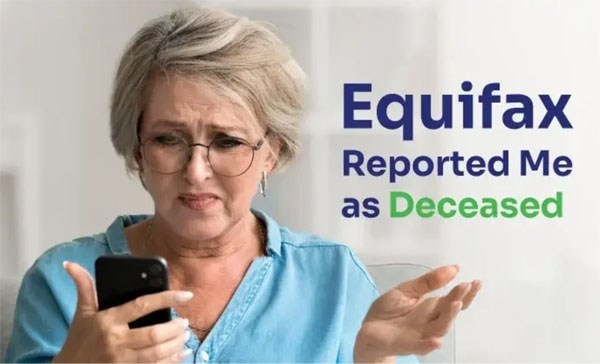
Imagine opening your bank app only to find your accounts frozen. You call customer service, and after some fumbling, they say the unthinkable: “Our system shows you’re deceased.” That’s exactly what happened to people who were mistakenly reported as deceased by Equifax. And if you think that sounds like a rare glitch, think again. This unsettling error happens more often than you’d believe, and it can unravel your financial life in a matter of days.
If you’ve landed here because you’ve been mistakenly reported as deceased by Equifax – but you’re very much alive, you’re not out of options.
Let’s talk about what’s going on, why it’s happening, and how you can start digging your way out of this absurd but very real identity crisis.
What Does It Mean When Equifax Says You’re Deceased?
To put it plainly, Equifax may have placed a “deceased” remark, or “death indicator,” on your credit file. This flag is supposed to show up only when a valid source, like the Social Security Administration, reports a death. But in some cases, Equifax gets it wrong. It could be the result of a typo, mixed-up identity, or even a system error.
And when it happens, your credit file basically vanishes from the living world. No new accounts can be opened, no loans approved, and no regular banking activities can take place. It’s as if someone changed the locks on your financial future.
How Do People Find Out?
Most people discover they’ve been marked as deceased in the most inconvenient way possible, when they try to do something routine like apply for a mortgage, rent an apartment, or set up a new credit card. Some have had job offers rescinded after a background check flagged their credit file as inactive due to a “death notice.”
If Equifax has mistakenly added this status to your credit report, you’ll usually be notified by lenders who pull your credit. They may tell you they couldn’t access your file at all, or that your Social Security number is linked to someone who’s deceased. Confusing, right? It can take multiple phone calls and a lot of documentation just to prove you’re alive.
How Did This Happen in the First Place?
You might think something this serious would require official government confirmation. But no – sometimes it’s just a bad data transfer. One of the most common ways this error happens is when someone else with a similar name or Social Security number passes away. The system matches that death to your identity by mistake.
Other times, the error can occur during routine updates when information from banks, insurers, or other credit agencies is shared with Equifax. A small slip-up in coding or a mislabel in data formatting can suddenly flag a living person as deceased.
This isn’t just a freak accident. It’s a sign of cracks in the automated systems that manage your most sensitive personal data.
What Happens When You’re Marked “Deceased”?
When Equifax thinks you’ve died, they freeze your credit file. That means:
- You can’t apply for loans, credit cards, or financing.
- Your existing creditors may freeze or close accounts.
- You’ll be unable to verify your identity for things like renting an apartment or getting a job.
In short, your hard earned credit becomes useless. You may even have issues accessing your bank, utilities, or insurance policies.
To make matters worse, this kind of error often spreads. The other major credit bureaus, Experian and TransUnion – might adopt the same deceased flag if they receive shared data. That’s why acting quickly and thoroughly is key.
Proving You’re Alive
This might sound ridiculous, but the first step in correcting this error is literally proving that you’re not dead. You’ll need to contact Equifax and request a correction of the erroneous deceased status. Be prepared to submit a government-issued ID (like a driver’s license or passport), a copy of your Social Security card, and a written statement declaring you’re alive and requesting correction of your credit report.
Make sure to send everything via certified mail and request a return receipt. That gives you a paper trail if you need to escalate the issue later.
Can You Handle It Alone?
Yes, technically you can. The law gives you the right to dispute inaccuracies in your credit file, including a false deceased marker. But let’s not sugarcoat it – this can be a long, emotionally exhausting process. You may run into bureaucratic roadblocks, unresponsive reps, or agencies that keep bouncing the blame around. Not to mention the time you’ll spend fixing an issue you were never responsible for.
So while you can start the process yourself, it’s often much more effective to consult a lawyer who focuses on credit reporting issues. They can communicate with Equifax on your behalf, escalate the matter quickly, and file a legal claim if needed. Some consumers have even won compensation for the harm done by being mistakenly declared dead.
Here’s What You Should Do, Step-by-Step
- Request your full credit report from Equifax, TransUnion, and Experian.
- Confirm whether all bureaus show the “deceased” flag or just Equifax.
- Write a formal dispute to Equifax, including ID, your Social Security card, and a signed statement of correction.
- Send it via certified mail with a return receipt requested.
- Follow up after 30 days. If they haven’t corrected it or haven’t responded, it’s time to contact a consumer attorney.
Don’t wait too long because errors like these can spread across databases quickly, and the longer they go uncorrected, the harder they can be to fix.
Common Consequences of Being “Deceased”
This error isn’t just annoying. It can be life-altering. Here are two major consequences people often face:
- Financial Fallout: Being locked out of your accounts can lead to missed payments, declined applications, or even repossession of financed property.
- Emotional Stress: Many people describe the experience as surreal, frustrating, and sometimes even humiliating. Imagine having to prove you’re alive to strangers over and over again.
No one should have to deal with the absurdity of “resurrecting” their identity, especially when it wasn’t their mistake to begin with.
What If Equifax Doesn’t Fix It?
Unfortunately, not all disputes go smoothly. If Equifax refuses to correct the error or delays beyond the allowed timeframe, you may have legal grounds to file a lawsuit under the Fair Credit Reporting Act (FCRA). This law is meant to protect you from exactly this kind of situation where false or misleading information damages your reputation and financial standing.
You could be eligible for compensation related to lost credit opportunities, emotional distress, and time and expenses related to correcting the issue.
A qualified attorney can help you assess your case, gather evidence, and take the next steps if Equifax doesn’t resolve the matter appropriately.
You’re Alive And You Deserve to Be Treated That Way!
It’s shocking, frustrating, and sometimes even a little darkly humorous to find out a major credit bureau has declared you dead. But make no mistake, this is a serious issue. You have the right to be accurately represented in the systems that affect your financial life.
If you’ve been mistakenly reported as deceased by Equifax, don’t let the situation drag on. Take immediate steps to correct the error, and don’t hesitate to bring in legal help if the process stalls. You’re alive and your credit report should reflect that.















