
Breaking Down the Most Popular NFL Positions: Who Really Runs the Game?
By Space Coast Daily // October 30, 2025
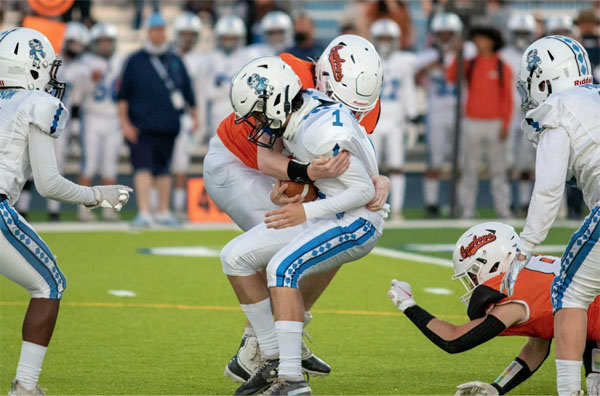
If you have ever sat down to watch an NFL game and wondered, “Who’s really running the show out there?” you are not alone. Sure, the quarterback usually gets the credit, but football isn’t a one-man show. Every position plays a role in keeping the gears turning, from the players who score touchdowns to those quietly protecting them. Now, let’s take a closer look and see which of these positions really runs the game-and which ones deserve way more love than they receive.
The Quarterback: The Star of the Show
Well, let’s start with the obvious: a quarterback is the leader of the team, the play caller, and sometimes even the unofficial face of the franchise. They touch the ball on nearly every offensive play, make split-second decisions, and often carry the weight of wins and losses on their shoulders.
But it’s not just about throwing perfect spirals. The best QBs command the field, read defenses like chess masters, and inspire confidence in everyone around them. They are the CEO, since they might not do every task themselves, but nothing happens without their say.
Yet, even a superstar QB can’t shine without the rest of the team, which is where things get interesting.
The Wide Receiver: The Highlight Reel Maker
Wide receivers bring the fireworks. They are fast, flashy, and usually the ones that fans remember long after the game is over; from one-handed catches to 80-yard runs, WRs are built for the spotlight.
Their job? Create separation, run precise routes, and make their quarterback look good. And in today’s NFL, where offenses rely heavily on passing, wide receivers have become more valuable—and more visible—than ever.
A QB-WR connection is like a perfectly rehearsed duet. When it works, it’s beautiful. When it doesn’t… well, let’s just say fans notice.
The Running Back: Unsung Playmaker
Running backs are the engines of balance to any offense. They grind out tough yards, keep defenses honest, and open up passing lanes for the quarterback. But modern football has changed that. It is no longer about running the ball; it is about versatility.
Many running backs now catch passes, line up in the slot, and even act like extra receivers. In fact, some players are so skilled that they could easily swap positions. According to a recent look at NFL running backs who could have been wide receivers, today’s backs are blurring the lines between traditional roles. It’s proof that football’s most physical position can also be one of the most dynamic.
Sure, they don’t always get the headlines, but when a running back controls the clock or breaks free for a 60-yard touchdown, you realize how important they truly are.
The Unsung Heroes You Never See: The Offensive Line
You might not know their names, but offensive linemen (OLs) are the reason stars can shine. They’re the ones blocking massive defenders, creating holes for runners, and protecting quarterbacks long enough for that perfect throw.
They don’t get flashy stats or TV interviews, but without them, no play works. It’s like a rock band—no one cheers for the drummer as loudly as the lead singer, but without that steady beat, everything falls apart.
The Defense: The Game Changers
And let’s not forget the other side of the ball. Defensive players can flip momentum in a split second, especially edge rushers, linebackers, and cornerbacks. One sack or interception can change the whole tone of a game.
So… Who Really Runs the Game?
If we’re talking about fame, it’s the quarterback. But if we’re talking about influence? That’s up for debate. Every position’s got a role that “runs the game” in their own way: QBs lead, WRs electrify, RBs balance, OLs protect, and defenders disrupt.
Football is not built around one superstar; it’s built on harmony and teamwork. And that is what makes it so addictive: every play reminds you that the beauty of this game is in how those roles intertwine. Want to settle the debate yourself? Next Sunday, pick a position to focus on for an entire game. Watch what they do on every play—not just when they touch the ball. You might walk away realizing that the real game-changers aren’t always the ones holding it.














