
Top 10 Must-Visit Middle East Attractions
By Space Coast Daily // October 1, 2025
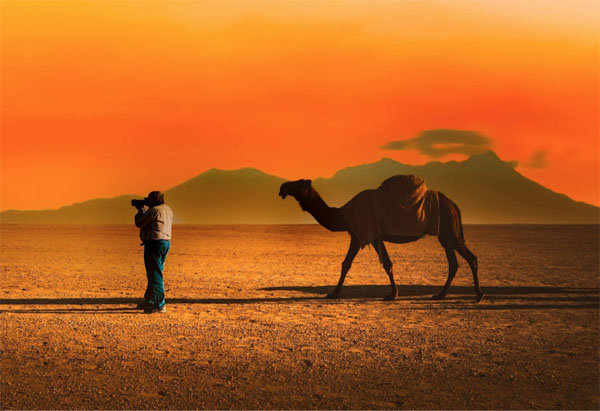
The Middle East possesses one of the most renowned landmarks in the world. It has over 60 UNESCO World Heritage Sites in countries such as Turkey (a transcontinental country with parts in both Asia and Europe), Saudi Arabia, Egypt, Jordan, and Oman.
Here, history meets the modern world. Travelers experience the Pyramids of Giza, discover Petra, or enjoy hot air ballooning in Cappadocia. Contemporary cities, such as Dubai, present record-breaking buildings and luxurious amenities, blending tradition with a modern flair.
That being said, here is the list of the top 10 attractions every traveler must see, including practical information to help plan a visit.
10 Most Attractive Middle East Destinations
The Middle East offers an insight into the diverse cultures, histories, and architectures of the region. These are the ten attractions that any first-time visitor should not ignore.
1. Hagia Sophia and Blue Mosque (Turkey)
The Hagia Sophia is a 1,500-year-old architectural structure situated in Istanbul, Turkey, a country that bridges both Europe and Asia, making it a unique destination among those in the Middle East. It serves as a testament to its past, having once been a church and then a mosque, and is now a mosque again. Very close to it, the Blue Mosque is renowned for its six minarets and blue tiles, which create a spectacular interior. They are collectively referred to as the core of the historic peninsula of Istanbul.
2. Cappadocia (Turkey)
Cappadocia is also renowned for its distinctive fairy chimneys and cave houses. A hot air balloon at sunrise is the best way to view the landscape, a bucket-list experience. Several tourists also plan to stay in cave hotels to enjoy the unique experience. Many visitors explore these highlights through tailored Turkey travel packages, which make it easier to cover the city’s most iconic spots in one trip.
3. Ephesus (Turkey)
Ephesus stands out as a remarkably preserved Roman city. Highlights include the Library of Celsus, the Great Theatre, and the Temple of Artemis, one of the Seven Wonders of the Ancient World. When tourists visit this place, walking its marble streets provides a glimpse into ancient life almost 2,000 years ago.
4. AlUla & Hegra (Saudi Arabia)
AlUla, a desert region characterized by sandstone cliffs, is home to Hegra, Saudi Arabia’s first UNESCO World Heritage Site. Today, it is not only a historical site but also part of Saudi Arabia’s growing tourism scene. Many Saudi Arabia tours now include Hegra, desert adventures, and cultural experiences to make the journey adventurous and memorable. AlUla now also hosts art exhibitions and music festivals, contributing to Saudi Arabia’s cultural revival.
5. Petra (Jordan)
Petra reveals more than just the Treasury, covering an area of 264 square kilometers, much of which remains unexcavated. A walk through the Siq canyon builds anticipation, culminating in glimpses of the rose-hued landmark. For those wishing to avoid crowds, consider heading up to the Monastery for equally impressive views and a more serene experience.
6. Pyramids of Giza (Egypt)
The Great Pyramid, constructed with over 2 million limestone blocks, once stood 146 meters tall, making it the tallest man-made structure in history. Nearby, the Great Sphinx, carved from a single limestone ridge, remains enigmatic, especially with its missing nose and debated origins.
7. Luxor (Egypt)
Luxor hosts a third of the world’s ancient monuments. The Karnak Temple complex alone covers more than 100 hectares, built over 2,000 years by succeeding pharaohs. Tombs in the Valley of the Kings extend over 100 meters underground, adorned with vibrant hieroglyphics that have been preserved for thousands of years.
8. Burj Khalifa (UAE)
The tallest building in the world to date is the Burj Khalifa in Dubai, which stands 828 meters above ground level. Tourists have the opportunity to ascend to the 124th and 148th floors for a view of the city and the desert. The tower is surrounded by the Dubai Mall and the Dubai Fountain, making it a hub of current attractions.
9. Wadi Rum (Jordan)
Wadi Rum, also known as the Valley of the Moon, is a vast desert region characterized by towering cliffs. Some movies, such as Lawrence of Arabia and The Martian, have been shot against this backdrop. Tourists have the opportunity to go on jeep trips, take a camel ride, or camp out under the stars in Bedouin tents.
10. Sultan Qaboos Grand Mosque (Oman)
This mosque ranks among the finest in the Gulf region and is located in Muscat city. It has a grand prayer hall, a hand-woven Persian carpet, and a splendid chandelier. A visitor to Oman, who is a non-Muslim, can visit during specific hours and gain insight into the architecture and Islamic traditions.
Practical Travel Tips
Planning ahead for travel in the Middle East helps ensure a smooth, low-risk trip. These essential tips are valuable for first-time visitors.
1. Visas
Visa requirements differ by country. Turkey, Egypt, Saudi Arabia, the UAE, and Oman offer online visas for many nationalities, while Jordan provides visas on arrival for most tourists. Always check official government websites for the most up-to-date visa information before traveling.
2. Dress Code
There are varying dress conventions in the region. In Dubai, Jordan, and Turkey, modest, casual clothing is suitable for daily wear. However, when visiting a mosque, please cover your shoulders and knees. In Saudi Arabia and Oman, dress conservatively: women should wear loose, modest clothing, and in Saudi religious sites, cover their heads. In conservative cities, men are also advised not to wear shorts.
3. Safety
The majority of tourist destinations are safe, but always be alert to your surroundings. Use only registered cabs or trusted ride apps, avoid isolated locations after dark, and secure your valuables in your lodging or use a hotel safe. When traveling in deserts, hire a local guide who is familiar with the area. Before your trip, check your government’s latest travel advisory for your destination.
4. Best Time to Visit
There is mild weather in spring (March to May) and fall (September to November) throughout much of the area. Summers are very hot, and even in Saudi Arabia, Egypt, and the UAE, the temperatures tend to surpass 40 °C (104 °F). In Gulf countries and southern Turkey, winter is much pleasant, but it can be quite cold in the North.
Conclusion
The Middle East is a region of contrasts, featuring ancient places, holy sites, modern cities, and vast deserts. Starting with the Pyramids of Giza and Petra, and including the Hagia Sophia in Istanbul and the Burj Khalifa in Dubai, each highlight narrates a story that has defined the world’s history. So, pack your bags and start planning for your trip to make the journey a lifelong memory.














