A Beginner’s Guide to Choosing the Right Pickleball Paddle for Active Florida Lifestyles
By Space Coast Daily // December 16, 2025
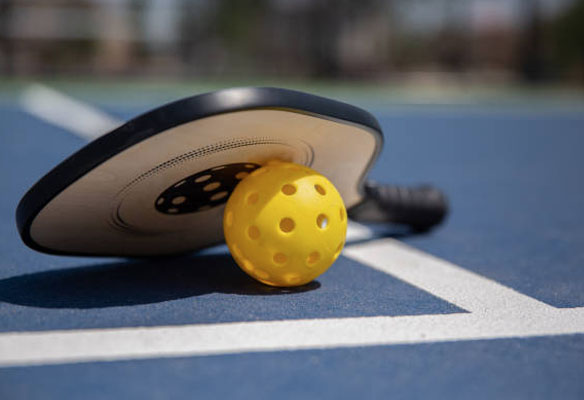
There is outdoor living, and then there is Florida. From sunrise matches on community courts to lively games at beachside resorts, it’s no wonder pickleball has become one of the state’s fastest-growing sports.
From the parks that have repurposed derelict tennis courts, to retirement communities that organize their own leagues, to families drawn to its low-stakes nature, pickleball has become a staple of Florida’s recreational culture.
For beginners who are itching to get in on the action, getting a handle on the fundamentals of equipment — and picking out a great paddle — can lead you to have more fun with the game and allow novices to feel comfortable while playing.
There are so many paddles for pickleball on the market now – what exactly matters, though?
The Basics of Pickleball Paddles
Before we delve into Florida considerations, let’s start with the basics. Pickleball paddles are typically constructed with one of three different materials, each providing a unique feel and performance advantages.
Polymer (Plastic) Core:
Usually mild for newbies, polymer paddles are resistant, quiet and have a soft touch. They’re forgiving, which allows new players to control the ball without being overwhelmed by power.
Graphite Surface:
Quick response and excellent control with graphite paddles. They are lightweight and popular with advanced players who seek the speed of a feather without feeling the added strain.
Composite Designs:
Composite paddles blend materials like fiberglass and/or carbon fiber with a polymer core. They’re the perfect combination of control and power that allows players who are looking to work on their game to hit every kind of shot.
Weight is also a big factor:
- Light paddles offer more control and are easier on the wrist, but players also have to generate more of their own power.
- Midweight paddles (the most common type) are a compromise between power and control.
- Heavy paddles have more power, but can lead to arm fatigue for some players.
Lastly, grip size affects comfort. A grip that is too large can place additional strain on the wrist, and one that is too small may cause overgripping and reduced accuracy.
The Impact of Florida’s Climate on the Paddle You Choose
Sure, Florida has beautiful weather — but it takes a toll on gear. Heat, intense sunlight, humidity and salty coastal air all affect the way pickleball paddles play and how long they hold up.
Heat & Humidity:
In heat, paddles can feel heavier, and grips can get slick. In Florida, players have a preference for moisture-wicking grips or overgrips that won’t slip in sweaty palms.
Coastal Durability:
Salt air can slowly erode some materials, particularly around Florida’s Atlantic and Gulf coasts. Some composite or graphite paddles are better suited to these elements than raw wood or poor plastics.
Maintenance Considerations:
Keep paddles out of direct sunlight or inside insulated covers to prevent warping and material deterioration. Allowing gear to bake in a hot car — especially beneath the Florida sun — can shorten its life cycle quite dramatically.
Finding the right paddle is not just about performance; it’s ultimately about choosing something that will stand up to conditions in the state, which has its own unique paddling environment.
How to Choose a Paddle That Is Best for You
In Miami, Tampa, Orlando or out in The Villages and ready to hit the courts? Play style should dictate paddle preference.
Control Players:
If you like to play with softer shots, rely on strategy and prefer a slower pace, lightweight or midweight options will give you the finesse factor you want, equipped with softer cores.
Power Players:
People who like to hit the ball hard, or play aggressively at the net, typically prefer weightier paddles or stiffer surfaces (like graphite or fiberglass) to help them generate more pop.
Beginners:
Newbies usually do best with midweight paddles that are easy to wield and forgiving on your slips. Polycore polymer cores for a soft feel without losing control.
Intermediate Players:
As players master their strokes, some development programs may introduce different materials or a size of grip to match their spin, volley speed, and even power in serves.
Recreational vs Competitive Play:
Recreational players generally like all-around paddles that value comfort. Some competitive players may opt for paddles with a textured surface to add spin, or PIDs made of specially-engineered materials that are designed for the ultimate in accuracy and feel.
Having goals makes it easier to sift through the many, many options — and there are a lot of them for beginners.
Safety & Injury Prevention Tips for Florida Players
Pickleball is low-impact, but Florida’s climate comes with conditions that players — especially older ones — need to keep in mind.
Proper Grip to Reduce Strain:
Large and comfortable handle to hold reduces the risk of wrist and elbow injuries. Overgrips can additionally absorb sweat for better hand-to-racquet stability, which can be especially important during long matches and in hot weather.
Warm-Ups Matter:
Plenty of Florida players are retirees or adults who are coming back to regular fitness. A short warm-up regimen will help to loosen muscles and may reduce the risk of strain as rallies are extended.
Sun & Hydration Safety:
Florida heat is no joke. Staying well-hydrated — before, during and after matches — is key. Hats, sunglasses, cool clothing and sunscreen keep the players from tiring out or worse, passing out at midday games.
However, with a little preparation, even new players can play it without worries.
Conclusion
Pickleball continues to be popular in Florida — and finding the right paddle can make the game even more fun. Whether you’re playing in a local park, at a resort court or at your community center, these paddles are inexpensive choices recommended by pickleball pros.
The warm weather and active outdoor culture in the state are conducive to virtually anyone joining in on the fun, meeting new people and staying healthy.
Once you know a bit about the materials, weight, playing style and weather elements that factor into buying decisions, new players can identify the best pickleball paddles to find the ones that allow them to play for years.
Florida’s courts are waiting — and there’s no better time to get out and play.