The Rise of Digital Marketing in the Precious Metals Industry
By Space Coast Daily // January 20, 2026
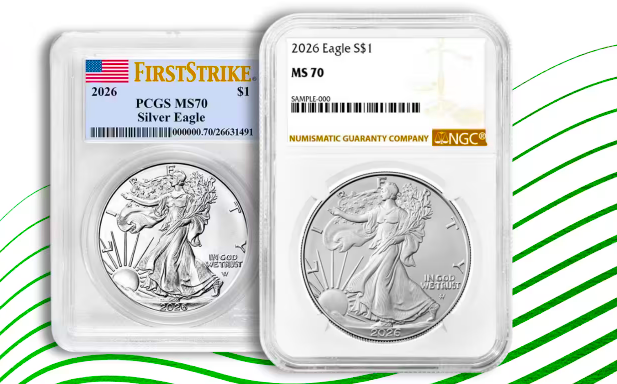
For decades, the precious metals industry thrived on tradition. Gold and silver were sold through brokers, coin shops, catalogues, and word-of-mouth trust built over generations. Marketing was conservative, offline, and deliberately understated.
That era is over.
Today, digital marketing is reshaping how precious metals are discovered, researched, bought, and even trusted. From SEO-driven bullion sites to YouTube analysts and Instagram gold stacks, the industry has quietly undergone a digital transformation—and it’s accelerating fast according to gold coin website Goldeneaglecoin.com.
Why Precious Metals Had to Go Digital
The global investor profile has changed. Modern buyers are younger, more research-driven, and far less loyal to traditional intermediaries. They expect:
- Transparent pricing
- Instant market data
- Educational content
- Online purchasing
- Secure, frictionless checkout
At the same time, economic uncertainty, inflation fears, geopolitical tension, and distrust of fiat currencies have driven new waves of interest in gold and silver. When demand rises, attention moves online—and that’s where digital marketing becomes unavoidable.
If you’re not visible on Google, YouTube, or social media, you effectively don’t exist to the next generation of investors.
SEO: The Foundation of Precious Metals Marketing
Search engine optimisation has become the backbone of digital growth in the precious metals space.
Investors search for terms like:
- “Is gold a good investment?”
- “Buy silver bullion online”
- “Gold vs silver hedge against inflation”
- “Best gold coins to buy”
Ranking for these keywords isn’t just about traffic—it’s about trust. A well-optimised website signals authority, legitimacy, and scale.
Successful precious metals brands now invest heavily in:
- Long-form educational content
- Market commentary and price analysis
- Buyer guides and FAQs
- Technical SEO for fast, secure performance and a good SEO outreach team
In a high-value industry where trust is everything, organic visibility often converts better than paid ads.
Content Marketing: Education Sells More Than Hype
Unlike impulse-driven consumer products, precious metals require education. Buyers want to understand why they should invest before they click “buy.”
That’s where content marketing shines.
Leading brands publish:
- Weekly gold and silver market updates
- Inflation and macroeconomic explainers
- Storage and custody guides
- Beginner-friendly investment breakdowns
This positions the seller not as a salesperson, but as a guide. Over time, consistent content builds authority—and authority builds conversions.
In many cases, content is the sales funnel.
YouTube, Podcasts, and the Rise of the Metal Influencer
Video has become one of the most powerful drivers of precious metals demand.
YouTube channels dedicated to:
- Gold price predictions
- Silver supply shortages
- Central bank activity
- Economic collapse scenarios
…regularly attract hundreds of thousands of viewers.
These creators influence buying decisions directly. A single bullish video can trigger a surge in silver coin sales overnight.
Podcasts play a similar role, offering long-form discussions on monetary policy, inflation, and wealth preservation—perfectly aligned with precious metals narratives.
Smart brands collaborate with these creators or build their own in-house media channels.
Social Media: From “Boring” to Aspirational
Once considered too conservative for platforms like Instagram or X, precious metals have found a surprisingly strong visual and cultural identity online.
Popular content includes:
- Gold and silver “stack” photos
- Vault storage imagery
- Behind-the-scenes minting content
- Market reaction memes during economic shocks
Social platforms humanise what was once a faceless industry. They also allow brands to communicate during volatile moments—rate hikes, bank failures, inflation data releases—in real time.
The result? Faster trust-building and stronger brand loyalty.
Paid Media (With Care)
Advertising precious metals online isn’t easy. Many platforms impose restrictions, compliance checks, or outright bans.
However, where allowed, digital ads can be highly effective—especially when combined with educational landing pages rather than hard sells.
Successful campaigns focus on:
- Lead magnets (guides, reports, alerts)
- Retargeting existing visitors
- Email list growth rather than immediate sales
Email marketing, in particular, remains one of the highest-converting channels in the industry.
Trust Signals Matter More Than Ever
Digital marketing has lowered the barrier to entry—but it has also increased competition and fraud risk. As a result, trust signals are non-negotiable.
Modern precious metals websites prominently display:
- Transparent pricing and spreads
- Secure checkout and storage credentials
- Reviews and third-party ratings
- Educational credentials and media mentions
Digital marketing doesn’t replace trust—it amplifies it.
Data, Analytics, and Smarter Decisions
Unlike traditional sales channels, digital marketing provides data.
Brands can now track:
- Which metals perform best in different economic cycles
- Which content converts hesitant buyers
- Which traffic sources produce high-value customers
This allows for smarter inventory planning, pricing strategies, and campaign timing—giving digitally mature companies a serious edge.
The Future of Precious Metals Marketing
The industry is no longer “old money meets old methods.”
AI-driven content, automated email sequences, advanced attribution, and omnichannel strategies are becoming standard. As younger investors enter the market, expectations will continue to rise.
The brands that win won’t just sell gold and silver—they’ll educate, communicate, and build digital authority at scale.
Final Thoughts
The rise of digital marketing in the precious metals industry isn’t a trend—it’s a structural shift.
What was once a conservative, offline sector is now competing in the same digital arena as fintech, crypto, and online investing platforms. Those who adapt gain reach, trust, and growth. Those who don’t risk being invisible.
In a world where attention moves faster than gold prices, digital marketing has become as valuable as the metals themselves.