Why Prosecutors May Proceed Without a Victim’s Cooperation
By Space Coast Daily // February 25, 2026
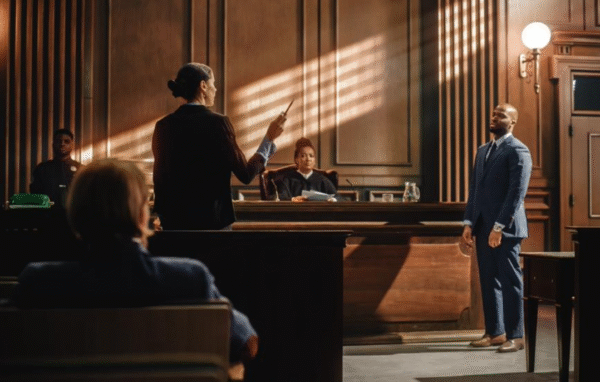
In the United States, many people assume that criminal cases move forward only if the victim is willing to testify. However, prosecutors have the authority to pursue charges even when a victim refuses to cooperate. Understanding why this happens can help defendants, victims, and families better navigate the criminal justice system.
Prosecutors represent the government, not individual victims, and their primary duty is to enforce the law. Once law enforcement files charges, the case becomes a matter between the state and the accused, even in situations where someone is prosecuted for domestic violence despite the victim’s reluctance to participate.
The Role of the Prosecutor in Criminal Cases
In most states, criminal cases are brought in the name of “The State” or “The People,” not the victim. For example, in California, cases are filed by the California Department of Justice on behalf of the public. This structure reflects the idea that crimes harm society as a whole, not just one individual.
Local prosecutors, often called district attorneys, decide whether to file or continue charges. Offices such as the Los Angeles County District Attorney’s Office evaluate evidence independently of a victim’s preferences. Their goal is to determine whether sufficient evidence exists to prove guilt beyond a reasonable doubt.
Public Safety Concerns
One major reason prosecutors proceed without cooperation is public safety. If an accused person poses a continued risk, dropping charges could endanger others. This is particularly common in domestic violence, assault, and weapons cases.
Federal prosecutors under the U.S. Department of Justice also prioritize community protection. They may pursue cases even if a victim becomes reluctant due to fear or pressure. The broader goal is to prevent repeat offenses and deter future criminal behavior.
Evidence Beyond Victim Testimony
Another key factor is the availability of independent evidence. Police body camera footage, surveillance video, medical records, and witness statements can strengthen a case. When sufficient evidence exists, prosecutors may not need direct testimony from the victim.
For example, 911 recordings and responding officer observations can be powerful evidence. In some cases, statements made at the scene may be admissible under exceptions to hearsay rules. This allows prosecutors to build a case even if the victim later declines to appear in court.
Preventing Witness Intimidation
Victims sometimes withdraw cooperation due to intimidation, manipulation, or fear of retaliation. Prosecutors are aware that defendants may pressure victims to drop charges. Proceeding without cooperation can prevent the justice system from being undermined.
Many states have “evidence-based prosecution” strategies in domestic violence cases. These approaches rely on documentation and third-party evidence instead of victim testimony alone. The aim is to reduce the impact of coercion and protect vulnerable individuals.
Mandatory Prosecution Policies
Certain jurisdictions have adopted mandatory or “no-drop” policies. These policies are especially common in domestic violence situations. They limit a prosecutor’s discretion to dismiss charges solely because a victim requests it.
Supporters argue such policies reduce repeat violence and hold offenders accountable. Critics contend they may discourage victims from reporting crimes in the first place. Nonetheless, these policies remain influential across many U.S. counties.
Legal Authority and Subpoenas
Prosecutors also have the authority to issue subpoenas requiring witnesses to appear in court. If a victim ignores a subpoena, a judge may enforce compliance. In rare cases, failure to appear can result in legal consequences.
However, many offices weigh the emotional toll on victims before taking aggressive action. Balancing compassion with public responsibility is a constant challenge. The ultimate decision depends on the strength of the case and community interests.
Victim Rights and Support
Even when a case proceeds without cooperation, victims retain important rights. Many states provide constitutional protections through victims’ rights amendments. Organizations like the National Crime Victim Law Institute advocate for fairness and participation in proceedings.
Victims may have the right to be informed, present, and heard at critical stages. They can also seek protective orders and victim compensation programs. These safeguards aim to ensure dignity and safety throughout the legal process.
Conclusion
Prosecutors may proceed without a victim’s cooperation for several important reasons. Their responsibility extends beyond individual preferences to the safety and welfare of the public. When sufficient evidence exists, the case can move forward regardless of a victim’s stance.
Understanding this process clarifies why criminal charges are not easily withdrawn. The justice system is designed to balance accountability, fairness, and community protection. Recognizing the broader legal framework helps explain why prosecutors sometimes act independently of victims’ wishes.
Key Takeaways
- Prosecutors represent the state, not the individual victim.
- Public safety concerns often justify continuing a case without cooperation.
- Independent evidence can replace or reduce the need for victim testimony.
- Mandatory “no-drop” policies may limit case dismissals in domestic violence matters.
- Victims still retain legal rights and access to support services.