WATCH: Cygnus Cargo Spacecraft Set to Depart ISS March 12 After Delivering More Than 11,000 Pounds of Supplies
By Space Coast Daily // March 6, 2026
Northrop Grumman’s cargo vehicle will depart the International Space Station before burning up in Earth’s atmosphere with several thousand pounds of station trash.
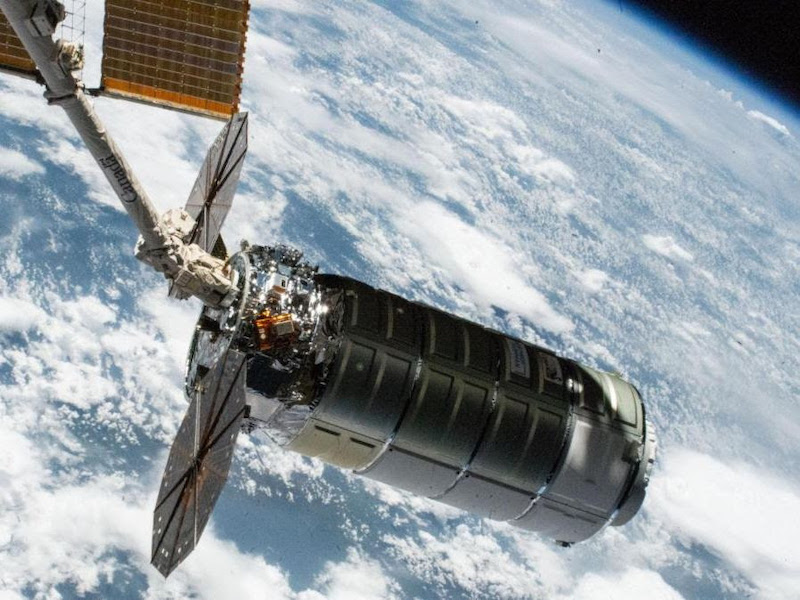
INTERNATIONAL SPACE STATION – A cargo spacecraft that delivered critical supplies and scientific equipment to the International Space Station (ISS) is preparing to leave the orbiting laboratory after completing its resupply mission.
Cygnus XL, operated by Northrop Grumman, is scheduled to depart the ISS on Thursday, March 12, following the successful delivery of more than 11,000 pounds of science investigations, hardware, crew supplies, and other cargo supporting astronauts aboard the station.
The spacecraft arrived at the station in September 2025 as part of Commercial Resupply Services‑23, one of a series of missions under NASA’s commercial resupply program that relies on private industry to deliver essential materials to astronauts living and working in orbit.
Live coverage of departure: Watch NASA’s live coverage of undocking and departure beginning at 6:45 a.m. EDT on NASA+, Amazon Prime, and the agency’s YouTube channel.
During the operation, flight controllers on the ground will command the station’s robotic arm, Canadarm2, to detach Cygnus from the Earth-facing port of the Unity module. The arm will maneuver the spacecraft into position before releasing it at approximately 7 a.m. EDT.
Sophie Adenot of the European Space Agency will monitor Cygnus’ onboard systems as it moves away from the station.
After departing the ISS, Cygnus will remain in orbit for several days before mission controllers command it to deorbit on Saturday, March 14. The spacecraft will intentionally reenter Earth’s atmosphere carrying several thousand pounds of station trash and discarded equipment.
During reentry, the spacecraft will burn up harmlessly in the atmosphere, a routine disposal method used for uncrewed cargo vehicles that serve the station.
The mission marked a milestone for the Cygnus program. The spacecraft launched in September 2025 aboard a SpaceX Falcon 9 from Cape Canaveral Space Force Station at Space Launch Complex 40 in Florida.
According to NASA, the flight was the first mission using a larger, upgraded version of the solar-powered Cygnus spacecraft capable of carrying significantly more cargo to the space station.
Cargo missions like this one help sustain the station’s long-duration crews by delivering experiments, replacement hardware, food, and other supplies needed for research and daily operations in microgravity.
NASA’s Commercial Resupply Services program partners with private aerospace companies to maintain a steady flow of materials to the ISS, ensuring astronauts can continue conducting scientific research and technology demonstrations that support future missions deeper into space.