Why Commercial Property Maintenance Costs Keep Climbing
By Space Coast Daily // March 20, 2026
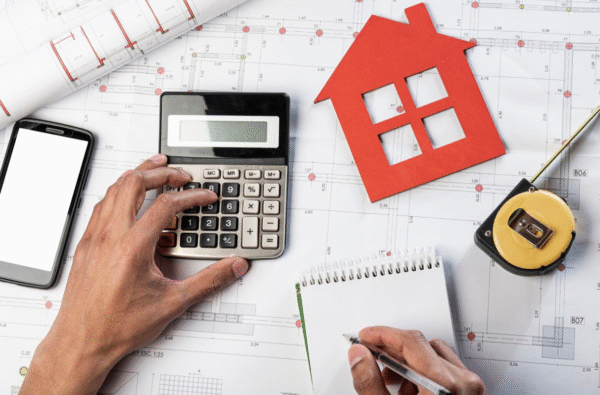
Commercial property owners are facing a steady rise in maintenance costs, with little sign of relief. According to Buildium’s latest industry report, maintenance expenses have increased for 93% of property management companies over the past year. The reasons are straightforward. Labor costs have increased significantly over the past five years, material prices remain well above pre-pandemic levels, and insurance premiums continue to climb.
For property managers watching operating budgets tighten, the question is no longer whether costs will rise; it is how to protect net operating income when every line item is moving in the wrong direction. Industry data reveals that CAM charges have surged 12-18% nationally between 2023 and 2026, and the pressure shows no sign of easing in 2026.
Not every dollar driving costs higher is beyond control. Understanding which forces are market-driven and which are operational determines who survives these cost pressures and who gets overwhelmed by them.
Labor Shortages Are Driving Up Costs
According to maintenance cost analysis data, 94% of contractors report difficulty filling open positions, creating wage pressure that exceeds general inflation. Skilled trades command premium rates because demand vastly outpaces supply.
Construction labor costs have risen over 20% in five years. Contractors raise rates to attract talent from competitors. Property managers face annual rate increases of 8% to 12%, regardless of general economic conditions.
The shortage is demographic. Baby boomers retiring from skilled trades are not being replaced at sufficient rates. Trade schools cannot graduate technicians fast enough to meet demand. The result is structural labor scarcity that will persist for years.
Material Costs Remain Elevated Despite Inflation Cooling
Material prices remain 30% above pre-pandemic levels, and aggregate costs are expected to rise another 8% in 2026. HVAC equipment, roofing materials, and plumbing fixtures all cost significantly more than five years ago.
Asphalt provides a clear example. Petroleum-based pricing means oil volatility directly affects paving costs. Recent geopolitical tensions have driven crude oil from $67 to over $100 per barrel, sharply increasing asphalt pricing.
Parking lot maintenance reflects this pressure. Sealcoating costs $0.15 to $0.50 per square foot. Resurfacing runs $1 to $3 per square foot. Full repaving costs $3 to $6 per square foot for asphalt, 40% to 60% increases from pre-pandemic pricing.
Deferred Maintenance Increases Costs Over Time
Research indicates that 35% to 50% of excess maintenance spend in commercial portfolios is driven by controllable operational factors, such as reactive dispatching, vendor fragmentation, duplicate work orders, and deferred maintenance compounding. The compound effect of reactive operations means that 60%+ of work orders run 3 to 5 times the cost of planned maintenance.
Parking lot maintenance illustrates this clearly. Regular sealcoating every 2 to 3 years costs $0.15 to $0.50 per square foot and extends pavement life by 8 to 15 years. Skipping sealcoating allows oxidation and water infiltration to accelerate deterioration, forcing resurfacing at $1 to $3 per square foot within 5 to 7 years instead of 15 to 20.
Deferring resurfacing when needed leads to complete structural failure requiring full repaving at $3 to $10 per square foot. The progression from preventive maintenance to emergency replacement represents a cost multiplication of 10x to 20x.
“Property managers defer $2,000 sealcoating jobs, then face $40,000 parking lot replacements five years later,” said Denny McCowan, owner of Denny McCowan General Engineering Inc. “Asphalt deteriorates exponentially once it starts cracking. Early maintenance costs 5% of replacement. Waiting costs 100%. We see this pattern constantly, properties that skip preventive work end up spending far more on emergency reconstruction.”
The same pattern applies to other building systems. HVAC units that receive annual maintenance last 15 to 20 years. Neglected units fail at 8 to 12 years and require emergency replacement during peak summer or winter when both availability and pricing are worst. Roofs maintained through minor repairs last their full 20 to 30-year lifespan. Roofs ignored until leaks occur require premature replacement at 12 to 15 years.
The math is unforgiving: preventive maintenance costs 10% to 20% of replacement. Deferred maintenance increases that to 100% to 300% when emergency work, secondary damage, and compressed timelines compound the base repair cost.
Insurance and Compliance Costs Continue to Rise
Data shows that property insurance costs rose 11% to 15% in 2025, driven by climate risk repricing. Insurance premiums continue climbing as carriers reassess risk and penalize properties with deferred maintenance.
Building code updates turn simple repairs into compliance-driven overhauls. HVAC replacements mandate higher-efficiency units costing 20% to 40% more. Any work touching regulated systems carries an expanded compliance scope that adds cost.
What Property Managers Can Control
While labor rates and material costs are market-driven, operational factors remain within control. Preventive maintenance eliminates the 3x to 5x premium that emergency work commands.
Accurate asset condition tracking allows budgets to reflect real replacement timelines. Vendor consolidation delivers volume pricing. Energy efficiency upgrades reduce utility costs by 15% to 25%.
Commercial property maintenance costs are rising due to structural forces that will persist. Property managers cannot control market rates, but they can control how proactively they maintain assets and how efficiently they operate. The properties winning on cost control are eliminating controllable waste through preventive maintenance while distinguishing market forces from operational inefficiency.