
Build Winning Teams With Smarter Sales Skills Training
By Space Coast Daily // April 9, 2026
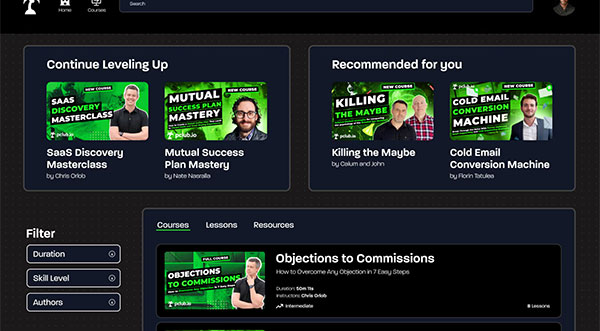
The best organizations know the worth of their salespeople. Sales are an integral part of a company’s growth. To accomplish ambitious targets and retain loyal clients, you need great sales skills. Better training methods will make an ordinary team into a high-performing unit. Learning programs that work create confident professionals who excel in competitive marketplaces. In this post, we look at how intelligent training approaches can help you build sales teams that win.
The Importance of Sales Skills
Product knowledge alone is not enough to sell. Persuasion, listening to others, and empathy are essential to earning a customer’s trust. Companies skilled at pitching create great customer experiences. Solutions become increasingly attractive when every member appreciates the needs of their clients. Assertive representatives respond to objections with empathy and can close deals with great professionalism. Sales skills training ultimately leads to more revenue and better relationships between clients and organizations.
Adapting To Change
Consumer tastes change, and new competition appears. Training programs adapt to these continuous changes. Smarter methods ensure that sales teams are always equipped with new strategies and trends within the industry. Learning opportunities help employees to adjust quickly. Teams approach new challenges with calm and ingenuity when prepared. This does not leave anybody behind as the modern training moves ahead with the markets.
Personalized Training Methods
Generic instructions often fail to address individual needs. Effective programs customize content based on each team member’s strengths and growth areas. Interactive modules, real-life scenarios, and role-playing exercises allow for practical skill development. Personalized feedback encourages steady improvement. When training considers unique learning styles, engagement increases. Employees feel valued when lessons apply directly to their roles, boosting motivation and retention.
Technology in Sales Training
Learning is now enhanced with digital resources. For teams with busy calendars, the flexibility of online modules, video tutorials, and virtual workshops is often a great fit. Technology enables staff to access available materials at any time. Simulations provide a safe way to practice skills before going in front of real customers. Tracking tools are very helpful for managers as they help them see the results and also provide support and guidance for any challenges being faced. Digital options also help minimize expenses and save precious time.
Encouraging Collaboration
Collaboration strengthens teams. Group activities, team challenges, and peer-to-peer feedback foster trust and open communication. Sharing insights and strategies helps everyone improve together. Sales professionals who support each other often deliver better results. Friendly competition can inspire higher achievement without creating tension. By learning together, teams build a sense of unity and shared purpose.
Measuring Impact
The success of training must be measured. Routine evaluations check the extent to which employees have comprehended fresh knowledge. Quizzes, observation, or performance data can help managers decide where an employee excels and where they need improvement. Continuous assessment helps ensure that training is performing as intended. Feedback from the participants also aids in conducting a better session in the future. Tracking progress means that organizations understand the strategies that yield better results.
Continuous Development
Learning does not stop after one session. There are refresher courses, mentoring programs, and knowledge sharing sessions to keep the momentum going. Promoting self-improvement establishes an environment of progress. Support from leaders motivates the team to aspire for higher goals. Frequent training sessions indicate a focus on career development.
Building Confidence and Motivation
By being well-trained, salespersons tend to have more confidence in their own skills. A person filled with confidence performs better and also enjoys the job. Motivation grows when employees recognize personal and team progress. When an accomplishment leads to recognition, it raises the morale and spirit of the task performer, motivating them to put in more effort. Optimism breeds resilience and a collaborative team spirit.
Conclusion
The road to organizational success goes through efficient sales training. Good programs adapt to shifts in the market, meet the needs of the individual, and keep up with technology changes. Success continues through collaboration, measurement, and iteration. Agile learning approaches bring better results and happier teams. Investing in smarter training aims to build sustainable client relations and business growth. Any sales team can do amazing things with the right training approach.













