
Your Guide to Disability Benefits in Texas
By Space Coast Daily // May 12, 2026
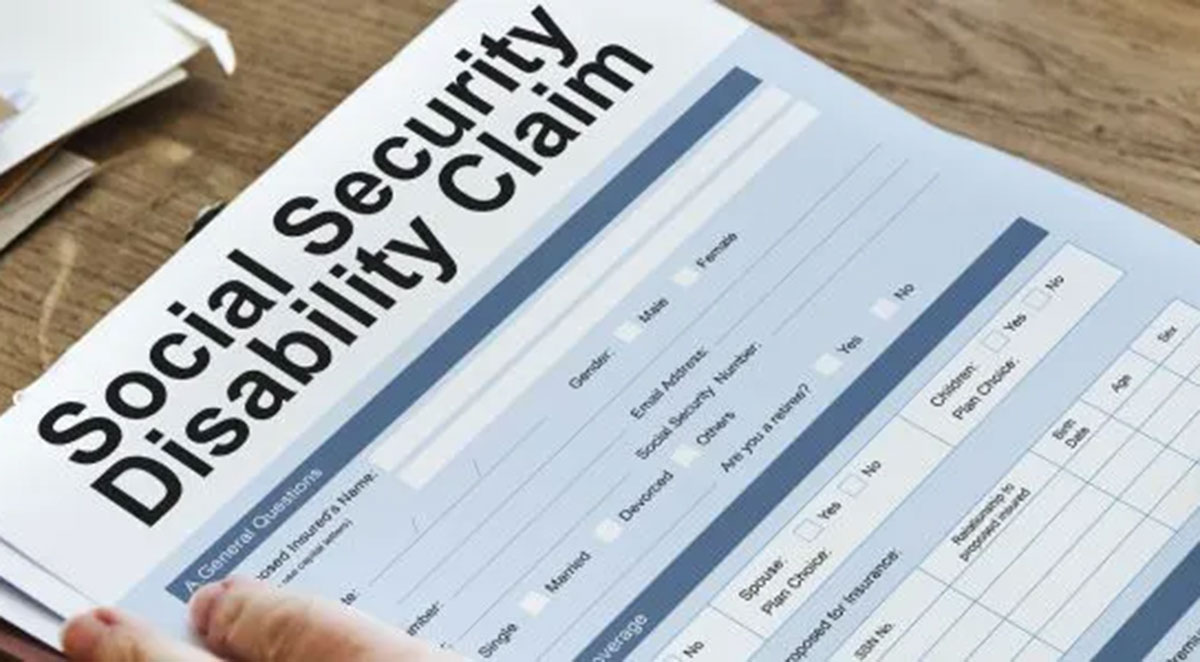
The road to getting Social Security disability benefits in North Texas rarely feels like a straight line. For most people dealing with health problems that won’t go away, the process feels less like a safety net and more like an exhausting climb up a mountain of paperwork.
It’s a journey where technical rules and fine print often swallow up the actual human struggle, which is why having someone who knows the path is so important.
Talking to a Social security disability lawyer in dallas offers more than just legal help; it’s about having a shield against the high number of denials that leave so many families feeling stuck. Professional advocacy is about taking a person’s medical history and translating it into the specific “government language” the Social Security Administration (SSA) needs to hear, without losing sight of the person behind the file.
Understanding the Local Disability Landscape
In Dallas, the process of applying for disability is shaped by the sheer number of people applying and the way our local offices handle things. Unlike some states that do everything from one big central office, Texas uses a group called Disability Determination Services (DDS) to check if a person’s medical issues meet federal rules.
This group keeps a close eye on the Texas economy. Since the government defines disability based on whether a person can earn a living, they look at whether there are jobs in the Dallas-Fort Worth area that someone could do even with their limitations.
Having an advocate who knows how our local job market affects these decisions can be the difference between a “no” and a “yes.”
Unique State Policies and Support Services
Texas has a few specific tools that work alongside federal programs to help people get back on their feet. For instance, the Texas Health and Human Services Commission runs local programs that help people with disabilities stay independent, offering things like long-term care and career support.
There’s also the Texas Workforce Commission, which helps people who might not fit the government’s strict “total disability” rule but still have a really hard time finding a job they can actually do.
Right here in Dallas, there are community programs designed to fill the gaps. DART offers specialized rides for people who can’t use the regular bus or train, making sure they can still get to the doctor. Local non-profits also step in to help with mental health and basic needs.
Navigating these local systems takes the same kind of careful eye as a federal disability claim. A good advocate doesn’t just look at the big federal case; they look at the whole picture to make sure a person is getting all the help available in their own backyard.
The Importance of Tailored Legal Advocacy
Every disability story is unique. A “one-size-fits-all” approach almost always fails because the government cares more about what a person cannot do than just the name of their illness. It isn’t enough to show a doctor’s note; a person has to prove exactly how their health stops them from working a normal job.
Real advocacy means digging deep into medical records to find the “missing links”—like a doctor’s specific note about how long someone can stand or an overlooked test result—that often cause a claim to be rejected.
Legal teams in Dallas look at the “whole person.” They consider how a person’s environment matters—like how a long career in the physically tough Texas oil fields or construction sites makes it nearly impossible for an older worker to suddenly switch to a desk job.
By explaining the specific details, advocates help judges see the real person, not just a list of symptoms. This personalized touch turns a cold folder of medical papers into a clear picture of why that person needs support.
Navigating the Appeals Process
The hard truth is that most people are turned down the first time they apply for disability. For a family waiting on that money to pay rent or buy groceries, a denial letter feels like a door slamming shut. But the appeals process is a vital second chance to fix mistakes and show new evidence.
In Dallas, waiting for a hearing can take a year or even longer. During this long wait, the most important thing anyone can do is keep seeing their doctor and keeping track of everything.
This is where a legal representative really steps in. They find the holes in the evidence and often bring in experts—like doctors or job specialists—to explain to a judge why things like chronic pain or memory issues make it impossible to hold down a steady job.
This level of preparation ensures that when a person finally gets to tell their story in court, they have everything they need to be heard clearly.
Positive Outcomes and Community Impact
When a disability claim is finally approved, the relief spreads through the whole community. It means a family can stay in their home, it takes the pressure off local emergency rooms, and it lets people spend money back into our local Dallas shops.
Good advocacy makes sure the safety net actually works for the people who paid into it through years of hard work. This kind of support makes Dallas a better place for everyone, ensuring our neighbors are treated with the dignity they deserve.
For anyone who’s not sure where to start, Kraft & Associates, Attorneys at Law, P.C. helps break things down in a simple, easy-to-understand way and gives clear answers so people can figure out what to do next.
To learn more about how to make a case stronger or what to expect at a hearing, visit this page for helpful resources and guidance designed for the North Texas community.













