
How an Electric Fence for Livestock Improves Security
By Space Coast Daily // June 28, 2026
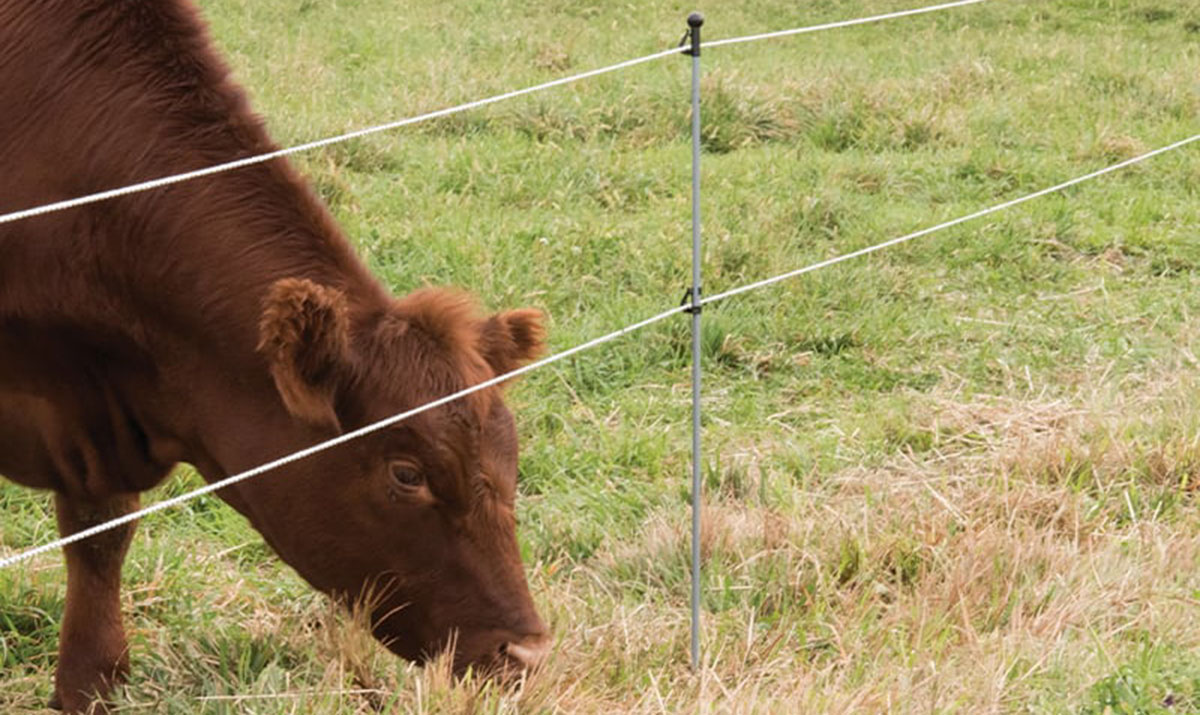
Livestock security rests on calm movement, predictable boundaries, and fewer chances for an animal or predator to test a weak edge. Once a perimeter fails, losses spread fast, from roadway danger to crop damage and stress within the herd. An electric fence strengthens control by teaching respect for the line, while also reducing repeated pressure on posts, wires, and gates. Used well, it supports steadier routines and safer daily handling.
Clear Boundaries
Animals settle faster when a boundary is both easy to see and easy to remember. On many farms, an electric fence for livestock works well because it combines a visible line with a brief corrective pulse. That pairing helps cattle, sheep, goats, and horses recognize limits before crowding begins. After basic training, most stock stop challenging the perimeter and keep a safer distance from trouble spots.
Smarter Containment
Containment improves when the fence does more than block forward movement. A charged line creates hesitation, which matters when feed, weather, or herd pressure draws animals toward a corner. Memory plays a large part here. Once a stock connects with discomfort, they usually avoid repeating the mistake. That learned response reduces leaning, bunching, and repeated impact on weak sections.
Predator Deterrence
Predators often study the lowest, darkest, or least stable section before making contact. A live strand changes that calculation at the first touch. Young animals benefit most because sudden intrusion can trigger panic, trampling, and scattered movement. Good deterrence lowers the chance of repeat visits. It also helps keep nighttime behavior calmer, which supports rest, weight maintenance, and steadier group patterns.
Less Escaping
Escapes rarely happen without warning. Many begin with rubbing, reaching, or pushing at the same point each day. An electric fence interrupts those habits early, before they turn into a learned path out of the pasture. That matters near roads, neighboring property, and planted ground. Once animals stop testing the edge, handlers spend less time recovering them and repairing preventable damage.
Safer Rotation
Pasture rotation depends on temporary divisions that hold their shape under daily use. Movable electric lines make that possible without heavy permanent construction. Fresh forage can be opened at the right time, while rested sections remain protected from overgrazing. Better control also reduces mud, crowding, and manure buildup near worn areas. In practice, security and grazing management often improve together, not separately.
Lower Labor Pressure
Fence security is strongest when inspections remain routine rather than reactive. A dependable electric setup cuts the hours spent chasing loose stock or patching the same failure twice. Workers can focus on charger output, grounding, vegetation control, and gate closure, rather than emergency recovery after dark. That shift matters because tired teams miss details. Consistent maintenance keeps the whole system more predictable.
Key Setup Points
Performance depends on grounding depth, charger strength, wire tension, and clean electrical contact. Wet grass, poor joints, or weak voltage can reduce the corrective effect and confuse training. Visual markers also matter, especially for horses and mixed groups moving at speed. Gates need the same care as long runs. A strong line loses value quickly if entry points sag, loosen, or stay open.
Choosing by Species
Each species reads a fence in its own way. Sheep and goats often seek space near the base, while cattle apply broad pressure with body weight. Horses need clear sightlines and quiet lane design since sudden contact can trigger a sharp reaction. Strand spacing should match body size, fleece depth, and behavior. Security improves when the layout reflects those physical differences.
Weather and Terrain
Ground conditions shape fence performance more than many owners expect. Dry soil can weaken grounding, while heavy growth pulls energy away from the line. Slopes create hidden gaps where smaller animals may crawl or step through. Seasonal checks help catch those changes before they lead to failure. A fence suited to local terrain stays more dependable through rain, frost, heat, and wind.
Common Mistakes
Many problems start during installation. Animals introduced to a new line under stress may rush, strike it hard, and learn the wrong lesson. Another frequent error is weak gate discipline, in which a single loose opening undermines an otherwise sound perimeter. Mismatched parts can cause trouble as well, especially if the charger output does not suit the fence length. Good results depend on a coherent system.
Conclusion
An electric fence improves livestock security by shaping behavior before pressure becomes damaging. It helps deter predators, reduces the risk of escape, and supports steadier movement across paddocks, lanes, and holding areas. The strongest results come from a correct setup, species-aware design, and routine testing through changing weather. When those pieces are in place, the perimeter becomes a reliable working tool, giving farms better control with less strain on labor and animals.













